
Sulphur knight
Tricholoma bufonium
Description
Symptoms
External signs of the fungus on the soil surface include the emergence of fruiting bodies during the autumn season. These bodies often appear in clusters or rings, which is characteristic of the genus.
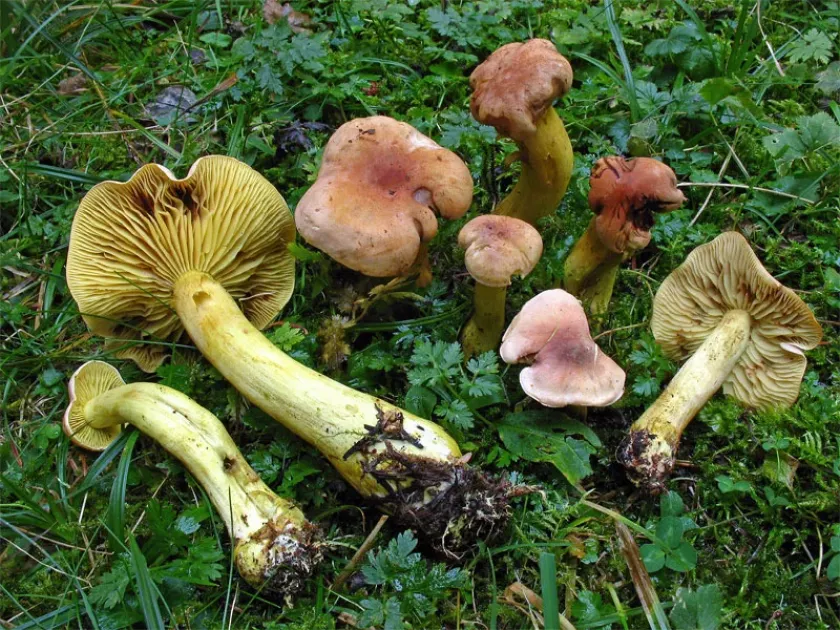
The surface of the cap features a rough or finely scaly texture. Colors range from grayish-yellow to brownish-olive, often with a darker center, distinguishing it from edible mushroom varieties.
The gills are spaced, wide, and yellowish in color, sometimes displaying violet or brown tints. This is a crucial diagnostic feature for field identification.
The flesh may show slight color changes upon injury. It is firm, but possesses an extremely unpleasant, acrid odor, which serves as a natural deterrent to animals and humans.
The spore print of the Sulphur knight is white. Species identification is based on a combination of cap shape, gill coloration, and the specific organoleptic profile (the distinct smell).
Pathogen
The Sulphur knight (Latin: Tricholoma bufonium) is a saprotrophic fungus belonging to the Tricholomataceae family. It is important to clarify that this organism is not a plant pathogen and does not cause diseases in agricultural or forestry crops.
Biologically, this species is a soil saprotroph involved in the decomposition of organic matter within forest ecosystems. Its mycelium does not parasitize living plant tissues, posing no threat to agricultural productivity.
Taxonomically, it is classified as a gilled fungus. The mycelium thrives in the leaf litter of coniferous and deciduous forests, favoring acidic soils. The fungus's biological role is strictly limited to breaking down forest debris, rather than damaging living plant organs.
Morphologically, the species is identified by a cap up to 8 cm in diameter, exhibiting a dirty-yellow or olive-brown hue. The stem is often fibrous, and the fungus is known for its distinct, unpleasant odor, reminiscent of rotting potatoes or coal tar.
From an agronomic and forestry perspective, this species is not considered a causative agent of plant disease. Its presence indicates soil composition and the accumulation of decomposable organic matter rather than any phytopathological risk.
Conditions for development
The development of Tricholoma bufonium mycelium depends directly on the moisture levels of the forest floor. It prefers shaded areas with moderate rainfall in late summer and early autumn.
Active growth of fruiting bodies is most often observed in symbiosis with coniferous trees, such as spruce or pine. The fungus is sensitive to temperature fluctuations and prefers a cool, humid climate.
Optimal conditions for growth include a significant layer of fallen needles or leaves. High soil acidity acts as a favorable factor for the spread of this fungal species.
During dry periods, fruiting ceases entirely as the mycelium enters a dormant state. The most favorable period for visual identification is during rainy weeks in September and October.
Spore dispersal occurs via wind. Spores travel significant distances before settling on suitable substrates, where, provided there is sufficient moisture, they form new mycelial colonies.
Why it matters
The species is considered inedible due to its specific smell and the presence of certain toxins; however, it causes no harm to agricultural crop health.
The Sulphur knight is not a pathogen and does not cause necrosis, rot, or wilting in plants. There is no economic damage associated with this fungus in the agricultural sector.
In ecological systems, the fungus is beneficial as a decomposer, contributing to nutrient cycling. It breaks down organic matter, making minerals available for tree root systems.
The lack of pathogenicity is confirmed by its absence from lists of quarantine or invasive plant pathogens. Its presence on land does not warrant chemical intervention.
In summary, this fungus is safe for crops and requires no specific control or prevention measures in gardening or field farming contexts.
Protection
No specialized protection measures are required against this species, as it poses no threat to cultivated plants.
If the presence of fruiting bodies is undesirable for aesthetic or other reasons, manual removal during the active fruiting season is recommended.
Managing soil moisture through effective drainage may indirectly reduce the likelihood of mycelium emergence, as the fungus favors waterlogged environments.
Prophylaxis consists of maintaining land hygiene: timely removal of excess organic debris deprives the fungus of the nutritional environment necessary for development.
The use of fungicides against this fungal species is inappropriate, economically unjustified, and environmentally discouraged.
Discussion
No discussions yet — be the first.