
Silver Knight
Tricholoma argyraceum
Description
Symptoms
The primary sign of its presence is the emergence of gray, scaly mushrooms from the soil during moist conditions, typically in late summer or autumn.
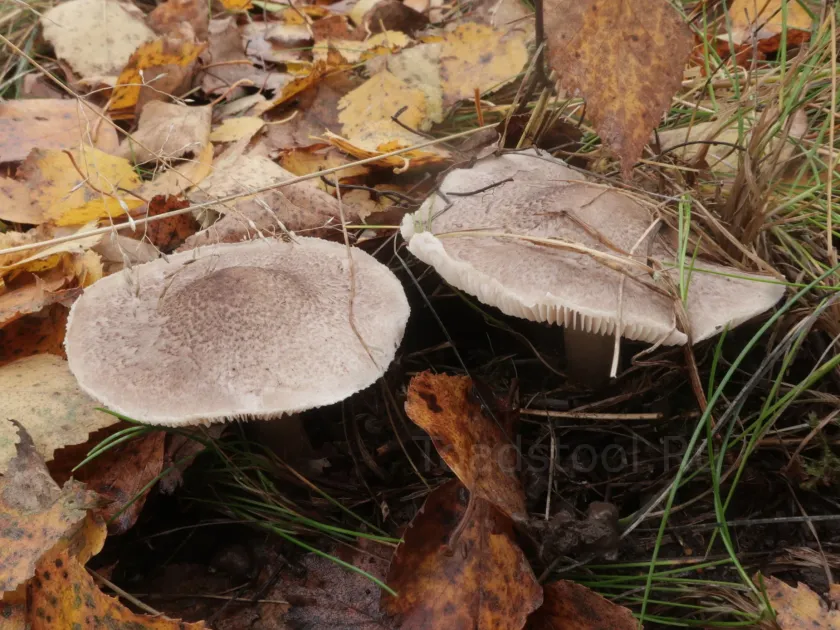
The cap of the mushroom is generally 3–8 cm wide, featuring a distinct silvery-grey appearance with small, darker scales clustered in the center.
The gills underneath the cap are initially white but may yellow with age. The stipe (stem) is usually white or grey and has a fibrous, sturdy structure.
Plants growing in the vicinity show no pathological symptoms such as chlorosis, necrosis, or wilting. The growth of the fungus occurs independently of the crops.
There is no evidence of mycelial invasion into the root systems of crops, which remain perfectly healthy and vigorous throughout the growing season.
Pathogen
The Silver Knight (Tricholoma argyraceum) is a basidiomycete fungus belonging to the Tricholomataceae family. It is crucial to clarify that this fungus is a saprotroph and not a plant pathogen.
In biological terms, it thrives on decaying organic matter in the soil. It lacks the biological mechanisms required to infect or parasitize living agricultural crop tissues.
This organism does not produce toxins that inhibit plant growth, root development, or the maturation of fruits and vegetables in commercial fields.
Within the taxonomic hierarchy, it is a mushroom species that forms macroscopic fruiting bodies. It should not be confused with microscopic pathogens like rusts or blights.
Agronomists classify this species as a benign soil inhabitant, posing absolutely no risk to the physiological health of crops or yield stability.
Conditions for development
Tricholoma argyraceum prefers well-drained, sandy, or loamy soils rich in organic matter. It is most commonly found in forest soils or near decaying wood.
Optimal development of the fruiting bodies requires high air humidity and mild temperatures, typically within the range of 12°C to 18°C.
High levels of soil cultivation, including the application of chemical fertilizers, generally discourage the growth of this fungal species in agricultural settings.
The presence of abundant leaf litter or organic mulch provides the carbon sources necessary for the mushroom's development as a saprotroph.
In greenhouses or high-intensity fields, the environmental conditions are rarely suitable for this fungus to form visible fruiting bodies.
Why it matters
The Silver Knight mushroom is harmless to agriculture. It does not cause crop diseases, nor does it compete with plants for essential nutrients.
There is no record of this species acting as a vector for viruses, bacteria, or other harmful phytopathogens in agricultural ecosystems.
The fungus does not create any food safety risks, as it does not produce metabolites that accumulate in the tissue of harvested vegetables or fruits.
Its impact on agricultural production is neutral, and it plays a role in the soil ecosystem by assisting in the decomposition of dead plant materials.
Farmers do not need to implement any strategies against this mushroom, as it does not interfere with production, harvest, or plant development.
Protection
Since this fungus is not a pathogen, no control measures or chemical treatments are required or recommended by agricultural experts.
If physical removal is desired for aesthetic reasons in gardens or plots, simply picking the mushrooms by hand is sufficient for control.
Applying fungicides to control this species would be counterproductive, as it could damage the beneficial soil microbiome without providing any agricultural benefit.
Standard agronomic practices, such as soil aeration and regular cultivation, naturally manage the organic layers where these fungi might grow.
Emphasis should be placed on managing genuine crop pathogens rather than removing non-parasitic mushrooms like the Silver Knight.
Discussion
No discussions yet — be the first.