
White knight fungus
Tricholoma albidum
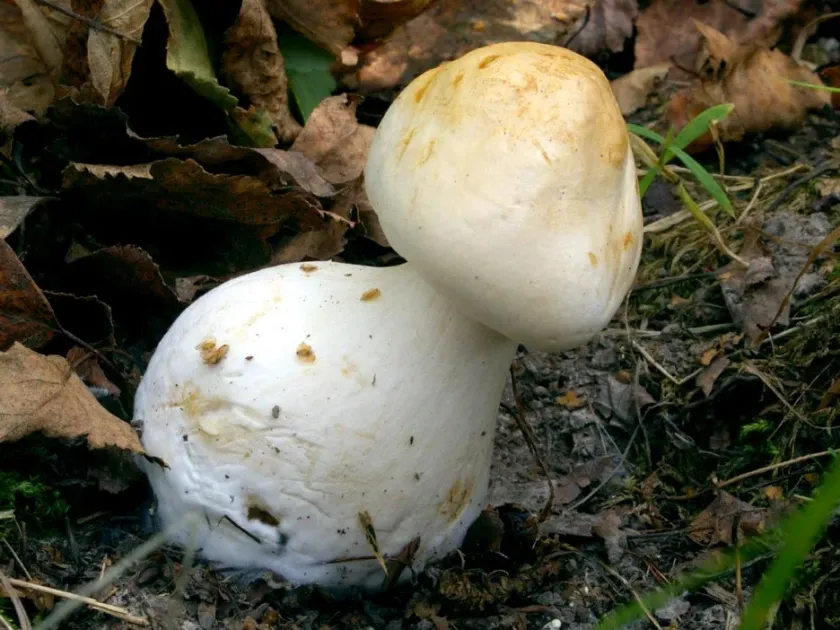
Description
Symptoms
Initial symptoms of infection include visible chlorosis of the lower leaves and stunted growth of the main shoot. The affected plants exhibit a significant disparity in size compared to healthy ones, showing reduced vigor and developmental delays.
Upon examination of the root system, a white, dense mycelial mat is often found covering the roots. Infected tissues typically lose their structural integrity, turning mushy, darkened, and emitting an earthy, musty odor characteristic of fungal decay.
Loss of turgor pressure during the day is a common sign of root system damage. Since the fungus destroys the fine roots responsible for water uptake, the plant struggles to maintain hydraulic equilibrium under normal transpiration rates.
As the disease progresses, the plant shows signs of premature leaf shedding and eventual collapse. In many cases, the root system appears entirely blackened or brittle, indicating severe mycelial colonization and tissue necrosis.
- Generalized yellowing of the foliage (chlorosis).
- Wilting during peak sunlight hours.
- Presence of a white, felt-like mycelium on the soil surface.
- Root discoloration and softening of the collar region.
Pathogen
The white knight fungus (Tricholoma albidum) is a basidiomycete that, while often known for its mycorrhizal associations in forest ecosystems, can act as a plant pathogen in agricultural settings. It targets root systems, particularly in young plants or those already under environmental stress.
The fungus propagates via spores and mycelial growth within the soil horizon. Under specific conditions, the relationship between the fungus and the host plant shifts from beneficial or neutral to parasitic, leading to the destruction of root tissues.
The pathogen utilizes enzymatic degradation to penetrate the plant's root hairs, compromising the plant's ability to absorb essential nutrients and moisture. This process is particularly aggressive in soils with high organic matter accumulation.
Its mycelium is highly resilient, surviving harsh winter conditions and prolonged dry spells by entering a state of dormancy. This persistence makes it a challenging pathogen to eradicate once it has established itself in the soil.
Scientific studies classify Tricholoma albidum as a significant biotic factor in root-associated health issues, especially when soil microbiome diversity is low and pathogen pressure increases due to monocultural practices.
Conditions for development
The fungus thrives in moist, well-aerated soils with moderate temperatures ranging from 15°C to 22°C. Excessive irrigation and poor drainage are the primary drivers for rapid fungal proliferation.
Soil pH levels influence the activity of Tricholoma albidum, with a preference for slightly acidic to neutral soils. In such conditions, the fungal mycelium can outcompete beneficial soil microbes for nutrients.
The application of uncomposted manure provides an abundant nutrient source for the fungus, significantly increasing the likelihood of an outbreak. High planting density also creates a microclimate that prevents soil drying, favoring infection.
Mechanical damage to roots during weeding or due to soil pests provides easy entry points for the pathogen. Once entry is gained, the fungus spreads rapidly through the root network, facilitated by moisture films.
Environmental conditions characterized by extended rainfall periods are particularly conducive to the spread of the pathogen, as the spores are easily dispersed via water movement in the soil profile.
Why it matters
The primary damage inflicted by Tricholoma albidum is the reduction of crop yield due to compromised nutrient uptake. Plants suffer from chronic deficiencies, leading to smaller fruits and reduced biomass.
The energetic cost of maintaining a struggling root system leaves the plant with fewer resources for reproduction, negatively impacting the total harvest quality. In extreme cases, complete stand loss occurs.
Agricultural operations face significant economic losses due to the need for soil sanitization or total replacement of infected planting beds. The pathogen's longevity in the soil means that long-term recovery efforts are necessary.
Plants weakened by this fungus are highly susceptible to secondary infections, such as bacterial soft rots, which can accelerate the death of the host plant. This synergy between pathogens often complicates the diagnosis.
The persistence of the fungus prevents the planting of susceptible crops in the same area for several seasons, forcing farmers to re-plan their rotations and invest in costly control measures.
Protection
Management begins with strictly implementing crop rotation and ensuring high-quality drainage. Proper soil preparation, including the incorporation of well-aged compost, is essential to foster a healthy microbial community.
Biological control using Trichoderma species is a proven method to suppress Tricholoma albidum, as these beneficial fungi compete for space and resources, effectively inhibiting the pathogen's growth.
Systemic fungicides may be applied in severe cases, following local regulations. It is crucial to use targeted applications at the base of the plant to reach the root zone, where the mycelium is most active.
Cultural practices such as improving air circulation and controlling soil moisture levels significantly reduce the risk of outbreaks. Sanitizing tools between plots prevents the mechanical transfer of spores.
Maintaining soil fertility through balanced fertilization—specifically potassium and phosphorus—strengthens the plant’s structural defenses, helping it to better withstand potential attacks by soil-borne pathogens.
Discussion
No discussions yet — be the first.