
Tremelloid fungi
Tremellomycetes
Description
Symptoms
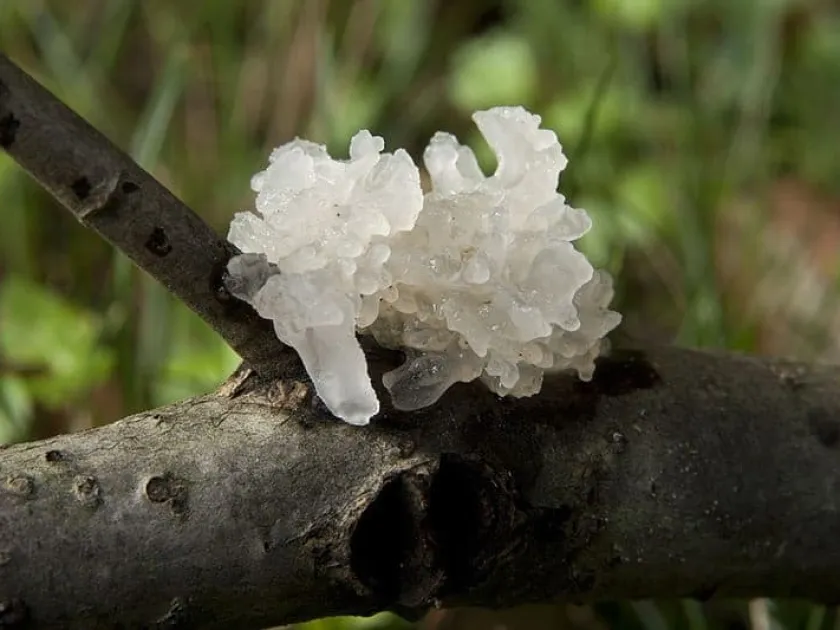
The primary symptom of infection is the development of gelatinous, jelly-like, or film-like growths on the bark or limbs of affected plants.
These fruiting bodies often display vibrant yellow, orange, or reddish colors, becoming most visible during humid or rainy weather conditions.
Infected areas of the bark may show signs of softening or structural degradation, appearing water-soaked compared to healthy tissue.
During dry periods, the fruiting bodies can dehydrate into thin, hard crusts that are easily overlooked, only to rehydrate when rainfall resumes.
- Gelatinous or jelly-like clusters on bark.
- Softened areas of wood tissue.
- Brightly colored film-like fungal growth.
Pathogen
The class Tremellomycetes consists of basidiomycete fungi, which are primarily saprotrophic but can occasionally act as parasites on plants or other fungi.
These pathogens are characterized by yeast-like or gelatinous growth forms, often appearing on weakened wood or decaying bark surfaces.
Some species in this group are mycoparasitic, meaning they colonize other fungi that have already infected a plant, potentially aggravating the existing disease.
Their life cycle is highly dependent on environmental moisture, allowing them to switch rapidly between vegetative growth and the production of fruiting bodies.
Colonization is facilitated by the presence of organic debris, wounds, or existing lesions on host plants that provide essential nutrients for the fungus.
Conditions for development
The development of tremelloid fungi is strictly controlled by environmental humidity, as they require significant moisture to expand their gelatinous fruiting bodies.
Warm and rainy weather patterns provide ideal conditions for the rapid spread and maturation of these fungal populations within garden environments.
Plants with mechanical injuries, frost cracks, or improper pruning wounds are most susceptible to colonization by these opportunistic pathogens.
Poor airflow within the plant canopy creates a microclimate with high humidity, facilitating the survival and colonization of fungal spores.
General tree stress, caused by nutrient deficiency or drought, often predisposes plants to become hosts for various wood-decaying organisms.
Why it matters
While often secondary, these fungi accelerate the breakdown of wood tissues, leading to a loss of mechanical strength in branches and trunks.
The presence of these fungi can inhibit the healing process of plant wounds, leaving the tree vulnerable to more aggressive pathogens and wood-boring insects.
Structural damage over time may cause branch dieback and an overall reduction in the plant's health and vigor.
By interfering with the normal barrier functions of the bark, the infection may facilitate the entry of internal pathogens into the vascular system.
In aesthetic and landscape settings, the visible fungal growths are considered a significant issue that degrades the visual quality of the plant.
Protection
The most effective strategy involves the surgical removal and proper disposal of infected branches or damaged bark areas.
Wounds must be sealed with professional pruning sealants or protective paints to prevent fungal spores from settling in vulnerable areas.
Maintaining proper tree health through balanced fertilization and irrigation ensures the plant can effectively defend itself against opportunistic infections.
Strategic pruning to improve canopy airflow is essential to reduce moisture buildup and eliminate favorable conditions for fungal growth.
Regular inspection of the garden, particularly after wet periods, allows for the early detection and management of fungal colonies before they spread.
Discussion
No discussions yet — be the first.