
Tremella aurantialba
Tremella aurantialba
Description
Symptoms
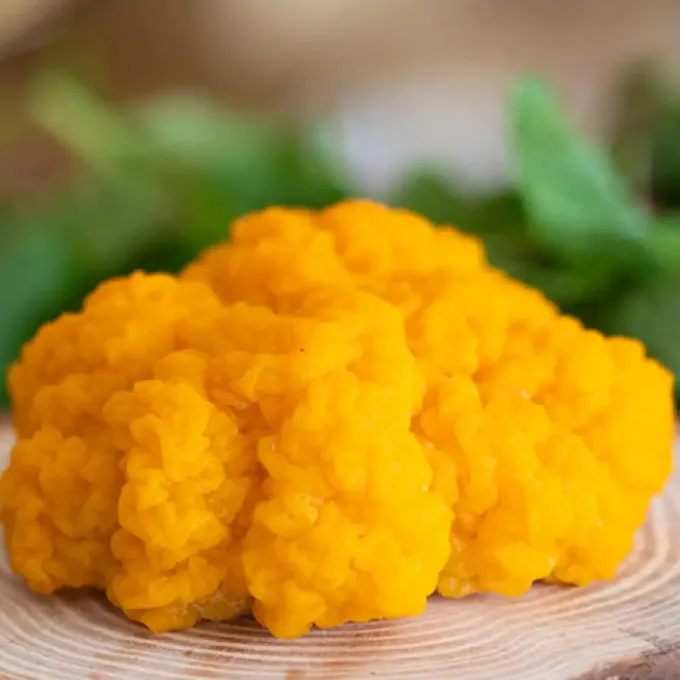
The most distinctive symptom is the appearance of vibrant, orange-colored, jelly-like lobes or folds on the bark, particularly around cracks or pruning wounds. These growths are soft to the touch.
Infected areas of the bark often exhibit discoloration and premature softening. As the decay progresses, the bark may detach from the sapwood, exposing the underlying damaged tissue.
Trees affected by this fungus often show canopy thinning and chlorosis (yellowing of leaves). These are indicators that the fungus has disrupted the tree's internal nutrient and water transport systems.
Significant structural weakness is a common late-stage symptom. As the wood decays, the tree may show signs of localized brittleness, leading to the breakage of branches or even total stem failure during high winds.
- Bright orange gelatinous fruiting bodies.
- Softening and decay of the bark.
- Reduced vigor and stunted annual growth.
- Increased risk of branch failure.
Pathogen
Tremella aurantialba is a parasitic fungus belonging to the Basidiomycota division. It is biologically unique as it often exhibits mycoparasitic traits, thriving by colonizing other wood-decaying fungi found on trees.
The fungus develops visible fruiting bodies that appear as bright yellow to orange gelatinous masses. These structures serve as the primary reproductive units, releasing spores that facilitate the spread of the disease.
The pathogen is classified as a wood-degrading organism. It penetrates the xylem and phloem layers of the host tree, breaking down cellulose and lignin, which are the fundamental structural components of wood.
The lifecycle of this fungus is closely linked to moisture levels. It thrives when environmental conditions provide prolonged humidity, allowing the mycelium to expand deep within the woody tissues of the host.
In terms of pathology, it is often opportunistic, taking advantage of stressed or previously wounded trees. While it can exist in forest environments, its presence in orchards can be detrimental to tree longevity.
Conditions for development
High relative humidity is the primary catalyst for the growth of Tremella aurantialba. Periods of heavy rain, thick fog, and low evaporation rates create a moist microclimate on the bark surface.
The fungus favors shady, poorly ventilated areas where moisture persists on tree surfaces for extended periods. Direct sunlight and dry air are significant inhibitors to its reproductive success.
Mechanical damage is the primary entry point. Any form of pruning wound, storm damage, or frost crack serves as a pathway for the fungus to bypass the natural defenses of the bark and reach the nutrient-rich wood underneath.
The presence of other wood-decay fungi significantly aids the colonization process, as Tremella aurantialba effectively utilizes the mycelial networks of these existing fungi to establish its own territory.
The most active developmental phase occurs within the temperate range of 15°C to 22°C, which typically corresponds with spring and autumn weather patterns in many regions.
Why it matters
The primary harm caused by this fungus is the structural degradation of the wood, which compromises the tree's mechanical integrity. This increases the danger of falling branches or uprooted stems.
By obstructing the vascular tissues, the fungus prevents water and essential mineral salts from reaching the canopy. This metabolic blockage leads to severe stress, dieback, and eventually, the death of the tree.
The infected tree becomes a reservoir for spores, potentially threatening neighboring trees in an orchard or forest environment. This makes it a significant management concern for growers.
Economic damage is twofold: the cost of intensive remediation or tree removal and the loss of long-term productivity from the affected orchard or landscape trees.
Secondary infections by wood-boring insects often follow the colonization by Tremella aurantialba, as the weakened tree loses its resistance to further pest attacks.
Protection
Good cultural practices are the foundation of prevention. Regular sanitary pruning to remove dead or diseased branches minimizes the number of potential infection sites and improves airflow.
If fungal growths are observed, they must be excised immediately. It is critical to remove the infected tissue along with a margin of healthy wood, ensuring all tools are sterilized with alcohol between cuts.
Wounds created during excision or pruning should be sealed with wound dressings or horticultural paste to prevent re-colonization and protect the exposed area from moisture.
Preventative applications of copper-based fungicides can act as a surface barrier on the bark, particularly during wet seasons when the risk of spore germination is at its highest.
Maintaining tree vigor through proper irrigation and fertilization remains the most effective long-term defense. A healthy tree can better partition and compartmentalize minor infections, preventing them from becoming systemic.
Discussion
No discussions yet — be the first.