
Tremella
Tremella
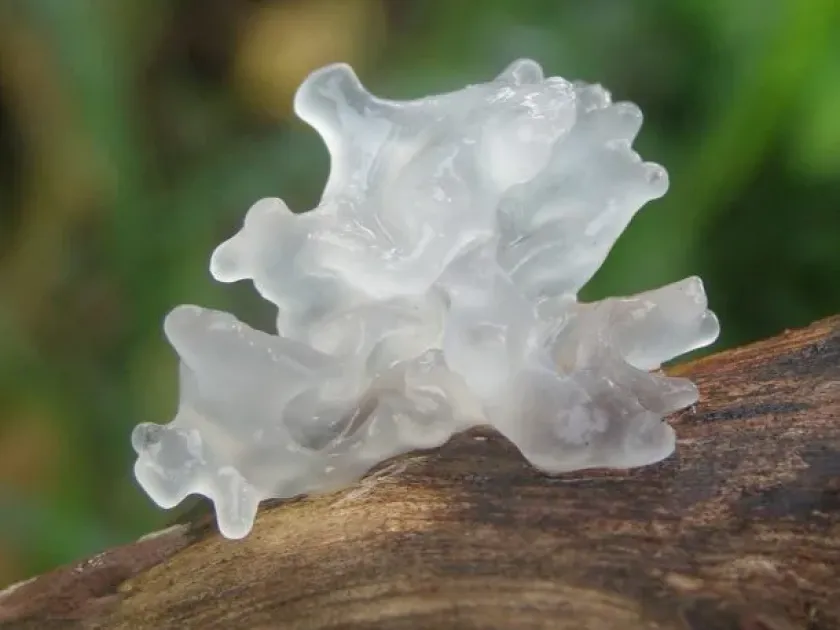
Description
Symptoms
The most distinctive sign of Tremella infection is the presence of gelatinous, jelly-like growths on branches, trunks, or sometimes leaves. These growths often appear as yellow, orange, or white blobs that swell significantly when wet.
Under dry conditions, these structures can dehydrate, becoming inconspicuous crusts or films on the plant surface. When moistened, they regain their soft, rubbery texture and expand rapidly.
Infected areas often show localized discoloration of the bark, which may become soft or spongy. The tissue underneath the fungal growth may exhibit signs of degradation as the fungus processes organic material.
If the fungus develops on shoots or leaves, it may cause deformation, curling, or inhibited growth patterns. This is often accompanied by a slimy appearance that is distinct from natural plant sap or resin.
Early identification is key, as these signs are often mistaken for harmless natural phenomena. Regular inspection of shaded, damp areas of trees is essential for catching the development of these colonies early.
Pathogen
The genus Tremella consists of jelly fungi which are often mycophilic, meaning they grow on other fungi. In the context of plant health, they can colonize the mycelia of various pathogens that affect crops, potentially interacting with the host plant's tissues.
These organisms are characterized by their gelatinous, often translucent or brightly colored fruiting bodies. Their biological lifecycle is strictly dependent on moisture and humidity levels, allowing them to thrive in damp, undisturbed environments.
The pathogen disperses through basidiospores that are easily transported by water droplets and wind. Upon landing on a suitable host or substrate, the spores germinate, forming hyphae that integrate into the existing fungal colonies on the plant.
Tremella is generally considered a secondary colonizer rather than a primary aggressive pathogen, but its presence signals an underlying issue with plant hygiene and excessive moisture in the garden environment.
The fungus can persist through unfavorable weather by surviving as dormant spores within bark crevices, dead wood, or on decaying organic material present on the soil surface.
Conditions for development
High humidity and poor air circulation are the primary drivers of Tremella development. Shaded spots where moisture persists for long periods create the perfect microclimate for these fungi to thrive.
Moderate temperatures, typical of spring and autumn rainy seasons, are ideal for the rapid growth of the fruiting bodies. The fungus is especially active following prolonged periods of mist or light rain.
Mechanical damage, such as pruning wounds, cracks in the bark, or insect-driven injuries, provides an entry point for spores. Healthy bark is much more resistant, but compromised tissue becomes a prime colonization site.
Overcrowded plantations or dense foliage prevent the sun from drying out the plant surfaces, allowing the fungus to maintain the high moisture content it requires for its gelatinous structure.
Decaying wood and organic litter beneath plants provide a continuous reservoir for spores, ensuring that the pathogen remains present in the garden ecosystem throughout the season.
Why it matters
The harm caused by Tremella is largely due to the physical obstruction of gas exchange and the subsequent weakening of the plant. The gelatinous masses can cover lenticels, hindering the plant's ability to breathe.
By creating a persistently wet surface, the fungus encourages the development of secondary bacterial rot. This secondary infection is often more damaging than the Tremella itself, leading to branch dieback.
Persistent presence of the fungus places stress on the plant, which may manifest as reduced vigor, yellowing leaves, or premature leaf drop. This stress makes the host more susceptible to other pests and diseases.
In nurseries and commercial orchards, the presence of these growths significantly impacts the aesthetic value of the stock, potentially rendering plants unsellable due to their unhealthy appearance.
While usually not fatal to mature trees, chronic infestation contributes to long-term decline by predisposing the wood to more aggressive decay pathogens that enter through the damaged bark.
Protection
The best control method is improving garden hygiene and air circulation. Regular pruning to open up the canopy allows sunlight to penetrate and surfaces to dry, effectively preventing spore colonization.
Remove and safely dispose of any plant parts showing signs of infection. Clean all pruning tools with a disinfectant solution between plants to prevent the spread of spores to healthy trees.
Copper-based fungicides applied during the dormant season can help reduce the spore load on the bark. Ensure full coverage of the trunk and branches during the application process.
Managing soil moisture and drainage helps prevent the high atmospheric humidity that these fungi require. Removing organic debris from the base of the plant further reduces the risk of infestation.
- Prune regularly to ensure adequate light and airflow.
- Disinfect tools after each use on infected materials.
- Treat large pruning cuts with sealing pastes.
- Maintain plant vigor through balanced fertilization.
Discussion
No discussions yet — be the first.