
Trechispora stellulata
Trechispora stellulata
Description
Pathogen
The causal agent of this condition is the basidiomycete fungus Trechispora stellulata. It primarily functions as a soil-inhabiting saprotroph but can exhibit pathogenic behavior under specific environmental stressors.
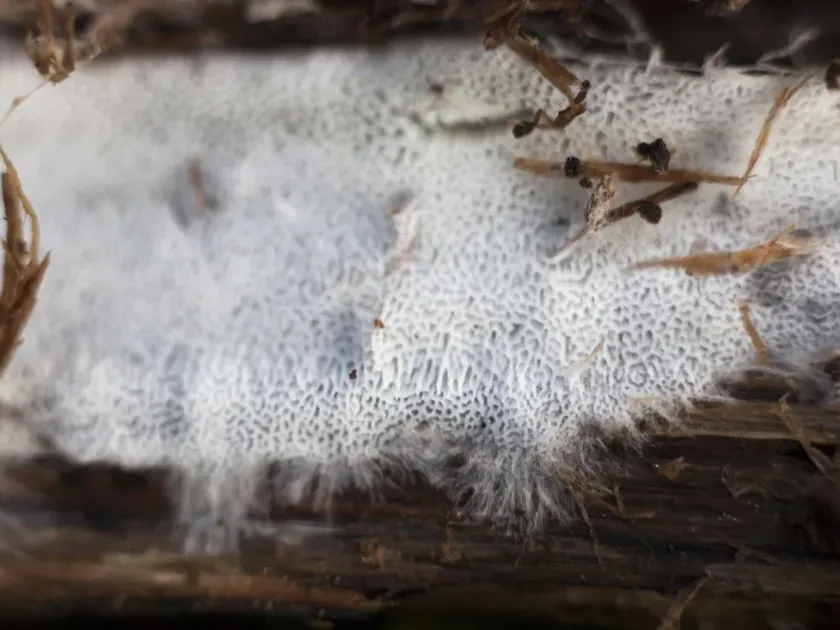
The fungus is characterized by its distinct mycelial structures which often appear as star-shaped aggregates. This morphology is a key diagnostic feature when examining infected organic debris or soil surfaces.
As a soil-borne organism, it relies on basidiospores for dissemination. These spores can persist in the soil matrix for extended periods, waiting for favorable environmental conditions to colonize new plant tissues.
The pathogen disrupts the root system's integrity, interfering with water uptake and essential nutrient transport. This leads to physiological stress in the host plant.
Genetic analysis classifies this species within the order Trechisporales. Understanding its biological cycle is crucial for developing effective diagnostic tools in modern agronomy.
Conditions for development
The proliferation of Trechispora stellulata is heavily dependent on soil moisture levels. High humidity and waterlogged soil conditions are the primary drivers of fungal growth and development.
Moderate temperatures, typically ranging from 15°C to 22°C, provide an optimal environment for the fungus to transition from a dormant state to an active pathogenic phase.
Poorly aerated, heavy clay soils are particularly susceptible to the buildup of this pathogen. Lack of oxygenation in the root zone favors the fungus over beneficial aerobic microorganisms.
The presence of uncomposted organic matter, such as crop residues or fresh manure, creates a nutrient-rich environment that promotes the expansion of the fungal mycelium.
Monoculture practices significantly increase the risk of an outbreak, as the continuous presence of the same host species allows the pathogen to establish and multiply throughout the field.
Why it matters
The most common symptom of infestation is severe stunting. Infected plants exhibit delayed development, thinner stems, and a marked reduction in overall vigor compared to healthy specimens.
Root and crown rot are frequent outcomes of the infection. This decay at the base of the plant often causes structural instability, leading to lodging in cereal and row crops.
Leaf chlorosis is frequently observed as a secondary effect of root damage, as the plant struggles to transport necessary minerals to the canopy, leading to premature wilting and senescence.
The infection creates gaps in the plant population, directly reducing the harvestable density. This uneven distribution significantly impacts the overall yield potential of the agricultural land.
Beyond direct crop loss, the presence of the pathogen lowers the quality of the harvested produce, potentially limiting its marketability and long-term storage viability.
Protection
Effective management begins with robust crop rotation strategies. Diversifying plant species in a field helps to break the lifecycle of soil-borne pathogens by denying them their preferred hosts.
Tillage practices should be optimized to facilitate the rapid decomposition of organic residues. Incorporating residues deeply into the soil accelerates mineralisation and reduces fungal growth sites.
- Use of high-quality, fungicide-treated seeds to ensure early-stage protection.
- Installation of adequate drainage systems to prevent water accumulation.
- Application of bio-control agents, specifically Trichoderma species, to suppress fungal growth.
- Monitoring soil pH to ensure it remains outside the fungus's preferred range.
Integrated Pest Management (IPM) is essential. Regular scouting of fields during periods of high precipitation helps to detect early infection markers before they develop into widespread outbreaks.
Maintaining strict field hygiene is vital. This includes the removal of diseased plant materials and the thorough cleaning of agricultural machinery to prevent the cross-contamination of fields.
Discussion
No discussions yet — be the first.