
Trechispora mollusca
Trechispora mollusca
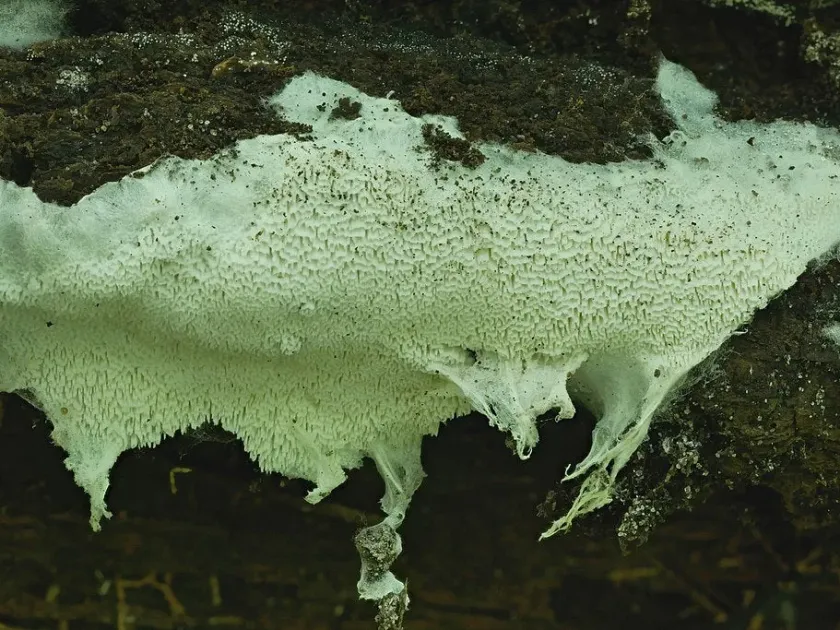
Description
Symptoms
The most visible sign of infection is the appearance of a thin, white, web-like mycelial mat covering the soil surface around the base of the plant. This mycelium often extends onto the lower stem and visible roots.
Affected plants exhibit symptoms such as wilting, chlorosis (yellowing of leaves), and stunted growth. These signs result from the damage to the root system, which disrupts the uptake of water and vital minerals.
When examining the root system, one will notice a distinct softening of the tissue. Infected roots appear discolored, ranging from light brown to dark, and may lose their structural integrity, becoming mushy to the touch.
Advanced stages of the disease may cause the base of the stem to become brittle. In some cases, the tissue undergoes decay to the point where the plant can be easily detached from the root zone with minimal effort.
- White, web-like mycelium at the root collar
- Wilting and loss of turgor in the foliage
- Soft, discolored, and decaying root tissues
- Stunted development and overall plant weakness
Pathogen
Trechispora mollusca is a basidiomycetous fungus belonging to the order Trechisporales. While primarily a saprotroph that decomposes organic matter, it can occasionally behave as a pathogen, particularly in stressed plants or moist environments.
The fungus is characterized by a soft, white to creamy mycelium that spreads across surfaces. Its growth habit includes the formation of fine, root-like hyphal strands that allow it to colonize soil and decaying plant tissues efficiently.
Reproduction occurs through both vegetative growth of the mycelium and the production of spores. These spores are easily disseminated by wind, water splashes, and physical contact with contaminated tools or nursery stock.
Biological activity is driven by the secretion of enzymes capable of breaking down cellulose. This process allows the fungus to gain nutrients from plant cells, leading to structural damage and softening of the host tissues.
In many environments, Trechispora mollusca acts as part of a complex of soil-borne pathogens. Its presence is often indicative of high humidity and excessive organic debris in the immediate vicinity of the root system.
Conditions for development
The development of Trechispora mollusca is strongly favored by high moisture levels. Poorly drained soil or excessive irrigation creates the ideal environment for the fungus to thrive and infect root tissues.
Moderate temperatures, typically ranging from 15°C to 22°C, are optimal for the rapid growth and colonization of this fungus. In such conditions, the fungal mycelium can expand throughout the soil profile very quickly.
The accumulation of raw, non-decomposed organic matter, such as wood chips, sawdust, or crop residues, provides a significant nutrient source for the fungus, allowing it to build up a large population before attacking live plants.
Lack of soil aeration or compaction inhibits the activity of beneficial soil microorganisms that might otherwise compete with the fungus, thereby providing a clear path for Trechispora mollusca to dominate the substrate.
Management of the soil environment is essential, as the fungus is rarely a threat in well-aerated, dry, and clean soil conditions where organic matter is properly managed and humified.
Why it matters
The primary harm caused by this fungus is the destruction of the root system, which leads to the eventual death of the plant. This is particularly devastating in nurseries where large quantities of young plants can be lost.
By compromising the roots, the pathogen reduces the plant's ability to withstand environmental stresses such as drought or heat. This makes the plant susceptible to secondary pathogens and pests, complicating the recovery process.
For perennial crops, damage to the base of the stem can result in long-term structural weakness, reducing the lifespan and productivity of the trees or shrubs involved.
The pathogen can persist in the soil for extended periods, making it difficult to plant susceptible species in the same area without significant intervention or soil treatment to clear the infection.
Economic impact is significant, encompassing the loss of inventory, the costs associated with fungicide applications, and the labor required to sanitize contaminated planting beds.
Protection
Cultural control is the most effective approach. This includes ensuring proper soil drainage, avoiding over-irrigation, and removing excessive organic debris that could host the fungus from the planting area.
Preventative application of bio-fungicides, particularly those containing Trichoderma species, can help establish a healthy microbial community in the soil that outcompetes Trechispora mollusca.
If an outbreak occurs, infected plants should be promptly removed, including a portion of the surrounding soil to minimize the spread of the mycelium. Sanitizing all garden tools after contact with contaminated soil is mandatory.
Maintaining optimal soil pH and structure is beneficial, as it promotes robust root growth, making the plants naturally more resilient to the opportunistic attacks of this fungal pathogen.
In cases where chemical intervention is necessary, apply appropriate fungicides labeled for soil-borne pathogens. Always ensure the chemical is used according to regional safety and environmental guidelines to protect the soil ecosystem.
Discussion
No discussions yet — be the first.