
Trechispora fastidiosa
Trechispora fastidiosa
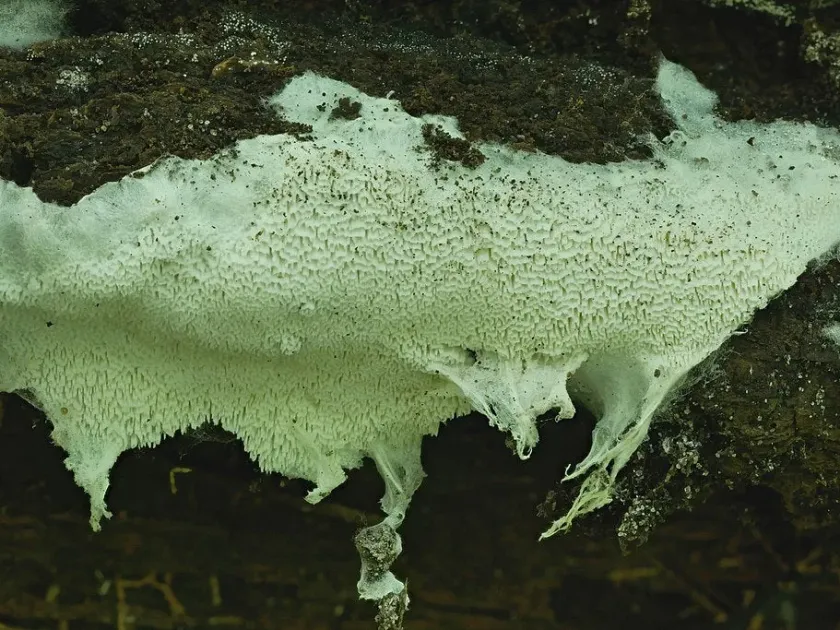
Description
Pathogen
The pathogen Trechispora fastidiosa is a basidiomycetous fungus known for its impact on various cultivated plants. It exists in the soil environment and can transition between saprotrophic and parasitic phases depending on the availability of a host.
The fungus produces a fine, often mycelial mat that colonizes the rhizosphere and the lower parts of stems. By secreting enzymes that degrade plant tissues, it interferes with the plant's structural integrity and nutrient uptake mechanisms.
Reproduction occurs primarily through basidiospores, which are easily disseminated by wind, splashing rain, and agricultural machinery. These spores can remain dormant in the soil or crop debris for several seasons, ensuring survival.
Biological studies of this species emphasize its ability to persist in diverse soil types. The pathogen is highly resilient, making complete eradication from a field a difficult challenge for modern agronomy.
Its interaction with other soil microorganisms is complex, as it can compete for space and nutrients, often displacing beneficial microflora when environmental conditions favor the fungus.
Conditions for development
The development of Trechispora fastidiosa is strongly associated with high soil moisture levels. The fungus thrives in moist environments, particularly when temperatures remain within the range of +15°C to +22°C.
High planting density contributes significantly to the risk of outbreaks by restricting airflow and maintaining humidity levels around the base of the plants. This stagnant microclimate is highly conducive to spore germination.
Soil structure, specifically in poorly drained areas or heavy soils rich in organic matter, supports the long-term presence of the pathogen. Insufficient soil aeration is a critical factor that promotes fungal activity.
Rainy seasons increase the spread of the disease as water moves spores along the soil surface and onto the sensitive tissues of neighboring plants. Once an initial infection occurs, secondary spread can be rapid.
Agricultural practices that promote soil compaction and lack of rotation create ideal conditions for Trechispora fastidiosa to establish itself, leading to persistent problems year after year.
Why it matters
The damage caused by this pathogen manifests primarily as stunted growth and root decay. Plants exhibit wilting, chlorosis of the lower leaves, and, in severe cases, the complete collapse of the vascular system.
In tuberous or root crops, the pathogen induces rot, which significantly degrades quality and shelf life. This leads to substantial financial losses during storage and transit for growers.
By weakening the host plant, the fungus opens the way for opportunistic bacterial infections. This leads to a complex syndrome where the combination of pathogens causes much greater damage than either could alone.
The economic impact is profound, affecting both the yield quantity and the market value of the produce. Growers must often invest in expensive decontamination procedures for both fields and storage facilities.
The presence of the fungus reduces the agricultural productivity of the soil by disrupting the natural symbiotic relationships between plant roots and beneficial microorganisms, affecting long-term fertility.
Protection
Integrated pest management is essential to control Trechispora fastidiosa. Crop rotation, choosing non-susceptible species for at least three seasons, is the most effective preventative measure.
Deep plowing and proper management of crop residues are necessary to reduce the primary inoculum level in the soil. Maintaining healthy plant growth through balanced fertilization also helps boost natural defenses.
Fungicide applications, when required, should be timed with environmental monitoring to catch the disease early. It is crucial to choose systemic products that target basidiomycetes effectively.
Improving field drainage and ensuring proper spacing between plants will create a less favorable microclimate for fungal development. Keeping the fields weed-free also helps in managing potential reservoirs.
- Use of high-quality, pathogen-free seeds and planting material.
- Disinfection of tools and machinery after moving from contaminated areas.
- Careful monitoring of soil humidity and aeration throughout the season.
- Timely removal and destruction of infected plant debris.
Discussion
No discussions yet — be the first.