
Tilletia maclaganii
Tilletia maclaganii
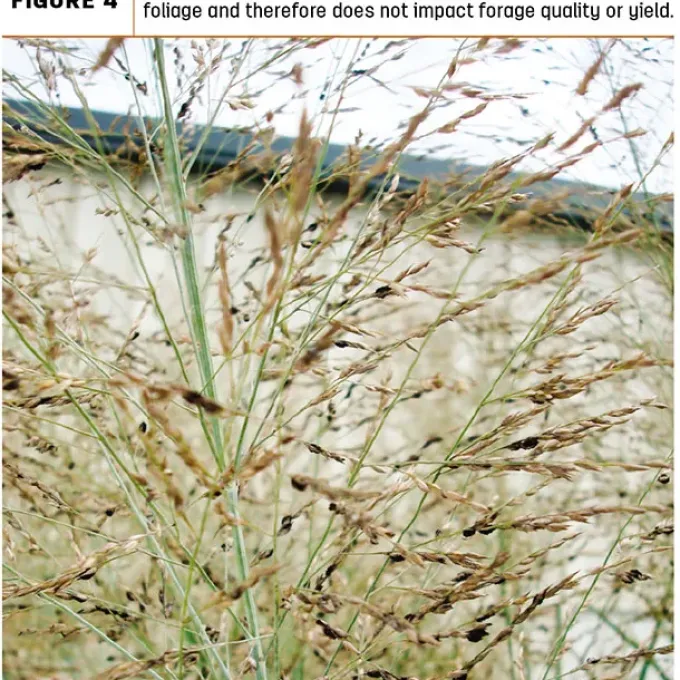
Description
Symptoms
The most distinctive sign of infection is the transformation of spikelets into spore sacs, which replace the normal grain structure.
Affected plants often exhibit a stunted appearance and may have delayed maturity compared to healthy stands in the same field.
When the spore sacs are ruptured, a dark, powdery mass of teliospores is released, which is often accompanied by a distinct, unpleasant odor.
The morphology of the infected head is often altered, appearing broader or more deformed due to the growth of the fungus inside the glumes.
Field observation reveals that infected plants are more easily identified during the grain-filling stage when the difference in ear appearance becomes pronounced.
Pathogen
The fungus Tilletia maclaganii is the causative agent of this specific type of smut disease, impacting the reproductive organs of host plants.
This pathogen belongs to the order Ustilaginales and is known for its ability to convert healthy ovaries into masses of teliospores.
It typically infects the host during the germination stage, with the mycelium invading the developing seedling before it emerges from the soil.
The fungus survives primarily as teliospores, which are resilient structures capable of persisting in the soil or adhering to the seed coat for extended periods.
Genetic analysis shows that the pathogen possesses mechanisms for environmental adaptation, ensuring its survival across various cropping seasons.
Conditions for development
The development of Tilletia maclaganii is heavily dependent on cool and moist soil conditions during the critical early stages of germination.
Temperatures ranging from 5°C to 15°C are considered optimal for the infection process, allowing the fungal spores to germinate successfully.
High soil moisture levels significantly enhance the mobility and penetration capacity of the fungal hyphae as they infect the host tissues.
Late autumn or early spring plantings in regions with high precipitation often experience higher incidence rates of this disease.
The persistence of the pathogen in the soil environment depends on factors like pH, organic matter content, and the presence of alternate hosts.
Why it matters
The economic impact of this disease is primarily manifested through substantial grain yield losses due to the total replacement of kernels by fungal spores.
Contaminated harvests suffer from reduced quality, as the presence of spores renders the grain unsuitable for commercial processing or feed.
Spore masses release harmful secondary metabolites, which can lower the overall nutritional value and safety of the contaminated harvest.
The spread of spores during harvesting operations poses a risk to grain storage facilities, leading to the potential loss of entire healthy batches.
Long-term infestation of fields with Tilletia maclaganii spores can limit crop choice and force farmers to adopt costly management practices.
Protection
The most effective strategy involves treating seeds with high-quality systemic fungicides to eliminate surface-borne and early-stage soil-borne inoculum.
Crop rotation remains a fundamental practice, as it prevents the continuous buildup of pathogen pressure in the soil over consecutive seasons.
Choosing resistant or tolerant crop varieties can provide long-term protection, reducing the need for intensive chemical applications.
Adjusting sowing depth and timing can help plants bypass the most susceptible growth stages during conditions that favor fungal infection.
Implementing strict hygiene protocols for machinery, especially after working in infested areas, prevents the accidental spread of spores to clean fields.
Discussion
No discussions yet — be the first.