
Thraustochytriaceae
Thraustochytriaceae
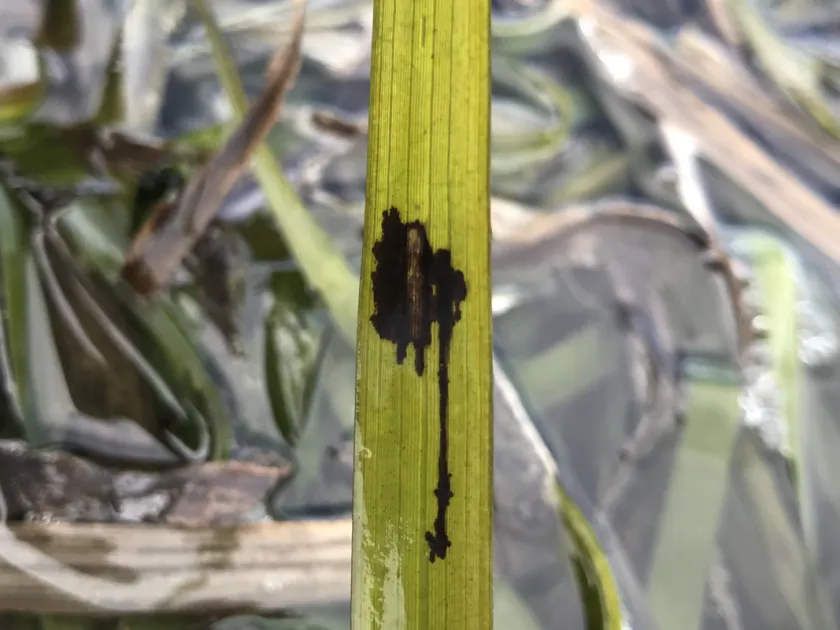
Description
Pathogen
Thraustochytriaceae are a group of marine and soil-dwelling protists related to oomycetes. While commonly found in diverse ecological niches, certain species exhibit pathogenic behavior towards plants, particularly in aquatic and high-moisture agricultural systems.
These organisms are characterized by the production of biflagellate zoospores, which serve as the primary infectious units. They utilize an ectoplasmic network to attach to substrates and penetrate the tissues of host organisms.
The life cycle involves an aggressive phase of zoosporangium formation, allowing for rapid colonization of root tissues. Their ability to adapt to varying chemical compositions of substrates makes them resilient in artificial growing environments.
In modern agriculture, they are identified as emerging pathogens in hydroponic and aquaponic settings. They exploit micro-injuries in the root system to gain entry and initiate degradation of plant tissues.
The physiological activity of these organisms often includes the secretion of extracellular enzymes that break down organic matter, which, in a plant context, leads to the necrosis of healthy tissues.
Conditions for development
The development of Thraustochytriaceae is heavily dependent on moisture levels. Standing water and saturated substrates create the perfect medium for the mobility and infection of host root systems by zoospores.
Poor aeration in the root zone is a critical factor favoring their proliferation. In greenhouse conditions, high humidity and lack of ventilation are major contributors to the spread of these pathogens between plants.
Optimal temperatures for their activity generally range from +18 to +25 degrees Celsius, although they can tolerate a wide variety of temperature fluctuations, complicating eradication efforts.
The presence of decomposing organic material in the growing medium acts as a catalyst for population growth. Thus, substrate cleanliness and the removal of plant debris are essential for limiting the pathogen's initial establishment.
Low light conditions, which may cause plant physiological stress, further increase susceptibility to infection, as the plants struggle to maintain effective metabolic defense mechanisms.
Why it matters
The pathogenicity of Thraustochytriaceae results in severe root rot, which manifests as darkened, softened, and non-functional tissue. This drastically impairs the plant's ability to take up water and vital nutrients.
Above-ground symptoms include progressive wilting, yellowing (chlorosis), and stunted growth. If untreated, the plant eventually collapses, as the root system loses its integrity and cannot support the canopy.
The damage caused by these pathogens also creates a gateway for secondary infections. Opportunistic bacteria and fungi often follow, leading to complex disease profiles that are difficult to treat.
In hydroponic production, the risk is magnified due to the shared circulating water supply. A single contaminated unit can quickly compromise an entire crop, leading to significant economic losses.
Overall, the infestation negatively impacts crop yield and product quality, as plants fail to reach their full biomass potential due to chronic nutrient deficiency and physiological strain.
Protection
Management of Thraustochytriaceae is centered on stringent sanitation protocols. Disinfecting all tools, irrigation lines, and greenhouse surfaces is necessary to prevent the survival and spread of zoospores.
Improving the physical properties of the growing medium, specifically drainage and oxygenation, is a primary defense. Keeping the rhizosphere well-aerated makes it difficult for these organisms to thrive.
Biological control agents, such as beneficial microbes that colonize the root zone, can compete with Thraustochytriaceae for space and nutrients, effectively reducing the risk of a successful infection.
- Implementing regular irrigation system disinfection.
- Ensuring high levels of greenhouse hygiene.
- Using sterilized or high-quality commercial substrates.
- Prompt removal and disposal of infected plant material.
Chemical intervention remains a secondary option due to the specialized nature of these pathogens. Therefore, prophylactic measures and environmental control are the most reliable strategies for maintaining crop health.
Discussion
No discussions yet — be the first.