
Pineapple rot
Thielaviopsis ethacetica
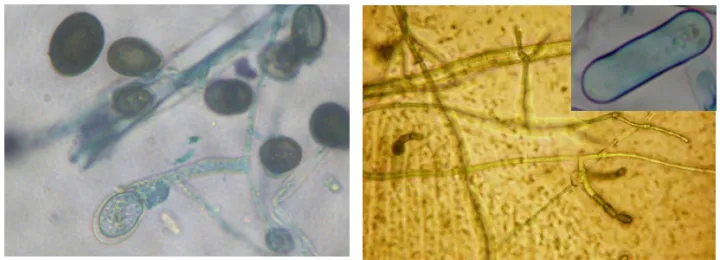
Description
Symptoms
A primary symptom of the disease is the darkening of plant tissues. Infected areas turn dark brown or even jet black as the fungus colonizes the internal structures.
Affected tissues become soft and watery. A characteristic sign is a distinct, pungent odor, often described as smelling like rotting pineapples or ethyl acetate, which is a diagnostic feature.
A dense fungal growth, initially grey and later turning black as spores mature, often covers the surface of the infected organs.
In pineapples, the disease can cause internal rotting of the core, leading to rapid wilting, stunted growth, and the eventual death of the entire plant.
During storage and transit, the fruit may undergo complete liquefaction, losing all commercial value and becoming a source of inoculum for other healthy produce.
Pathogen
The causative agent of pineapple rot is the imperfect fungus Thielaviopsis ethacetica (also known as Ceratocystis paradoxa). This pathogen is a significant threat to various tropical crops, causing rapid tissue decay.
The fungus is soil-borne and can survive in plant debris and soil for extended periods. It thrives under conditions of high humidity and warm temperatures, making it a persistent problem in tropical agriculture.
Reproduction occurs through two types of conidia: small microconidia and larger, dark-pigmented macroconidia. These spores are highly resistant to environmental stressors.
Spores are easily dispersed by wind, water splashes, farm machinery, and insects, which facilitates the rapid spread of the disease throughout fields and storage facilities.
Infection typically occurs through wounds, cuts, or other physical injuries to the stems, rhizomes, or fruit surfaces, emphasizing the need for careful handling of plants.
Conditions for development
Thielaviopsis ethacetica development is highly favored by warm environmental conditions, typically ranging between 25 and 30 degrees Celsius.
High humidity and poor soil drainage significantly accelerate spore germination and the invasion of plant tissues by the fungal mycelium.
The presence of fresh wounds, cracks, or insect-induced injuries on stems and fruit surface acts as a primary entry point, facilitating rapid disease progression.
Poor ventilation during storage creates a microclimate with stagnant moist air, which is highly conducive to the mass proliferation of the fungus.
Overcrowded plantings and inadequate field sanitation contribute to higher disease pressure, making the environment more suitable for the pathogen to thrive.
Why it matters
The main danger of pineapple rot lies in the speed at which it destroys plant tissues, often rendering entire batches of harvest unsalable within days.
In sugarcane production, the disease causes severe losses by rotting seed pieces (setts), which drastically reduces the emergence and vigor of the crop.
In the pineapple industry, the rot leads to significant post-harvest losses, as infected fruit cannot be sold or processed for consumption.
The pathogen's ability to persist in the soil makes it challenging to rotate sensitive crops without implementing rigorous sterilization or treatment protocols.
Infected plant material can contaminate storage containers, transport vehicles, and packing house environments, spreading the disease to healthy produce.
Protection
The most effective strategy is the use of healthy, disease-free planting material, often treated with fungicides to provide a protective barrier.
Implementing a robust crop rotation program helps manage the population of the pathogen in the soil and prevents the continuous cycle of infection.
Minimizing physical damage during cultivation, harvesting, and packaging is crucial, as any break in the plant's surface provides an entrance for spores.
Chemical control using systemic fungicides is widely employed to treat seeds and soil, especially in regions with high disease incidence.
- Prompt removal and burning of infected plant debris.
- Ensuring optimal soil drainage in agricultural fields.
- Strict sanitation protocols for storage and packing facilities.
- Integrated pest management to prevent physical damage by insects.
Discussion
No discussions yet — be the first.