
Thalassiosira
Thalassiosira
Description
Symptoms
A primary visual symptom is the clouding or discoloration of the water, which often shifts to a brownish or ochre hue as the cell density increases.
A slippery, dark-colored film or sludge often accumulates on the inner surfaces of reservoir tanks, pipes, and sensors, hindering system operation.
Plant roots submerged in the affected solution may show brown deposits, which obstruct gas exchange and nutrient uptake, leading to reduced vigor.
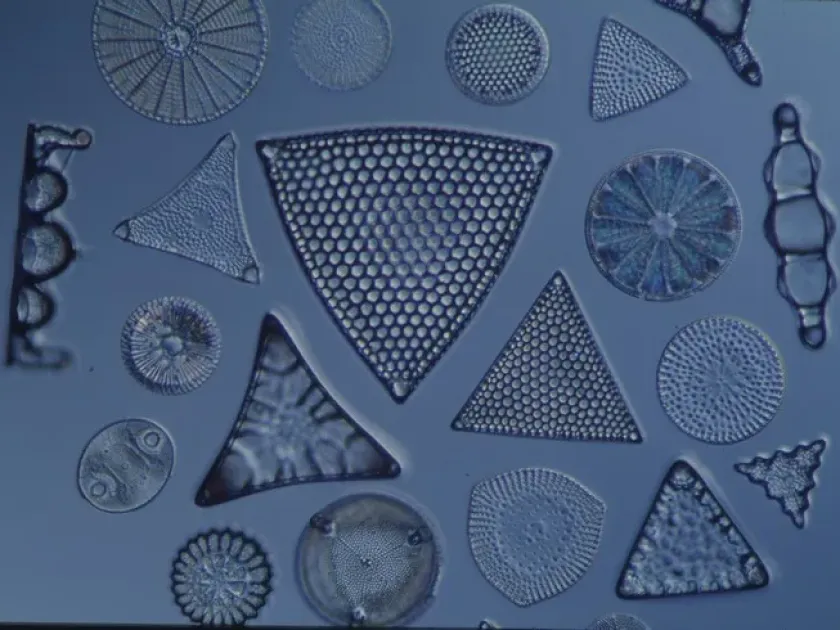
Microscopic inspection of water samples reveals cells with distinct, structured silica shells (frustules), confirming the presence of the genus.
A decrease in dissolved oxygen levels, particularly at night, serves as a significant indicator of high phytoplankton biomass activity in the water.
Pathogen
Thalassiosira is a genus of centric diatoms that can become a significant challenge in controlled environment agriculture and aquaculture settings.
As a single-celled organism with a silica-based cell wall, it functions as phytoplankton that thrives in water-rich environments provided with sufficient nutrients.
In artificial ecosystems, such as hydroponic setups, it can disrupt biological balance, competing with cultivated plants and clogging mechanical components.
While not a disease in the traditional sense of terrestrial plant pathology, its rapid bloom qualifies it as a detrimental agent that negatively impacts plant performance.
The organism reproduces through both sexual and asexual processes, allowing it to colonize new areas rapidly when environmental conditions align with its biological requirements.
Conditions for development
Growth is strongly correlated with the concentration of dissolved silica in the water, which is a mandatory element for the construction of their frustules.
High light intensity levels in greenhouses or indoor facilities trigger aggressive photosynthesis, causing the population to bloom within a very short timeframe.
The species prefers temperatures ranging from 15 to 25 degrees Celsius, matching the optimal range for many common greenhouse crops.
High nitrogen and phosphorus content in nutrient solutions provides a rich substrate that favors the dominance of Thalassiosira over beneficial microbes.
Stagnant or low-flow water conditions create stable niches where the algae can settle and multiply without being subjected to mechanical flushing.
Why it matters
The main harm is intense competition for nutrients, which can deprive crops of essential elements and lead to visible deficiencies in the plants.
Massive algae die-off consumes oxygen, causing hypoxic stress to plant roots and increasing the risk of secondary root rot infections.
The metabolic activities of the algae can shift the pH of the nutrient solution, leading to nutrient lockout and impaired absorption of micronutrients.
Mechanical clogging of drip emitters, filters, and pumps increases maintenance labor and the risk of system failure during critical growing phases.
In aquaculture, high concentrations can physically irritate the gills of larvae, leading to respiratory stress and reduced survival rates.
Protection
Implementing UV sterilization is the most effective method for controlling algae populations circulating within a closed-loop hydroponic system.
Preventing light exposure by using opaque, UV-blocking materials for piping and reservoirs effectively stops the photosynthesis required for algae growth.
Regular system sanitation, using hydrogen peroxide or other safe disinfectants, helps minimize the biofilm build-up characteristic of diatom colonies.
Monitoring the source water for silica content is essential to prevent the primary ingredient needed for the development of these diatoms.
- Installing light-proof plumbing systems.
- Testing water for silica and nutrient balance.
- Using fine mechanical filtration systems.
- Executing periodic deep-cleaning of reservoirs.
Discussion
No discussions yet — be the first.