
Tetracladium
Tetracladium
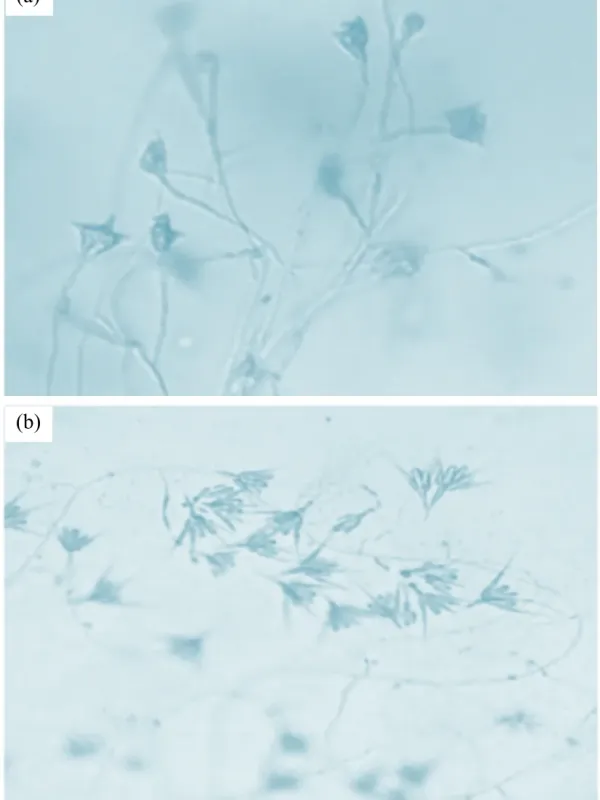
Description
Symptoms
The primary symptom of infection is the browning and eventual softening of the root system. As the disease progresses, the fine root hairs die off, reducing the plant's ability to absorb water and nutrients.
Above-ground symptoms include stunted growth, chlorosis, and wilting during the hottest part of the day, as the root system can no longer meet the plant's transpiration requirements.
In cases of high humidity, a thin, white, or gray fungal mycelium may become visible near the crown of the plant. However, in many cases, the infection remains sub-clinical for a long time.
Seedlings affected by Tetracladium often show uneven emergence, with many failing to develop a robust taproot, leading to patches of dead or weak plants in the field.
Dissection of the roots under a microscope reveals the presence of typical branched conidia, confirming the pathogen's activity within the cortical tissues of the root.
Pathogen
Tetracladium is a genus of aquatic hyphomycetes that can act as opportunistic plant pathogens. In agricultural environments, they are often associated with root decay and reduced plant vigor, especially in overly moist soil conditions.
The fungus is characterized by its distinctively branched conidia, which are evolutionary adapted for dispersal in water. These structures facilitate the spread of the pathogen within irrigated fields or areas prone to waterlogging.
Biologically, Tetracladium species exhibit a mix of saprotrophic and weak parasitic behaviors. While they primarily decompose organic matter, they can colonize weakened root tissues when environmental stress occurs.
The fungus is capable of persisting in the soil for extended periods as mycelium or resistant spores. This persistence makes it a recurring challenge in fields where soil conditions remain consistently damp.
Molecular studies confirm that Tetracladium often co-exists in complex microbial communities on the roots, making its specific pathological role sometimes difficult to isolate without laboratory testing.
Conditions for development
Waterlogging is the single most significant factor promoting the development of Tetracladium. Excess water creates anaerobic conditions in the root zone, weakening the plant's natural defenses.
The fungus thrives in cool to moderate temperatures, typically between +10°C and +20°C. This makes spring-sown crops particularly vulnerable during periods of heavy rainfall.
Poor soil structure and compaction prevent proper drainage and aeration, creating the stagnant conditions that allow Tetracladium to colonize root systems rapidly.
Accumulation of non-decomposed plant residues provides a primary nutrient source for the fungus, allowing it to build up a high inoculum density in the soil.
A lack of crop rotation creates a stable environment for the pathogen, as the fungus can effectively survive between growing seasons on crop debris and in the soil matrix.
Why it matters
The economic impact of Tetracladium infection is primarily linked to yield reduction caused by impaired nutrient uptake and root system degradation.
Early-season attacks lead to poor stand density and seedling mortality, which often necessitates expensive reseeding and reduces overall harvest efficiency.
Infected plants exhibit increased susceptibility to secondary soil-borne pathogens, as their overall health and stress tolerance are significantly compromised by root damage.
Reduced fertilizer use efficiency is a major side effect, as the damaged roots fail to absorb essential minerals, even when they are present in the soil in sufficient quantities.
Repeated cycles of infection lead to soil fatigue, reducing the suitability of the land for sensitive crops and requiring long-term intervention to restore soil health.
Protection
Improving field drainage is the most effective cultural control measure. Ensuring that water does not stagnate around the root zone drastically limits the pathogen's spread.
Seed treatment with broad-spectrum fungicides can protect the developing root system during the critical germination phase, reducing early infection rates.
Proper soil management, including the use of straw decomposers and deep plowing, helps eliminate the sources of inoculum by speeding up the degradation of organic matter.
Implementing strict crop rotation cycles is essential to prevent the buildup of the fungus in the soil over consecutive seasons.
- Monitor soil moisture levels frequently during the early season.
- Use organic amendments to improve soil biological health.
- Apply balanced fertilizers to stimulate root vigor and resilience.
Discussion
No discussions yet — be the first.