
Eucalyptus teratosphaeria leaf blight
Teratosphaeria epicoccoides
Description
Symptoms
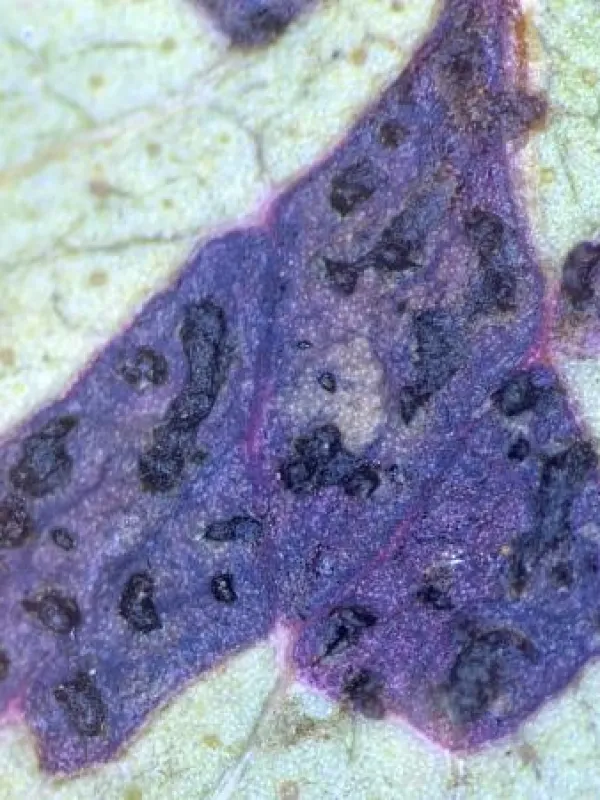
The initial symptoms appear as small, chlorotic spots on the leaf surface, which subsequently darken. As the infection progresses, the center of these spots typically turns necrotic, often showing a brown or greyish color.
Lesions may coalesce over time, covering a large percentage of the leaf area. This leads to premature leaf senescence, distortion of the foliage, and significant loss of photosynthetic activity.
Small, dark fungal fruiting bodies are often visible on the underside of the leaves. These structures are responsible for releasing new spores that further sustain the infection cycle.
In severe cases, premature leaf drop is observed, particularly in the lower canopy levels. The overall appearance of the tree becomes sparse, and growth rates are noticeably hampered.
- necrotic leaf spots with dark margins;
- premature defoliation;
- distortion and curling of young leaves;
- reduced overall tree biomass and height growth.
Pathogen
The disease is caused by the ascomycete fungus Teratosphaeria epicoccoides. This pathogen is a specialized parasite that targets the foliage of various Eucalyptus species, leading to significant structural damage to the leaf tissues.
This condition is classified as a leaf spot disease, characterized by the localized destruction of leaf cells. The fungus utilizes the leaf tissue as a primary substrate for its vegetative growth and the production of reproductive structures.
The life cycle of the pathogen is closely associated with plant debris, where it can survive through unfavorable conditions. Infected fallen leaves serve as the primary reservoir for inoculum during the following season.
Dissemination of the fungus occurs primarily through water splash and air currents, which carry spores to healthy foliage or neighboring trees within the plantation.
Molecular research indicates that the pathogen possesses a high level of genetic variability, which presents challenges for developing resistant tree varieties through traditional breeding.
Conditions for development
High humidity and frequent rainfall are the most critical factors for the development of Teratosphaeria leaf blight. Moist environments are essential for spore germination and mycelial penetration.
The fungus thrives within a moderate to warm temperature range. Stability in temperature, combined with high moisture levels (such as dew or fog), accelerates the spread of the disease.
Dense plantation designs that restrict airflow create a microclimate prone to moisture accumulation. This environment significantly increases the rate of disease transmission between neighboring trees.
Trees suffering from nutrient deficiencies or environmental stress exhibit higher susceptibility to the pathogen. Proper site selection and soil management are therefore crucial for forest health.
Spring and summer seasons, characterized by persistent rainfall, are high-risk periods for the rapid development of infection foci in commercial eucalyptus plantations.
Why it matters
The primary economic impact of Teratosphaeria leaf blight is the substantial reduction in the productivity of eucalyptus stands. The loss of leaf area directly limits the tree's capacity to synthesize energy.
This foliage loss leads to a significant decrease in wood growth and quality, resulting in tangible economic losses for the timber and pulp industries that rely on high-yield plantations.
In nurseries, the disease can cause devastating damage to young seedlings, often leading to mortality or the need for expensive chemical interventions to ensure survival.
Chronic infection weakens the tree's natural defense systems, making it more vulnerable to secondary pests and various opportunistic pathogens that might otherwise be harmless.
Severe and persistent defoliation stunts the development of the canopy, leading to dieback of branches and, in extreme cases, the premature death of the entire tree.
Protection
The most effective strategy for long-term control is the use of genetically resistant Eucalyptus clones and hybrids. Selective breeding programs focus on identifying genotypes that naturally withstand infection.
Sanitary practices are vital; removing infected plant debris and fallen leaves helps reduce the primary inoculum load within the plantation environment, lowering the risk of recurring infection.
Maintaining optimal spacing between trees during planting improves airflow and facilitates quicker drying of the canopy, thereby creating a less favorable environment for fungal growth.
In nurseries and high-value stands, fungicidal treatments (specifically copper-based or systemic fungicides) can be used to protect plants during peak infection periods.
Regular forest health monitoring enables the early detection of disease hotspots, allowing for targeted management interventions before the pathogen spreads to larger areas.
Discussion
No discussions yet — be the first.