
Teratosphaeria leaf disease
Teratosphaeria
Description
Symptoms
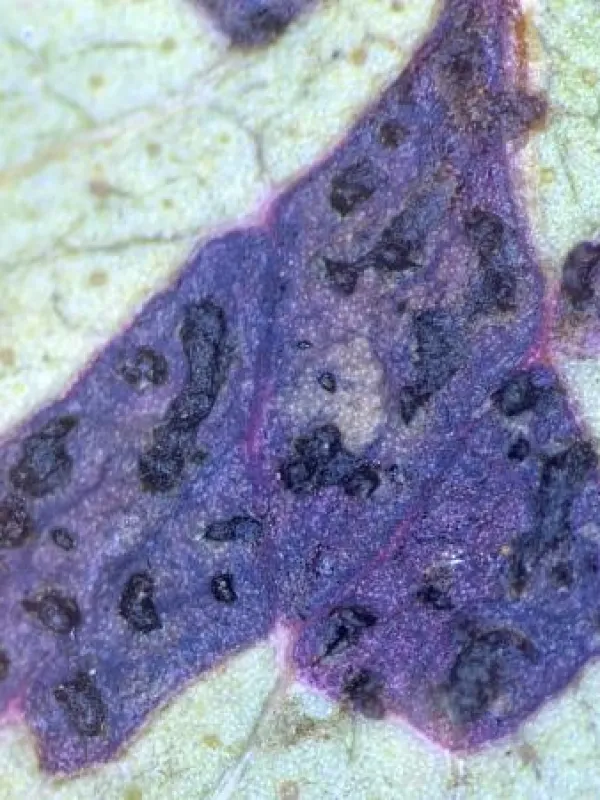
The primary symptom involves the appearance of small, chlorotic spots on leaves that eventually enlarge into necrotic lesions.
The centers of these spots often turn grey or brown, and small black structures (pseudothecia) can be observed under magnification.
Severe infections frequently cause premature leaf drop, resulting in defoliation that weakens the overall vigor of the host plant.
Young shoots may show evidence of twisting or stunted growth as the fungus consumes leaf tissue and disrupts normal development.
In humid conditions, a dark fungal growth may appear on the underside of leaves, indicating heavy sporulation and active colonization.
Pathogen
The disease is caused by fungi of the genus Teratosphaeria, which are specialized pathogens primarily affecting various species of Eucalyptus worldwide.
These ascomycete fungi produce both asexual conidia and sexual ascospores, enabling them to disperse effectively via wind and rain splash.
The pathogen utilizes a complex life cycle, allowing it to remain dormant in plant debris and reactivate when environmental conditions become suitable.
Its ability to infect young, developing leaves makes it particularly damaging to forest nurseries and fast-growing plantation stands.
Genetic diversity within the Teratosphaeria complex poses a challenge for global forest health, as new and more virulent strains continue to emerge.
Conditions for development
High humidity and mild temperatures are the primary environmental drivers that favor the germination and spread of Teratosphaeria spores.
Dense canopies in plantation forests limit airflow, creating a persistent microclimate that supports the development of the pathogen.
Frequent rainfall events play a crucial role in splashing spores from fallen leaves onto the lower canopy, fueling secondary infection cycles.
Host susceptibility increases significantly during periods of rapid vegetative growth, as soft new tissues are easier for the fungus to penetrate.
Stress factors such as poor soil nutrient levels or competition with weeds can exacerbate the impact of the disease on tree health.
Why it matters
The disease causes substantial economic losses by reducing the growth rate and wood quality of timber-producing tree species.
High mortality rates in nurseries due to severe outbreaks can lead to significant financial setbacks for commercial forest operations.
Chronic infection drains the host's energy reserves, making trees more susceptible to secondary attacks by stem borers and other pests.
Large-scale defoliation disrupts the tree's ability to perform photosynthesis, ultimately leading to branch dieback and reduced stand productivity.
The ecological impact includes the disruption of plantation stability, requiring complex reforestation efforts and potential land-use changes.
Protection
The most sustainable management approach is the deployment of resistant or tolerant genetic lines through strategic plant breeding programs.
Implementing proper silvicultural practices, such as adequate spacing, ensures better ventilation and reduces humidity within the forest stand.
Sanitation measures, including the removal and destruction of infected leaf litter, are vital for reducing the inoculum load in the field.
Chemical control using authorized fungicides can be effective in nursery settings to protect young plants during the most vulnerable stages.
Early detection through regular field inspections allows for targeted intervention, which prevents the disease from reaching epidemic proportions.
Discussion
No discussions yet — be the first.