
Tephrocybe graminicola
Tephrocybe graminicola
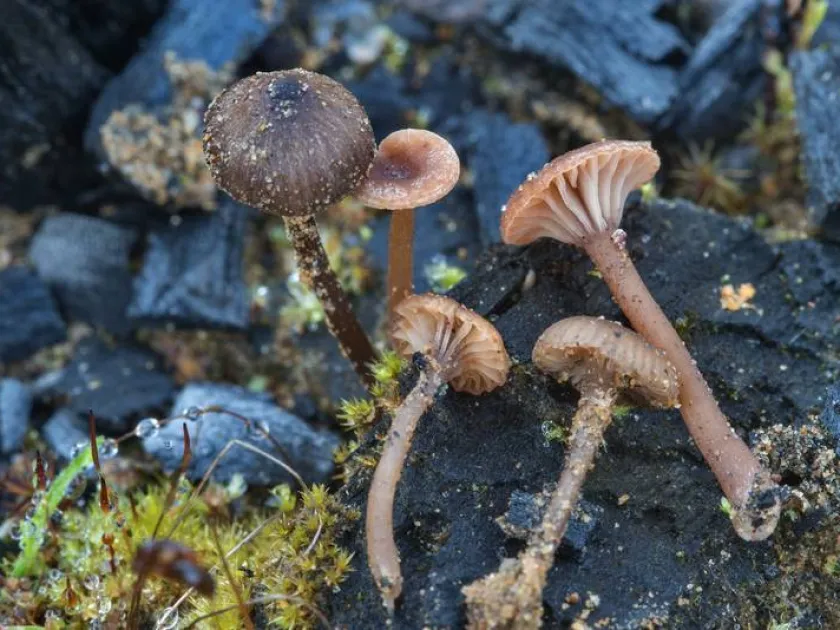
Description
Symptoms
The initial signs of infection often manifest as stunted growth and a general lack of vigor in cereal plants within an affected area.
Lower leaves in contact with the soil surface may show chlorosis followed by rapid tissue necrosis and fungal mycelium growth.
Root systems may appear discolored or brittle, which is a direct consequence of the fungal hyphae infiltrating the plant's vascular tissues.
Small greyish fruiting bodies may appear on the soil surface near the affected plants during periods of extended wet weather.
Patches of sparse or dead seedlings are common in fields where the fungus has managed to establish a significant colony.
Pathogen
Tephrocybe graminicola is a fungus within the Lyophyllaceae family that primarily acts as a saprotroph but can exhibit pathogenic tendencies under specific environmental stressors.
This organism is known to inhabit soil and decaying plant debris, forming small basidiocarps that are characteristic of its taxonomic group.
While not a primary aggressive pathogen, its presence in dense grasslands or cereal fields can indicate a lack of proper soil hygiene.
The biology of this fungus is centered on the decomposition of organic matter, meaning it thrives in environments with high levels of crop residue.
Scientific observation confirms that this species requires specific moisture conditions to transition from a soil dweller to a plant tissue colonizer.
Conditions for development
The development of this fungus is strongly linked to high soil moisture content and high humidity levels around the crop base.
Accumulation of non-decomposed plant residues provides the perfect substrate for the fungus to multiply and spread to healthy tissue.
Cooler temperatures, typically between 12 and 18 degrees Celsius, are optimal for the growth of its mycelial structures.
Poorly aerated soils and compacted fields create a microclimate that prevents the quick evaporation of surface moisture, favoring fungal growth.
Fields with acidic soil conditions are significantly more susceptible to outbreaks of this type of fungal activity.
Why it matters
The primary damage caused by this fungus is the reduction of plant density in the early stages of crop development.
By attacking the root and lower stem tissues, the pathogen restricts water and nutrient uptake, leading to reduced overall biomass.
Infected crops show lowered tolerance to environmental stress, making them susceptible to secondary infections by other, more aggressive pathogens.
If left unmanaged, the cumulative impact on yield can be substantial in highly susceptible crop varieties or poor soil conditions.
Economic losses are mainly due to the need for field reseeding and the costs associated with corrective soil management.
Protection
The most effective strategy is the deep burial of crop residues through plowing to eliminate the substrate required for fungal development.
Crop rotation practices should be strictly enforced to break the life cycle of the pathogen and restore soil health.
Applying proper liming techniques to correct soil acidity is crucial for creating an environment less favorable for this fungus.
Improving soil aeration and drainage systems helps keep the root zone dry and reduces the chances of infection.
- Use high-quality, treated seeds for planting.
- Maintain optimal plant spacing to promote airflow.
- Implement balanced nutrient management to boost plant health.
Discussion
No discussions yet — be the first.