
Description
Symptoms
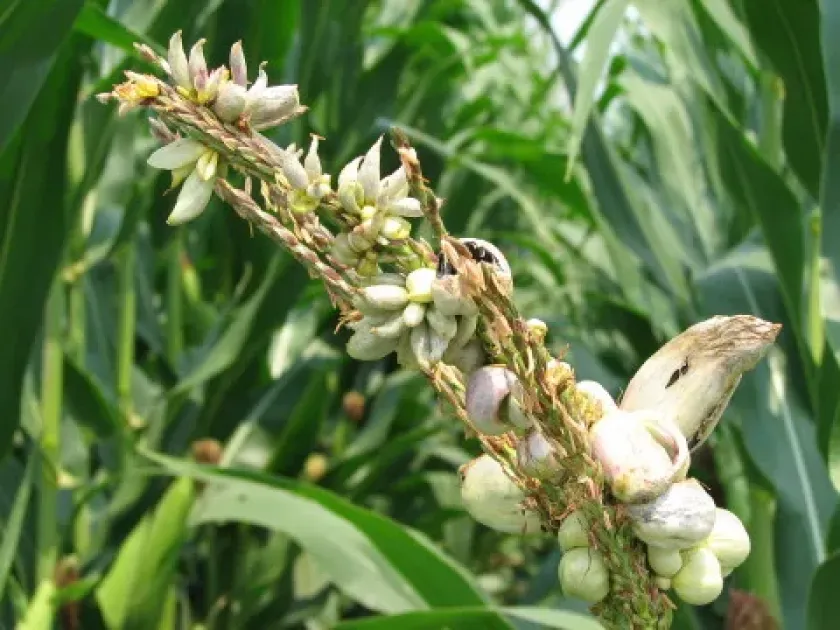
The primary sign of tassel injury is the abnormal development of the male inflorescence, often resulting in a deformed or stunted appearance.
Frequently, the tassel fails to open properly, with florets trapped inside tightly closed glumes, which severely hinders the pollination process.
In some cases, the tassel may become twisted or develop atypical tissue growths that can be visually confused with fungal pathogen infections.
Affected plants often exhibit delayed growth, and the apical part of the stem may show chlorosis, indicating systemic physiological stress.
Sometimes, the entire tassel dries out prematurely before shedding pollen, rendering the plant incapable of contributing to grain formation.
Pathogen
Tassel injury is generally classified as a physiological disorder or a consequence of chemical phytotoxicity rather than a primary biotic pathogen.
The core issue stems from injury to the delicate tissues of the inflorescence during the active development phase inside the corn stalk whorl.
In certain instances, insect pests such as European corn borers or thrips cause mechanical damage to the tassel primordia as they develop.
While symptoms may mimic bacterial or fungal diseases, the primary cause is typically a metabolic disruption in the plant's growth zone.
Biologically, this results in the death of meristematic cells, which are responsible for the proper architecture and function of the inflorescence.
Conditions for development
Extreme temperature fluctuations, particularly late spring frosts, are a major trigger for developmental abnormalities in the corn tassel.
Inappropriate timing of herbicide application is a common cause, leading to chemical burns on the developing reproductive organs.
Extended periods of drought during the late vegetative stages put the plant under stress, affecting its ability to form healthy tassels.
Imbalanced soil nutrition, especially excessive nitrogen coupled with micronutrient deficiencies, can lead to uneven tassel development.
High humidity combined with temperature shifts often encourages the growth of secondary microflora on the already damaged tissues.
Why it matters
The most significant impact of tassel injury is a drastic reduction in pollen shed, leading to poor kernel set and empty cobs.
Reduced pollination efficiency directly correlates with significant yield loss, negatively affecting the economic output per hectare.
Damaged tassels act as entry points for pathogens, facilitating the colonization of ears by fungi that produce harmful mycotoxins.
A damaged apex weakens the plant's overall immunity, making it more susceptible to further stalk rots and environmental pressures.
In severe cases, widespread tassel injury can lead to a 10–30% decline in maize production, threatening harvest targets.
Protection
Strict adherence to label instructions and application windows for pesticides is crucial to prevent chemical damage to the developing tassel.
Selecting corn hybrids known for their tolerance to environmental stress and climatic volatility can significantly mitigate these risks.
Ensuring balanced mineral nutrition, particularly the availability of zinc and boron, helps strengthen plant tissues against stress factors.
Regular field scouting is essential to identify and manage insect pests effectively before they cause irreversible damage to the reproductive organs.
Adjusting planting dates to avoid exposing the crop's sensitive developmental stages to known historical periods of extreme weather is highly recommended.
Pathogens and affected parts
Affects crops · 1
Discussion
No discussions yet — be the first.