
Tarzetta catinus
Tarzetta catinus
Description
Pathogen
Tarzetta catinus is a cup fungus belonging to the Pyronemataceae family. While it is primarily a saprotroph that decomposes organic matter, it can occasionally affect the root zones of living plants in nursery conditions.
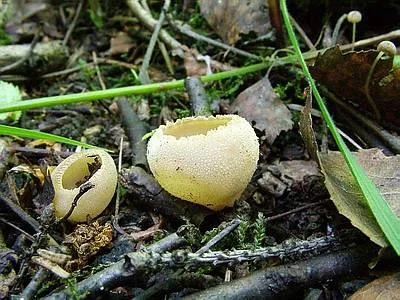
The fungus produces distinctive cup-shaped fruiting bodies that are cream to light brown in color, typically found in moist, shaded environments.
The life cycle involves the production of spores that are easily dispersed by wind and splashing water, allowing the fungus to colonize new substrates rapidly.
Biologically, the mycelium is highly efficient at breaking down cellulose and lignin, which helps the fungus thrive in nutrient-rich organic layers.
In an agricultural context, its presence is often noted when it competes with young plants for soil space and creates an unfavorable microenvironment for root development.
Conditions for development
The development of Tarzetta catinus is heavily dependent on moisture levels, preferring consistently damp soils with poor drainage.
Shaded locations with high organic content in the soil provide the optimal environment for the proliferation of its mycelial network.
Temperatures ranging from moderate to warm, combined with high humidity, trigger the rapid growth of the fungal fruiting bodies above the ground.
Soil compaction serves as a major contributing factor, as it limits oxygen availability and forces root systems to grow in zones potentially infested by the fungus.
In nursery production, over-irrigation and overcrowding of seedlings create the perfect setting for this fungus to establish itself around the root collars.
Why it matters
The primary damage caused by this fungus is the suppression of root activity, which hinders the uptake of water and essential minerals.
Plants affected by the presence of this fungus exhibit stunted growth, reduced vigor, and increased sensitivity to environmental stresses like drought.
The presence of Tarzetta catinus near root systems can lead to localized necrosis, making the plant susceptible to secondary pathogen attacks.
In commercial nurseries, the cosmetic damage to seedlings and loss of growth uniformity result in significant economic impacts for producers.
Chronic infestation can lead to a decline in plant health, particularly in young saplings that have not yet established a robust, deep root system.
Protection
Preventative measures are essential, starting with improving soil drainage to ensure that excess water does not promote fungal growth.
Sanitation practices, such as clearing debris and removing heavily infested organic material, can significantly reduce the potential inoculum load.
Fungicidal applications should be targeted towards the root zone if the infestation is localized and affecting the growth of nursery stock.
Maintaining proper soil aeration through mechanical tilling or adjusting the soil pH can help create an environment that is less hospitable to the fungus.
- Regular monitoring of root health in high-density plantings.
- Proper spacing of plants to ensure good airflow at the base.
- Using sterilized potting media to avoid introducing the fungus into nursery environments.
Discussion
No discussions yet — be the first.