
Tarzetta
Tarzetta
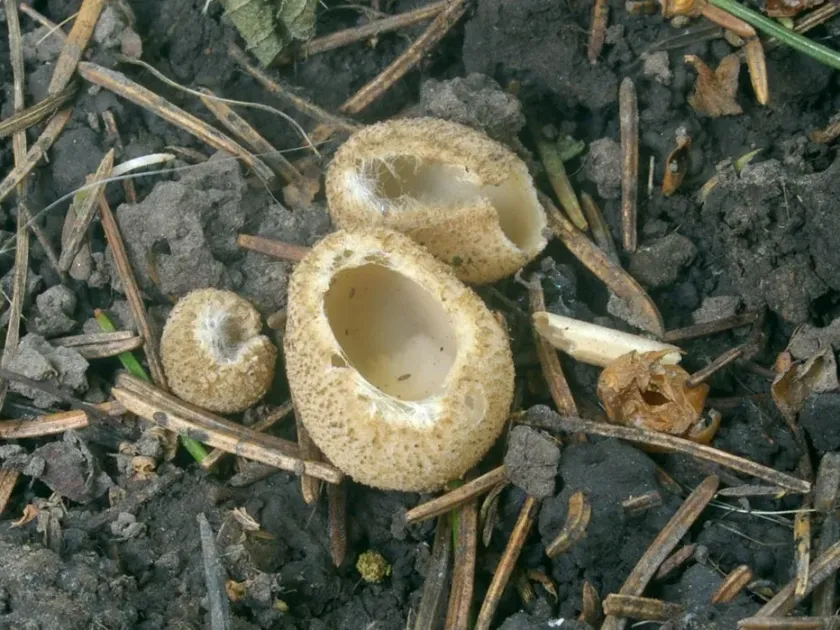
Description
Symptoms
The most distinctive sign of Tarzetta is the presence of small, cup-shaped fungal bodies emerging from the surface of the soil.
These apothecia often appear in clusters, with colors ranging from pale white to yellowish or brownish hues, depending on the species and environmental moisture.
A fine, white, thread-like mycelium may be observed spreading across the soil surface or surrounding the base of seedlings or potted plants.
Unlike common root rot diseases, the plant tissue itself remains firm, although it may appear stunted due to competition for resources.
The soil surrounding the fungus may exhibit a slightly altered texture or color due to the enzymatic breakdown of organic matter by the fungal mycelium.
Pathogen
Tarzetta is a genus of fungi within the family Pyronemataceae, belonging to the order Pezizales of the Ascomycota division.
These organisms are primarily saprotrophic, meaning they derive nutrients from decaying organic matter in the soil and leaf litter.
They are characterized by the production of cup-shaped or goblet-shaped apothecia, which are the visible reproductive structures of the fungus.
The mycelium of Tarzetta typically colonizes rich, moist soil environments where organic decomposition is actively occurring.
While they are not aggressive plant pathogens, their biological presence is often an indicator of high organic content and moisture levels in the substrate.
Conditions for development
Tarzetta thrives in cool, shaded environments where the soil surface remains consistently moist and well-protected from direct sunlight.
High levels of undecomposed organic matter, such as wood chips, bark, or leaf mold, provide an ideal food source for the rapid development of the fungus.
Poor aeration within the soil profile, combined with excessive irrigation, creates the perfect microclimate for mycelial expansion and spore germination.
The presence of dense vegetation or covers that prevent evaporation helps maintain the humidity levels required for the formation of fruiting bodies.
Optimal growth temperatures generally fall within a moderate range, typical of temperate climates during spring or autumn months.
Why it matters
Although Tarzetta is generally harmless to healthy plants, its presence can be problematic in nursery operations and greenhouse settings.
The dense network of mycelium can physically impede water infiltration, leading to uneven moisture distribution in the root zone.
By consuming available organic nutrients, the fungus may outcompete beneficial soil microorganisms that are essential for plant nutrient uptake.
In highly infested soils, the compaction caused by the mycelial mass can reduce root zone oxygenation, leading to slight physiological stress in young plants.
Furthermore, the presence of these mushrooms is often aesthetically displeasing and can cause concern for growers regarding the overall hygiene of the growing medium.
Protection
Effective management begins with improving soil drainage to prevent the long-term waterlogging of the surface substrate.
Removing potential food sources, such as accumulated wood debris or dense organic mulches, is critical for limiting fungal growth.
Regular cultivation or stirring of the topsoil layer improves aeration and encourages the substrate to dry out more quickly, hindering mycelial development.
Manual removal of visible fruiting bodies before they release spores can help prevent further colonization and reduce the inoculum load.
If chemical intervention is necessary, the use of environmentally friendly bio-fungicides or localized treatments can help balance the soil microbiome.
Discussion
No discussions yet — be the first.