
Taphrina leaf curl
Taphrinomycotina
Description
Symptoms
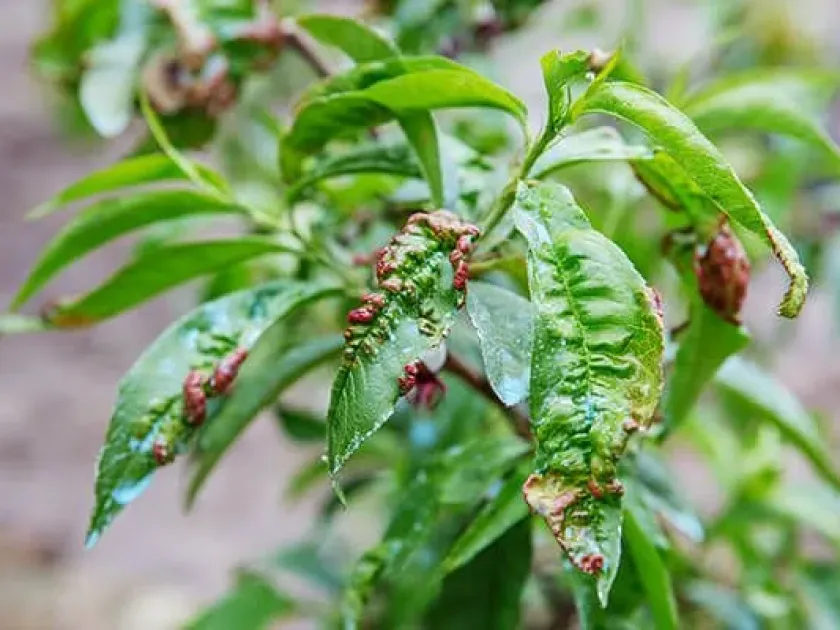
The most prominent symptom of infection by Taphrina fungi is the characteristic deformation of leaves, commonly referred to as leaf curl. Leaves become thickened, puckered, and twisted, often displaying bright red or yellow discolorations.
A dusty white bloom appears on the underside or surface of the deformed leaves; this substance is the fungus's reproductive structures, known as asci, which release spores to spread the infection.
Infected shoots often exhibit stunted internodes, swelling, and twisting. This gives the branches a distorted appearance, frequently resulting in premature leaf drop and the exposure of the tree's underlying structure.
Fruit may also be affected, developing blister-like lesions and becoming deformed or discolored. In severe cases, infected fruit may drop prematurely, significantly reducing the overall harvest.
The disease often weakens the tree's physiological status, leading to a stunted growth habit and a general decline in the tree's health and aesthetic value over several seasons.
##pathogen##Taphrina leaf curl is caused by various species of fungi within the subphylum Taphrinomycotina. These organisms are obligate parasites that target specific hosts, most notably stone fruits such as peaches, nectarines, and plums.
The pathogen overwinters as dormant spores in the crevices of the bark or under the scales of dormant buds. As the tree breaks dormancy in the spring, the fungus infects the newly emerging leaf tissues.
Upon infection, the fungal mycelium colonizes the intercellular spaces and releases substances that stimulate excessive cell division in the host plant, resulting in the characteristic tissue distortion.
The life cycle is tightly synchronized with the growth of the host plant. The fungus completes its reproductive stage on the surface of the symptomatic foliage, producing spores that are wind-dispersed to neighboring trees.
Because the fungus is host-specific, managing the disease requires understanding the particular biological interactions between the specific Taphrina species and its designated fruit crop host.
Conditions for development
Cool, moist weather conditions are essential for the development and spread of Taphrina. The disease is most severe when temperatures range from 10°C to 15°C during the bud-break and leaf expansion stage.
Extended periods of rain or heavy morning fog during the early spring provide the high humidity levels necessary for spore germination and successful infection of tender leaf tissues.
Orchards located in low-lying areas or those with poor air circulation are more prone to infection due to the accumulation of moisture on the foliage, which favors the fungus.
A lack of sunlight and cold, wet spring seasons can prolong the susceptible period of the tree, allowing the fungus more time to infect the emerging growth successfully.
Conversely, warm and dry weather conditions tend to inhibit the spread of the pathogen, as the spores require moisture to germinate and survive on the plant surface.
Why it matters
The primary damage caused by leaf curl is the loss of photosynthetic capacity due to premature defoliation. This depletes the tree's carbohydrate reserves and weakens its overall metabolic function.
Repeated annual infections force the tree to expend significant energy to re-grow foliage, leading to long-term decline, reduced fruit production, and diminished winter hardiness.
Economic losses are significant, resulting from both lower yields and the production of unmarketable, deformed fruit that does not meet industry quality standards.
If left untreated, young trees can suffer from stunted growth, while mature trees may eventually lose productivity and experience dieback of branches and twigs.
High management costs, including the regular application of chemical controls and the necessity of intensive pruning, are common burdens for commercial orchardists dealing with this disease.
Protection
The most effective management strategy is the application of protective fungicides during the dormant period. A single, thorough spray just before bud swell in the spring is often sufficient to prevent infection.
Copper-based fungicides are the standard chemical control, as they form a protective layer over the buds, preventing the spores from germinating and entering the leaf tissue.
Sanitation is a critical cultural control measure. Growers should remove and destroy infected foliage and pruned branches to reduce the amount of inoculum present in the orchard for the following season.
Proper orchard management, including pruning to improve air circulation and sunlight penetration, helps lower the humidity around the foliage and reduces the risk of fungal establishment.
Maintaining tree vigor through appropriate fertilization and water management ensures that trees are better able to recover from environmental stress and resist the damaging effects of the pathogen.
Discussion
No discussions yet — be the first.