
Taphrina tormentillae
Taphrina tormentillae
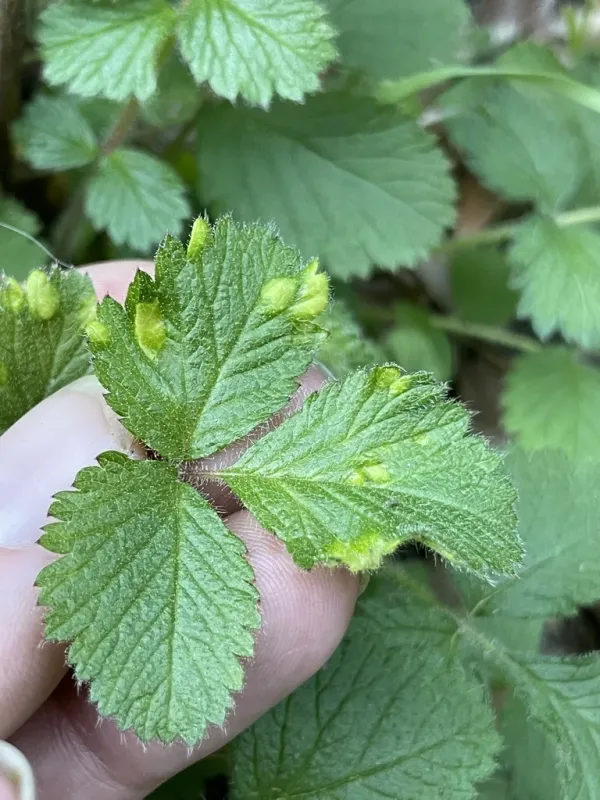
Description
Symptoms
The primary symptom is the distinctive curling and deformation of leaves and young stems. The tissues lose their natural shape, becoming distorted and uneven.
Affected tissues often exhibit abnormal discoloration, ranging from pale yellow to a reddish hue, which reflects a disruption in metabolic processes and chlorophyll content.
A waxy or velvety layer of fungal spores forms on the surface of the lesions. This appearance is typically whitish or pale cream in color, indicating active sporulation.
Shoots often show significant thickening and twisting, leading to stunted overall plant growth. In severe cases, the infected parts may become brittle and lose their structural integrity.
Unlike some other fungal infections, the symptoms of Taphrina tend to cover larger segments of the shoots, leading to a noticeable overall change in the plant's architecture.
Pathogen
The disease is caused by the sac fungus Taphrina tormentillae. It is an obligate parasite that specifically affects plants belonging to the Potentilla (cinquefoil) genus.
The fungus develops its mycelium within the host's plant tissues, occupying the intercellular spaces of the epidermis and mesophyll. It overwinters as mycelium in infected buds or stem tissues, ensuring its survival between seasons.
During the growing season, the fungus produces a layer of asci (spore-sacs) on the surface of the infected organs. This occurs directly on the surface without the formation of complex fruiting bodies, which is typical for the Taphrina genus.
Spore dispersal is facilitated primarily by wind, rain splashes, and insects. Upon landing on susceptible healthy tissue, the spores germinate, provided there is sufficient surface moisture.
The biological cycle of Taphrina tormentillae is strictly synchronized with the phenological phases of the host plant, with peak activity during spring growth cycles.
Conditions for development
The development of the fungus is highly dependent on cool and moist weather conditions in early spring. Temperatures between 10 and 18 degrees Celsius are considered optimal for the pathogen.
High humidity, frequent morning fogs, and prolonged spring rainfall create the perfect environment for the germination of spores and the successful infection of host tissues.
Plants located in shaded or poorly ventilated areas are at a higher risk of developing the disease. Dense planting structures prevent rapid drying of foliage, which favors the fungus.
The period of active spring shoot elongation is the most vulnerable time. At this stage, the cuticle is not yet fully developed, allowing the fungal hyphae to penetrate the epidermis more easily.
An initial infection carried over from the previous year is the primary trigger for the disease to reappear as soon as environmental conditions become conducive again.
Why it matters
The primary damage is the loss of the plant's ornamental appeal. Distorted leaves and stems severely compromise the aesthetic value of the garden display.
The disease causes premature leaf drop, which reduces the plant's photosynthetic capacity and weakens its overall vigor throughout the growing season.
As the plant diverts energy to recover from the stress of the infection, it may fail to produce an adequate number of flowers, resulting in poor blooming performance.
Chronic infestation weakens the root system, making the plant more susceptible to winter frost damage and other secondary environmental stresses.
Without proper management, systemic infection can lead to the slow decline and eventual death of individual branches or the entire plant cluster over several seasons.
Protection
The most important measure is the prompt pruning and destruction of all infected plant parts. Pruning should be carried out before the spores release to effectively limit the spread.
Preventive spraying with copper-based fungicides in the early spring is highly effective. Applications must be done before bud break to neutralize overwintering spores.
Improving air circulation around the plants through correct spacing and thinning is essential. This helps to reduce the moisture levels that the fungus needs to thrive.
Balanced fertilization, particularly with potassium, helps strengthen the cell walls and improves the plant's natural resistance to fungal invasion.
- Perform regular inspections during the spring.
- Always sanitize garden tools after cutting diseased sections.
- Apply systemic fungicides if the infection becomes widespread.
Discussion
No discussions yet — be the first.