
Tapesia fusca
Tapesia fusca
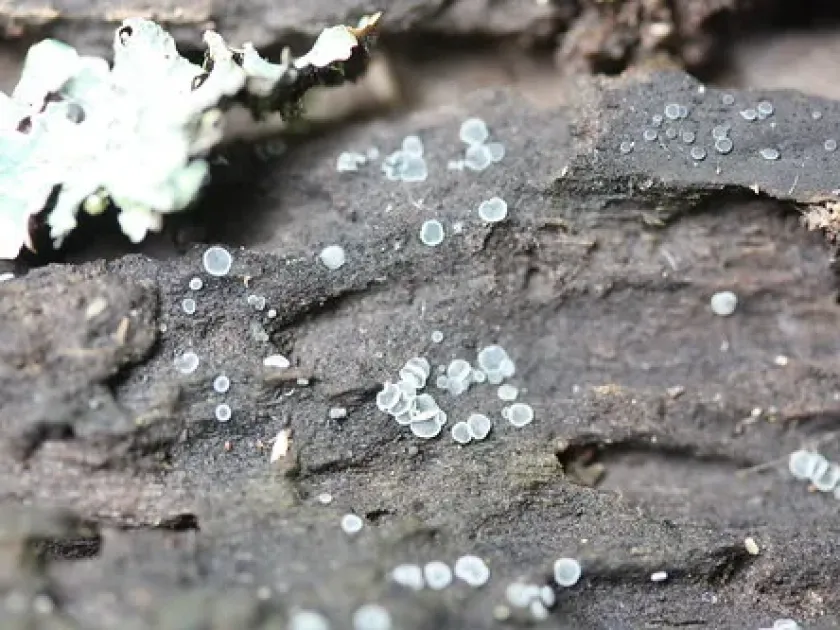
Description
Pathogen
Tapesia fusca is a fungus of the Helotiales order, recognized as a significant plant pathogen. It forms small, saucer-shaped apothecia, which are dark-colored fruiting bodies essential for its sexual reproduction cycle.
The fungus is characterized by its ability to persist in plant debris for extended periods. It survives as mycelium, remaining dormant in the soil until environmental conditions allow for its reactivation and sporulation.
The spread of the infection is primarily mediated by ascospores and conidia, which are easily dispersed by wind and splashing rain. Upon landing on susceptible tissue, these spores germinate and begin the colonization process.
Tapesia fusca acts as a hemibiotroph, initially colonizing organic matter before invading living plant tissues. This versatile lifestyle contributes to its survival in various agricultural environments.
Research into the genetic diversity of the pathogen is crucial for understanding its adaptation strategies. Understanding its lifecycle helps in developing targeted interventions to minimize its impact on crops.
Conditions for development
The development of Tapesia fusca is heavily dependent on moisture. High humidity levels and prolonged wet periods are the primary drivers for the formation of its fruiting bodies.
Optimal temperatures for the fungus range from 10°C to 18°C. These conditions are typically found in the spring and autumn, which are the most critical times for infection spread.
Fields with minimal tillage or no-till practices tend to accumulate higher levels of inoculum. The presence of crop residues on the soil surface provides the necessary substrate for the fungus to thrive.
Dense canopies and poor air circulation within the crop stand create a microclimate that traps moisture, promoting fungal growth. Such conditions significantly increase the susceptibility of the host plant.
Stress factors such as nutrient deficiency or drought preceding wet weather can weaken the plant, making it more vulnerable to colonization by Tapesia fusca.
Why it matters
The damage caused by the pathogen includes the degradation of cellular structure and internal tissues. This interference with vital physiological processes leads to a decline in plant health.
Stem infection is particularly dangerous as it reduces the mechanical strength of the crop, causing lodging. This significantly hampers the harvesting process and leads to substantial yield losses.
By disrupting the vascular system, the fungus limits the transport of nutrients to the grain, leading to poor grain filling. This results in reduced grain quality, lower weight, and decreased marketability.
Infection by Tapesia fusca often leaves the plant susceptible to secondary opportunistic pathogens. This complex infection pattern can accelerate the decline of the crop stand.
The economic impact is multifaceted, involving both direct losses from damaged crops and the indirect costs of managing the disease through intensive fungicide applications.
Protection
Implementing a proper crop rotation strategy is the most effective way to manage the disease. Rotating susceptible hosts with non-host crops helps to break the pathogen's lifecycle.
Mechanical destruction of crop residue through deep plowing helps bury infected materials, accelerating their decomposition and reducing the available inoculum in the field.
Timely application of systemic fungicides, particularly those containing triazoles, is recommended when environmental conditions are conducive to infection and early symptoms appear.
Balanced fertilization, with a focus on phosphorus and potassium, improves the structural integrity of the plant cells, making them more resilient to fungal invasions.
- Regular scouting to detect early infection symptoms.
- Selection of cultivars with documented disease resistance.
- Effective weed control to reduce reservoirs of infection.
Discussion
No discussions yet — be the first.