
Synchytrium fulgens
Synchytrium fulgens
Description
Symptoms
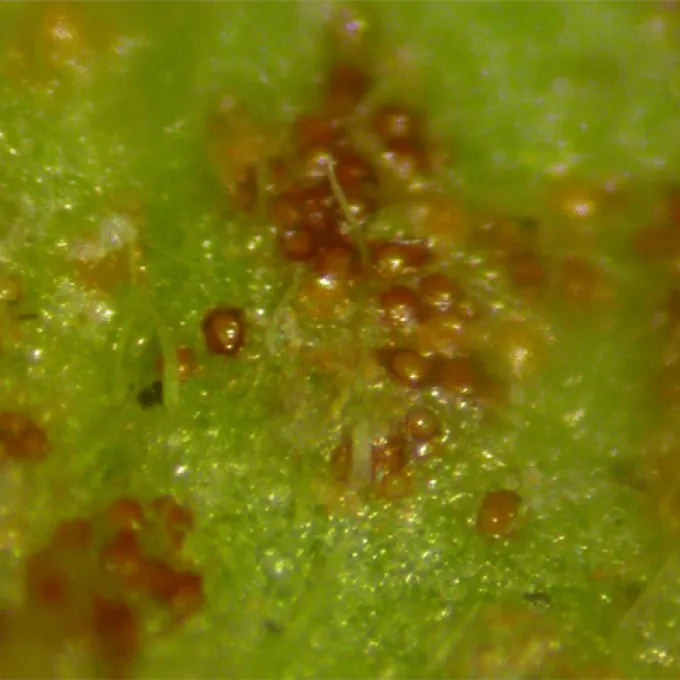
The primary symptom of infection is the development of small, wart-like galls on leaves, petioles, and stems, which may exhibit a yellow or reddish hue.
These galls tend to enlarge and merge over time, causing significant deformation of the plant's structural organs and hindering normal development.
Affected tissues may lose their luster or, conversely, appear shiny due to surface changes triggered by the pathogen's influence on the cuticle.
As the infection progresses, leaves may turn yellow prematurely and wither due to the interference with photosynthesis and nutrient transport systems.
Early diagnosis is often difficult, as initial symptoms may appear as minor swelling, requiring microscopic examination for definitive identification.
Pathogen
Synchytrium fulgens is a microscopic chytrid fungus that acts as an obligate parasite, primarily affecting members of the Primulaceae family.
The fungus completes its life cycle by forming zoospores, which facilitate movement in aqueous environments, and resting spores that ensure survival under adverse conditions.
By infecting epidermal cells, the parasite induces abnormal cell division, leading to the formation of tumor-like growths known as galls on the host plant.
The pathogen is highly specialized, having evolved mechanisms to manipulate the host cell metabolism to favor its own development and sporulation.
Resting spores are known for their extreme durability, allowing the fungus to remain viable in the soil for several years, which complicates long-term management.
Conditions for development
High moisture levels are critical for the development of Synchytrium fulgens, as zoospores require a film of water on plant surfaces to travel and infect new cells.
Moderate temperatures generally favor the rapid germination of spores and subsequent colonization of host tissues during the active growing season.
Frequent rainfall, fog, or overhead irrigation creates a microclimate with high relative humidity, promoting the spread of the pathogen within the plant population.
Dense planting densities reduce airflow, maintaining high humidity around the foliage and significantly increasing the risk of widespread infection.
Contaminated soil serves as the primary reservoir for the fungus, especially in areas where susceptible host plants are grown consecutively without rotation.
Why it matters
The disease causes significant stress to the host, resulting in stunted growth, reduced vigor, and lower overall productivity of the plant.
In ornamental plants, the presence of galls severely impacts aesthetic value, rendering the plants unsuitable for commercial use or landscaping purposes.
Severe infestations can lead to the widespread collapse of plant tissues, ultimately causing the death of the host if left unmanaged.
The economic impact includes potential crop losses, increased costs for quarantine measures, and the necessity for destructive sanitation procedures.
Weakened plants are often more susceptible to secondary pathogens, which further complicates the health of the entire cultivated crop.
Protection
The most effective strategy for managing Synchytrium fulgens is strict adherence to phytosanitary practices, such as ensuring only healthy plant material is introduced.
Regular scouting of crops is essential to identify and remove infected plants promptly, preventing the dispersal of spores to healthy areas.
Crop rotation is vital to break the life cycle of the fungus, preventing the buildup of resting spores in the soil over several growing seasons.
Fungicidal treatments can be employed as a preventative measure, specifically targeting conditions that promote zoospore activity and germination.
- Optimizing irrigation to avoid persistent wet foliage.
- Improving site ventilation to reduce relative humidity.
- Disinfecting all garden tools and equipment after use.
- Deep cultivation or soil removal in severely contaminated areas.
Discussion
No discussions yet — be the first.