
Syncephalastrum
Syncephalastrum
Description
Symptoms
Infection is typically manifested by the appearance of a dense, dark-grey or blackish, cottony mold on the surface of plant parts, such as fruits, leaves, or seeds.
In stored products, the disease causes soft rot, where the internal tissues of the produce rapidly turn into a watery, mushy mass due to cellular degradation.
When seeds are affected, they often show reduced viability, dark discoloration, and may fail to germinate if colonization occurs shortly after planting in moist soil.
The infection often initiates at sites of mechanical injury, insect feeding sites, or natural openings where the protective epidermal barrier is compromised.
A foul, musty odor is frequently associated with advanced stages of rot, indicating active decomposition and the presence of widespread fungal sporulation.
Pathogen
Syncephalastrum is a genus of zygomycete fungi within the order Mucorales. The most widely studied species, Syncephalastrum racemosum, is primarily recognized as a common soil-borne saprotroph.
While often acting as a saprophyte on decaying organic matter, this fungus can behave as an opportunistic pathogen when environmental conditions favor its rapid growth.
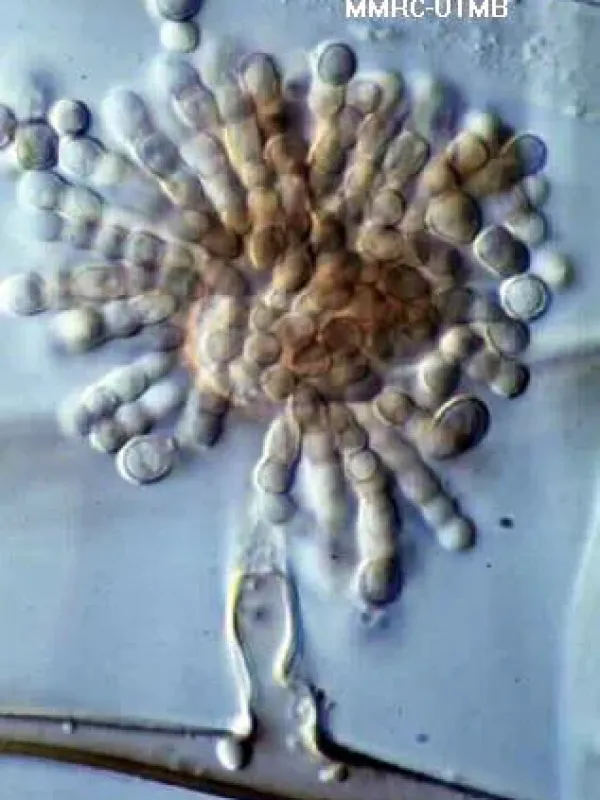
The fungus is characterized by its distinctively branched sporangiophores, which carry cylindrical, multi-spored merosporangia arranged in a radial pattern on a vesicle.
Its mycelium exhibits an aggressive growth rate, allowing it to quickly colonize substrates and outcompete other microorganisms under warm, humid conditions.
The fungus is highly proficient at enzyme secretion, which enables it to break down complex plant tissues, facilitating rapid decay in susceptible host plants.
Conditions for development
High relative humidity is the primary environmental driver for the proliferation of Syncephalastrum, as the fungus requires significant moisture for spore germination.
As a thermophilic fungus, it thrives at temperatures between 25°C and 35°C, making it a particularly troublesome pathogen during warm growing seasons or poorly ventilated storage.
Poor aeration in storage facilities leads to stagnant air, allowing moisture to condense on the surface of produce and creating an ideal microclimate for the mold to spread.
Mechanical damage during harvest or transport serves as a critical entry point, significantly increasing the probability of rapid colonization by airborne fungal spores.
The presence of excess plant debris or decaying organic matter in the vicinity of crops provides a ready reservoir for the fungus to establish its population.
Why it matters
The most significant economic impact is the degradation of harvest quality, leading to total loss of market value for fruits, vegetables, and grain crops.
Reduced germination rates in affected seed lots can lead to poor plant stands in the field, necessitating costly replanting or reducing final yields.
The potential for mycotoxin production in infected tissues poses food safety risks, rendering the produce unfit for consumption by humans or livestock.
The rapid spread of the fungus in storage environments can lead to complete loss of entire warehouse inventories within a very short period due to its fast sporulation cycle.
Secondary infections by various bacteria are common after Syncephalastrum has compromised the physical integrity of the plant, further accelerating tissue decay.
Protection
Effective management begins with strict adherence to climate control in storage facilities, focusing on maintaining low humidity and proper air circulation.
Sanitation of storage units and farm equipment is crucial to eliminate overwintering spores and prevent the build-up of fungal inoculum before the new season.
- Seed treatment with appropriate fungicides to protect against soil-borne infection.
- Implementation of crop rotation to break the disease cycle in the field.
- Careful handling during harvest to minimize mechanical wounding of fruits.
- Regular monitoring of stored produce to remove symptomatic units early.
Integrated pest management strategies that reduce damage from insects are essential, as these pests often facilitate the initial entry of the fungal pathogen.
In field production, the application of fungicides during periods of high precipitation can help mitigate infection risks, particularly in susceptible cultivars.
Discussion
No discussions yet — be the first.