
Sydowiellaceae
Sydowiellaceae
Description
Symptoms
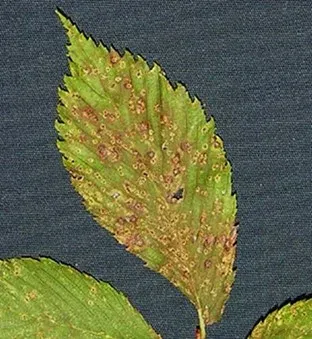
The primary symptom of a Sydowiellaceae infection is the development of necrotic lesions on leaves, which gradually expand, leading to chlorosis and premature abscission.
Affected twigs and branches often exhibit characteristic cankers or sunken areas, which can result in the dieback of distal portions of the plant canopy.
Small black fruiting bodies, known as perithecia or pycnidia, may emerge through the bark or leaf surface as the fungus enters its reproductive phase.
Fruit infection is often hidden, with internal rotting occurring without immediate visible changes to the outer shell of the nut or fruit.
In severe cases, the infected trees show signs of decline, such as thinning canopy and reduced terminal growth compared to healthy neighboring trees.
Pathogen
Sydowiellaceae is a family of ascomycetous fungi within the order Diaporthales, recognized as a significant group of phytopathogens affecting various tree and shrub species.
A notable species within this family, Gnomoniopsis smithogilvyi, has gained attention for its destructive impact on chestnut orchards in different regions.
The biological cycle of these fungi typically involves the formation of perithecia within host tissues, which serve as the primary source of survival during cold or dry seasons.
These fungi employ both sexual and asexual reproduction, allowing them to rapidly produce inoculum and infect healthy tissues once environmental conditions become favorable.
The pathogen utilizes specialized structures to penetrate the plant surface, often favoring points of injury or natural openings to establish its mycelial network.
Conditions for development
Cool and humid weather conditions are the primary drivers for the infection process, as moisture is essential for spore germination and colonization.
High relative humidity and frequent rainfall episodes throughout the growing season create the perfect environment for the pathogen to thrive and spread.
Poor orchard sanitation, characterized by the accumulation of leaf litter and debris, provides an ideal overwintering substrate for the fungal mycelium.
Dense planting patterns that restrict airflow can create a stagnant microclimate, facilitating higher infection rates due to prolonged leaf wetness.
Host stress caused by drought, poor soil management, or existing mechanical wounds significantly lowers the plant's resistance, making it prone to attack.
Why it matters
The economic impact of Sydowiellaceae is largely driven by losses in fruit quality, where internal decay renders the harvest unmarketable and difficult to sort.
Continued damage to the vegetative system reduces the plant's photosynthetic capacity, which directly translates into lower vigor and reduced annual yields.
The loss of branches and terminal shoots requires labor-intensive corrective pruning and can eventually lead to the death of individual trees.
Producers face rising costs associated with intensive chemical control programs and the potential need for premature orchard replanting.
The hidden nature of some infections complicates market logistics, as contaminated batches may lead to rejection at the point of sale.
Protection
Rigorous orchard sanitation is the most effective preventative measure; all fallen leaves, fruit mummies, and pruned branches should be collected and destroyed.
Proper pruning techniques that enhance light penetration and air circulation throughout the canopy help to minimize the development of favorable conditions for fungal growth.
Strategic application of fungicides during critical infection windows, such as budding or blooming, can significantly reduce the pressure of primary inoculum.
Maintaining high plant health through balanced fertilization and appropriate irrigation helps trees build natural defenses against fungal invasion.
Disinfecting pruning tools between trees is a standard practice to prevent the accidental transmission of spores and mycelium across the plantation.
Discussion
No discussions yet — be the first.