
Subulicystidium
Subulicystidium
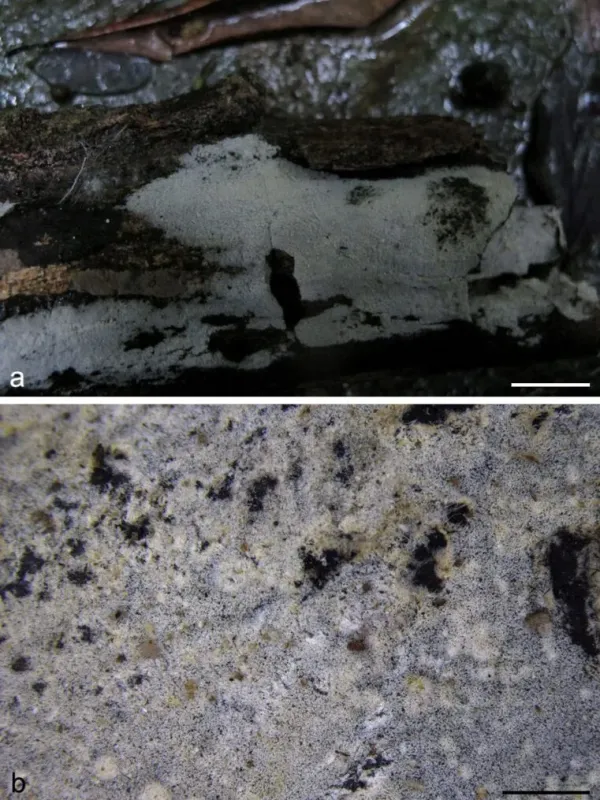
Description
Pathogen
The genus Subulicystidium belongs to the group of basidiomycete fungi primarily recognized as wood-decaying xylotrophs.
These fungi play a crucial role in ecological nutrient cycling by breaking down complex structural components of wood such as cellulose and lignin.
Unlike obligate plant pathogens that attack healthy tissues, Subulicystidium typically colonizes dead or dying woody substrates.
The taxonomic identity of the genus is supported by its specific microscopic structures known as subulicystidia, which appear on the fungal fruit bodies.
While they are not considered primary agricultural pests, their presence often indicates a state of decline or decay in the host plant.
Conditions for development
Environmental conditions conducive to Subulicystidium development include high ambient humidity and the presence of moist wood surfaces.
The fungus spreads via basidiospores that are dispersed by wind currents, allowing it to colonize new deadwood resources efficiently.
Optimal growth usually occurs in temperate climates during moist seasons, particularly in sheltered or shaded areas with limited sunlight.
Accumulated dead organic matter, such as fallen branches, logs, and unremoved tree stumps, provides the necessary substrate for mycelial growth.
Persistent moisture on tree trunks due to poor aeration or lack of canopy management also increases the likelihood of fungal colonization.
Why it matters
Direct damage to healthy, vigorous crops is rare because the fungus lacks the mechanisms required to infect living, immune-active tissues.
The primary concern is the accelerated decay of wood in trees that are already weakened by environmental stress, pests, or other diseases.
In ornamental landscaping and orchards, the presence of these fungi indicates significant wood death, which may lead to structural instability of the tree.
In forestry contexts, the uncontrolled proliferation of xylotrophic fungi can reduce the overall quality and commercial value of standing timber.
Ultimately, the fungus acts as an indicator species, highlighting the presence of decaying tissues that require management to maintain tree longevity.
Protection
Effective management strategies center on maintaining site hygiene to limit the accumulation of favorable substrates for the fungus.
Removing dead branches, clearing fallen logs, and extracting stumps are essential steps in reducing the fungal spore load in a given area.
Proper wound management, including the application of protective sealants after pruning, is vital to prevent spores from entering the tree's internal structure.
Promoting tree health through appropriate irrigation and nutrient management enhances the tree’s natural defenses against colonization by secondary fungi.
- Prune dead or diseased branches annually.
- Remove rotting stumps from the orchard vicinity.
- Apply high-quality wound dressings to all major cuts.
Discussion
No discussions yet — be the first.