
Stropharia squamosa
Stropharia squamosa
Description
Symptoms
Stropharia squamosa is a mushroom species commonly found in environments rich in decaying vegetable matter and wood debris.
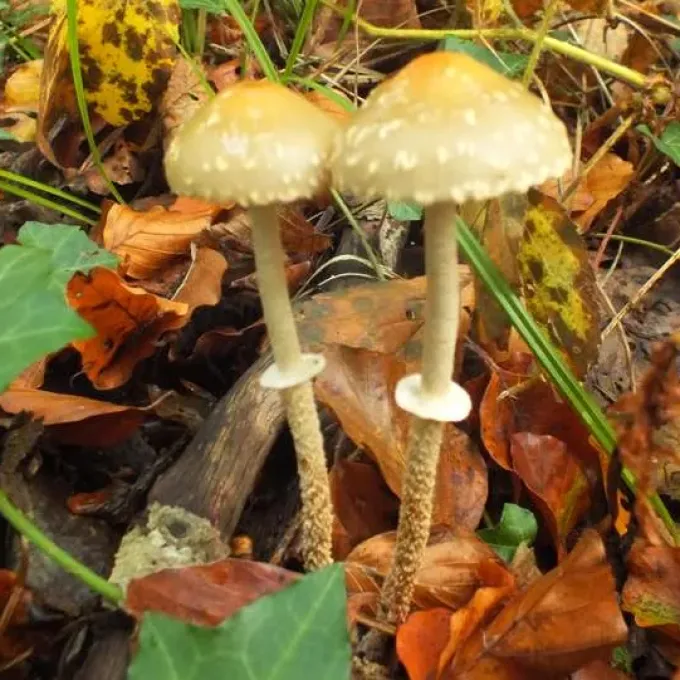
The mushroom is characterized by a yellowish-brown cap, which features numerous small scales, providing its specific appearance.
The stem is typically slender and hollow, often displaying a ring that may fade as the fruit body matures over time.
Gills located beneath the cap evolve in color, starting light and turning dark purple or almost black as spores develop and mature.
Presence of this fungus is an indicator of active decomposition processes within the forest floor or garden substrate.
Pathogen
The biological agent is the basidiomycete fungus Stropharia squamosa, belonging to the Strophariaceae family.
Crucially, this organism is a saprotroph and does not function as a pathogen, meaning it does not attack living tissues of crops.
Its life cycle relies on the breakdown of complex organic molecules like lignin and cellulose found in dead plant tissues.
As a decomposer, it plays a vital role in the ecosystem by recycling nutrients and contributing to the formation of soil humus.
It lacks the physiological mechanisms required to colonize or infect living vascular plants, making it harmless to gardens.
Conditions for development
Optimal development for Stropharia squamosa occurs in habitats with high humidity levels and an abundance of organic substrate.
The fungus thrives in shady, moist environments, such as woodland areas or garden sections covered with wood-based mulch.
Stable temperatures and consistent moisture are essential for the growth of the mycelial network within the decaying material.
The primary period for observing fruit bodies is during the autumn months, when moisture retention in the soil is at its peak.
Areas with poor drainage or stagnant moisture may experience a higher frequency of fungal emergence due to the provided damp conditions.
Why it matters
Stropharia squamosa is not considered harmful to agriculture as it does not cause any plant diseases or yield reductions.
Any perceived harm is purely aesthetic, as gardeners may find the appearance of mushrooms on mulch beds undesirable.
The fungus does not release toxins that inhibit plant growth; instead, it aids in the natural cycling of essential soil nutrients.
It is distinct from parasitic fungi that cause wilting, rot, or structural damage to trees and other vegetation.
In agronomic practices, the presence of this fungus is regarded as a sign of a healthy, active decomposition cycle in the soil.
Protection
There is no standard protocol for the control of Stropharia squamosa because it does not pose a threat to plant health.
If mushroom growth is undesirable for landscaping purposes, ensure the area is well-drained and avoid excessive use of wood-based mulch.
Removing piles of decaying wood or organic waste from the planting area will naturally eliminate the substrate required for growth.
Cultural practices such as improving soil aeration and maintaining appropriate hydration levels can limit fungal activity.
The use of chemical fungicides to treat this saprotroph is strongly discouraged as it may disrupt beneficial soil microbiome balance.
Discussion
No discussions yet — be the first.