
Stropharia semiglobata
Stropharia semiglobata
Description
Pathogen
Stropharia semiglobata is a species of fungus in the Strophariaceae family. In an agronomic context, it is classified as a coprophilous fungus, which thrives primarily on animal dung and nutrient-rich soil substrates.
It is not a direct plant pathogen, meaning it does not cause infectious diseases in agricultural crops. However, it acts as a bio-indicator of organic accumulation and pasture mismanagement.
The fungus spreads via wind-dispersed spores. Once a spore settles on a suitable organic substrate, the mycelium develops rapidly, breaking down organic material and initiating its decomposition process.
Biologically, the organism plays a role in nitrogen cycling by decomposing manure, but its appearance is often viewed as a sign of environmental imbalance in agricultural settings.
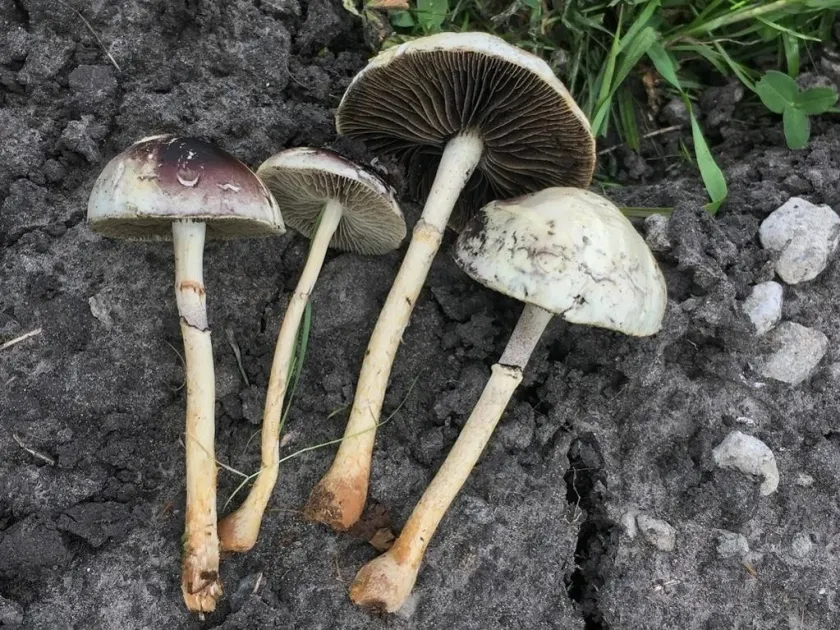
The fruiting bodies have a distinct hemispherical yellow cap, which makes them easily identifiable in the field during the growth phase of the life cycle.
Conditions for development
High levels of moisture and humidity are the primary drivers for the development of Stropharia semiglobata. The species flourishes during rainy seasons and in poorly drained pasture areas.
The availability of fresh or partially decomposed manure is a necessary condition for the fungus to establish its colonies. Without this organic substrate, the fungus cannot complete its lifecycle.
Moderate temperatures ranging from 12°C to 20°C facilitate the formation of fruiting bodies. Excessive heat can inhibit its growth, while frost typically terminates the lifecycle of the mycelium.
Shaded areas with minimal airflow are ideal for mushroom proliferation. Pastures with overgrown weeds create a favorable microclimate that protects the fungal colonies from drying out.
Compacted soils that retain moisture for extended periods provide a stable environment for the spread of spores and the development of the fungal network.
Why it matters
The primary concern regarding this fungus is the degradation of pasture quality. The presence of these mushrooms makes the grass unpalatable for livestock, potentially leading to reduced grazing efficiency.
Although it does not attack living crops, its mass colonization of soil can outcompete native pasture grasses, leading to a reduction in high-quality forage production.
The contamination of pasture fields with fungal colonies complicates harvesting operations, as the mushrooms can be mixed into hay, lowering the quality and safety of the final feed product.
Economic losses arise from the need to remediate pastures where manure has not been properly managed, requiring extra labor and time to restore soil health.
Persistent growth of these mushrooms is often associated with odors and anaerobic soil conditions, which may inhibit the root development of desirable forage plant species.
Protection
The most effective strategy is the rotation of grazing areas. By moving livestock, farmers prevent the buildup of concentrated organic waste, which starves the fungus of its required substrate.
Pasture harrowing is an essential mechanical method. It spreads out manure clumps, accelerating the drying process and preventing the moist conditions necessary for fungal establishment.
Improving soil drainage through land leveling and installing drainage systems helps reduce moisture levels, making the environment less hospitable for fungal growth.
Liming the soil to adjust the pH level can disrupt the fungal environment, hindering the ability of Stropharia semiglobata to colonize the area effectively.
- Implement strict stocking density controls.
- Regularly manage and incorporate organic residues.
- Monitor pastures for early signs of fungal colonies.
Discussion
No discussions yet — be the first.