
Stropharia luteonitens
Stropharia luteonitens
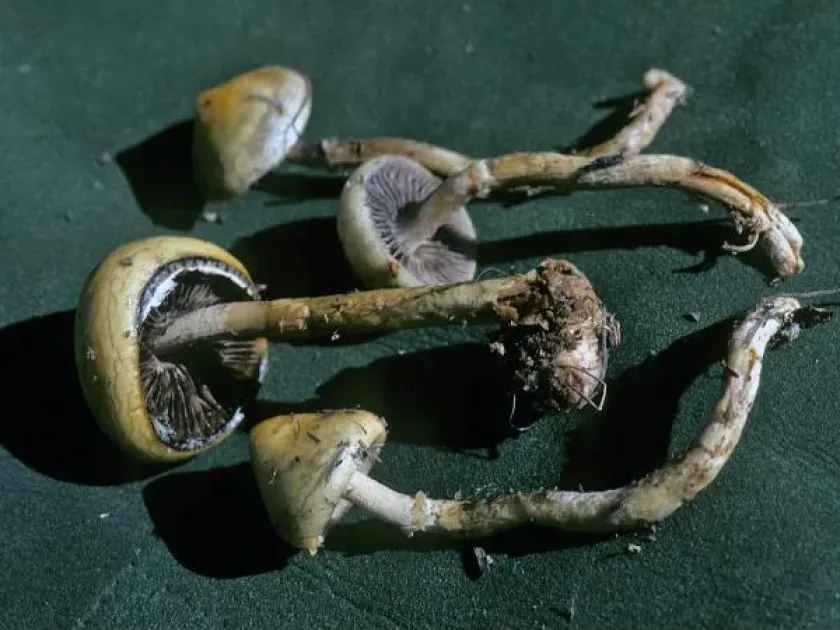
Description
Pathogen
Stropharia luteonitens (now frequently classified as Leratiomyces luteonitens) is a saprotrophic fungus that thrives on decaying organic matter.
It is crucial to clarify that this fungus is not a plant pathogen and does not cause diseases in agricultural crops, as it lacks the specialized biology required for parasitism.
As a decomposer, its primary biological function is to break down organic components in the soil, such as plant residues, dung, or rotting wood, contributing to nutrient cycling.
The organism functions entirely within the saprotrophic niche, meaning it lives on dead or decaying organic substances rather than living plant hosts.
From an agronomic perspective, it is a neutral or beneficial component of the soil ecosystem, acting as a scavenger of organic nutrients.
Conditions for development
The development of Stropharia luteonitens is primarily driven by the availability of rich organic substrates like manure, humus, or composted vegetable material.
Optimal environmental conditions for the emergence of its fruiting bodies include high moisture levels and moderate temperatures, typically observed during humid weather.
The fungus is commonly found in pastures, meadows, and fields where organic fertilizers are abundant, providing the necessary nutrients for its mycelial network.
Good soil aeration is also a factor, as it supports the metabolic activities of the fungus and facilitates the expansion of its mycelium within the soil profile.
Spore dispersal occurs predominantly via air currents, and the mycelium can remain dormant in the soil for extended periods until moisture conditions become favorable again.
Why it matters
There is no evidence of harm associated with this fungus regarding the health or yield of crops, as it does not infect living plant tissues.
It does not produce mycotoxins that would negatively impact the quality of agricultural produce or soil vitality, making it safe for crop environments.
Concerns sometimes arise when farmers observe the fungus in fields, but these are largely based on the mistaken belief that its presence indicates a fungal infection of the crops.
The species does not compete with cultivated plants for water or nutrients, as its primary food source is necrotic material already present in the soil.
No agricultural economic losses have ever been attributed to the presence of Stropharia luteonitens, confirming its status as a non-threatening organism.
Protection
No protective measures or chemical interventions are necessary, as the fungus is not an agricultural pest or a threat to commercial plant species.
To reduce its visible presence, basic agricultural practices such as thorough soil tillage help disrupt the mycelium and limit the development of fruiting bodies.
Proper management of organic waste, including deep incorporation of manure into the soil, significantly reduces the likelihood of the fungus proliferating on the field surface.
Ensuring adequate soil drainage prevents the localized saturation of topsoil, which is often a prerequisite for the formation of the fungus's reproductive structures.
The application of fungicides is strictly discouraged and unnecessary, as it would be ineffective against a harmless decomposer and could potentially harm beneficial soil microorganisms.
Discussion
No discussions yet — be the first.