
Stropharia inuncta
Stropharia inuncta
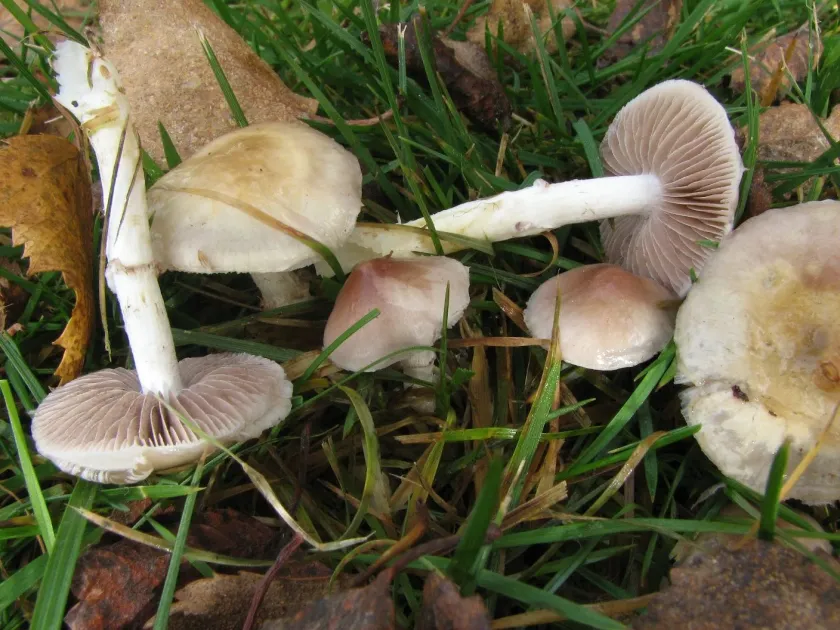
Description
Pathogen
Stropharia inuncta belongs to the Strophariaceae family. It is a saprotrophic fungus that thrives in soils rich in organic matter.
Biologically, this species is not a plant pathogen. It does not attack living plant tissues, but rather acts as a decomposer within the ecosystem.
The fruiting bodies of this fungus are characterized by a slimy cap, which is reflected in its specific epithet. They frequently appear in clusters on lawns and pastures.
The mycelium grows actively in the topsoil, penetrating decaying organic debris, fallen leaves, and root fragments to obtain nutrients.
Classifying this fungus as a plant disease is an agronomic misconception, as it does not cause harm to healthy plant roots or stems.
Conditions for development
The development of Stropharia inuncta mycelium is directly dependent on soil moisture levels. Optimal conditions occur during periods of prolonged rainfall and moderate temperatures.
An abundance of non-decomposed organic material in the soil acts as a strong stimulus for the colonization of the area by this fungal species.
The fungus prefers well-moistened areas with a neutral to slightly acidic pH level and is frequently observed in gardens with poor drainage.
Spore dispersal occurs via the air. Spores are easily carried by the wind and germinate on moist soil surfaces when conditions are favorable.
Seasonal activity typically peaks in late summer and autumn, when the combination of humidity and air temperature supports intense fruiting.
Why it matters
The primary concern regarding this fungus is purely aesthetic. The appearance of mushrooms on lawns or flower beds disrupts the visual appeal of landscapes.
Sometimes, dense mats of mycelium can suppress lawn grasses due to alterations in soil structure and local competition for soil nutrients.
The fungus is not toxic to plants, but its presence may indicate poor horticultural practices, such as excessive watering or inadequate drainage.
High levels of saprotrophic activity can lead to the rapid breakdown of mulch used to protect the root systems of garden crops.
In rare cases, excessive fungal growth may cause temporary fluctuations in substrate acidity, which may impact sensitive plant species.
Protection
The main preventive measure is to improve the drainage system. Proper water management effectively inhibits the growth of the fungus.
Regular aeration of soil and lawns is recommended. This promotes quick surface drying, making the habitat less suitable for Stropharia growth.
Removing accumulations of organic matter, including fallen leaves and plant debris, eliminates the food source required for fungal colonization.
Adhering to correct irrigation schedules helps prevent waterlogging. Watering should only be done when necessary, avoiding standing water.
- Regular lawn mowing.
- Timely removal of organic debris.
- Improvement of soil aeration.
- Monitoring of substrate moisture levels.
Discussion
No discussions yet — be the first.