
Stropharia coronilla
Stropharia coronilla
Description
Pathogen
Stropharia coronilla is a saprotrophic fungus belonging to the Strophariaceae family. In an agronomic context, this organism is typically regarded as an unwanted presence in soil, although it does not act as a specialized pathogen for agricultural crops.
Biologically, this fungus belongs to the group of soil saprotrophs that derive their energy from organic decay. It lacks the biological capability to actively attack healthy plant tissues, which distinguishes it from typical parasitic phytopathogens.
The primary fungal agent is the mycelium, which develops within the upper soil layer rich in organic matter. Unlike true parasites, this species does not penetrate plant roots, colonizing the rhizosphere area only in search of nutrition.
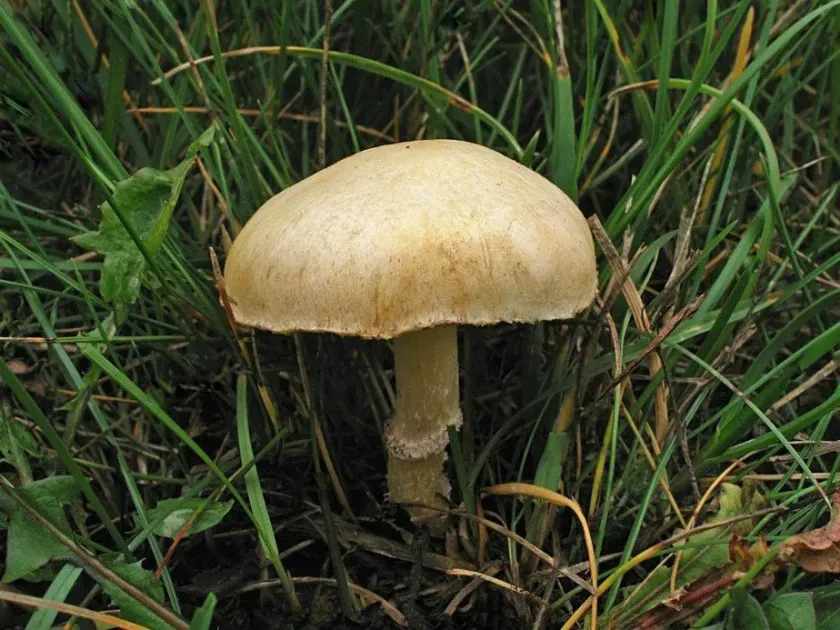
The fungus produces small fruiting bodies that are often mistaken for symptoms of serious plant diseases. The structure consists of a yellowish cap and a characteristic ring on the stalk, allowing for accurate identification among other fungal species.
Its agronomic significance lies in its potential to alter soil microflora. Under conditions of high humidity and an excess of raw organic matter, it may compete with beneficial microorganisms for resources in the topsoil horizon.
Conditions for development
The development of Stropharia coronilla depends directly on the presence of accessible organic matter in the soil, such as fresh manure, plant debris, or poorly composted materials. It prefers loose, moist substrates with a neutral or slightly alkaline pH.
High levels of humidity in both air and soil, combined with moderate temperatures ranging from 15 to 22 degrees Celsius, create ideal conditions for the emergence of fruiting bodies. This is frequently observed after prolonged rainfall during the summer and autumn months.
The presence of large amounts of nitrogen compounds remaining from fresh fertilizer application encourages rapid mycelial growth. Poor soil aeration also facilitates the colonization of this species on plots where crops are grown.
The fungus is often found in well-maintained lawns, near vegetable patches, or in greenhouses where irrigation schedules are not properly managed. Heavy mulching with non-disinfected organic materials acts as a catalyst for spore dispersal.
Dissemination occurs primarily through spores, which are easily transported by wind, water, or agricultural equipment. High crop planting density prevents soil from drying out, maintaining the stable moisture levels required for mycelium development.
Why it matters
The primary concern regarding Stropharia coronilla is the potential risk to sensitive young seedlings. Under conditions of high mycelial density within the rhizosphere, the fungus may compete with the plant root system for available nutrients.
Although the fungus is not a pathogen, its biological activity often leads to a deterioration in soil structure, negatively impacting crop growth. This disruption of gas exchange in the root zone can hinder root system development.
The presence of abundant fungal fruiting bodies near root crops or berry patches diminishes the commercial appearance of the produce. Farmers often view the presence of these mushrooms as an indicator of poor agricultural practices and lack of sanitation.
There is a risk that secondary metabolites produced by the fungus could accumulate in the soil, potentially exerting a toxic effect on young sprouts. This may manifest as stunted growth, yellowing foliage, and a general weakening of plant immunity.
Indirect harm lies in the difficulty of differentiating this saprotroph from dangerous soil-borne infections, such as root rots. This leads to the unnecessary expenditure of resources on chemical control measures that are ineffective against this type of fungus.
Protection
The most effective preventive method is proper soil preparation, including the application of only fully composted organic matter. It is essential to prevent water stagnation by ensuring efficient drainage across the fields.
Regular cultivation and loosening of the soil between rows promote aeration and rapid drying of the top layer, which is critical for inhibiting mycelial development. Prompt removal of weeds and crop residues prevents the accumulation of food sources for the fungus.
If fruiting bodies are detected, they should be removed mechanically before the spores mature. This significantly reduces the likelihood of the fungal background spreading further across the cultivated area.
In cases of mass emergence, it is recommended to employ agrotechnical methods such as soil liming, as many Stropharia species prefer neutral environments and are sensitive to shifts in soil pH.
Chemical fungicides are rarely used against this species because it is not a parasite. Maintaining proper crop rotation and high agricultural standards is sufficient to eliminate the conditions required for the development of these unwanted soil fungi.
Discussion
No discussions yet — be the first.