
Strigulales
Strigulales
Description
Symptoms
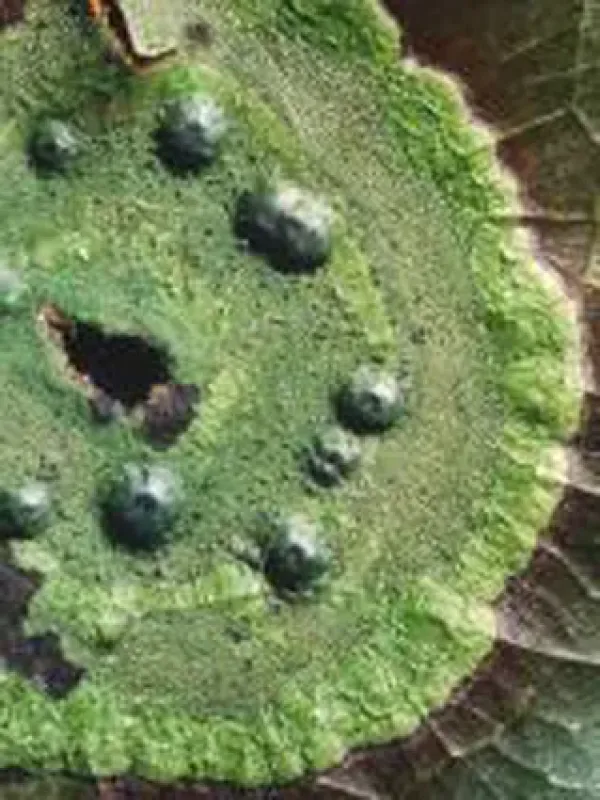
The primary symptom of a Strigulales infection is the appearance of distinct dark, often black, spots on the leaf surface. These spots are the fruiting bodies of the fungus, which attach themselves firmly to the plant's cuticle.
Unlike some invasive pathogens, Strigulales typically live as epiphytes, manifesting as small dots or streaks on the upper side of the leaves. In severe cases, these spots may coalesce into larger necrotic areas, altering the leaf's appearance.
In many plant species, the area surrounding the fungal growth may develop chlorosis or a yellowish halo. This reaction indicates the plant's stress response to the presence of the pathogen on its surface.
The visual signature of the disease often resembles soot or grime. However, close inspection reveals the structured nature of the ascostromata, which are characteristic of this specific order of fungi.
Affected leaves may show signs of premature wilting or shedding if the fungal coverage is extensive. This leaf drop is a direct consequence of the interference with normal plant physiological processes.
Pathogen
The disease is caused by fungi belonging to the order Strigulales within the class Dothideomycetes. These fungi are specialized in colonizing the surface of various plant hosts, particularly evergreen species.
These organisms reproduce via spores that are dispersed by wind and rain. The fungi develop specialized structures called ascostromata, which are designed to withstand varying environmental conditions while protecting the developing spores.
The biological nature of Strigulales is often epiphytic, meaning they thrive on the surface without necessarily invading deep into the vascular tissues. Their survival depends on the micro-climate provided by the host plant's foliage.
Some species within this order have evolved complex symbiotic traits, occasionally associated with lichenized forms. This evolutionary flexibility allows them to persist in diverse ecological niches.
Identification of the specific pathogen usually requires mycological analysis of the fruiting bodies under a microscope to distinguish them from other common sooty mold pathogens.
Conditions for development
High relative humidity is the most critical environmental factor for the spread of Strigulales. Frequent rain and fog provide the necessary moisture for spore germination and colony establishment on the leaf cuticle.
Warm temperatures, generally ranging from 18°C to 26°C, significantly accelerate the growth cycle of the fungus. During seasons with these conditions, the risk of rapid colonization increases substantially.
Poor aeration within dense crop canopies creates a stagnant micro-climate that traps moisture. Such environments are ideal for the rapid development of fungal outbreaks, especially in low-light conditions.
Poor orchard or greenhouse management, such as overhead irrigation during the evening, exacerbates the problem. Prolonged leaf wetness overnight provides the perfect window for the pathogen to thrive.
Plants that are already weakened by nutrient deficiency or mechanical damage are more susceptible. A robust plant cuticle acts as a primary defense, which is compromised in stressed plants.
Why it matters
The economic impact of Strigulales is primarily due to the reduction in photosynthesis. By covering the leaf surface, the fungal growth blocks sunlight and limits the plant's ability to produce energy.
Decreased photosynthetic capacity leads to reduced growth rates, poor fruit quality, and lower yields in commercial orchards. This is particularly concerning for long-term ornamental or fruit-bearing crops.
The aesthetic value of ornamental plants is severely diminished by the presence of black spots, leading to financial losses for nurseries and landscapers who cannot market disfigured products.
Strigulales infections can lead to secondary issues, as the fungal growth disrupts the leaf's protective layer. This damage makes the plant more vulnerable to bacterial and viral infections that can enter through the compromised cuticle.
In severe cases, the cumulative stress on the plant can lead to significant defoliation, weakening the plant's winter hardiness and its ability to recover in the following growing season.
Protection
Cultural management is the first line of defense. Proper spacing and regular pruning of branches improve air circulation, which rapidly reduces the humidity levels that favor fungal growth.
Sanitation is essential; removing and destroying infected leaf litter prevents the pathogen from overwintering and re-infecting the plants in the next cycle.
Chemical control involving copper-based fungicides can be highly effective when applied preventively. Monitoring the plant for the first signs of spots is crucial for timely intervention.
Maintaining optimal plant health through balanced fertilization and proper irrigation practices strengthens the natural defenses of the host, making it more resistant to fungal attachment.
- Pruning for better air circulation
- Removing and burning fallen infected leaves
- Applying preventive copper-based sprays
- Monitoring foliage for early spots
- Ensuring balanced nutrient supply for immunity
Discussion
No discussions yet — be the first.