
Strigulaceae
Strigulaceae
Description
Symptoms
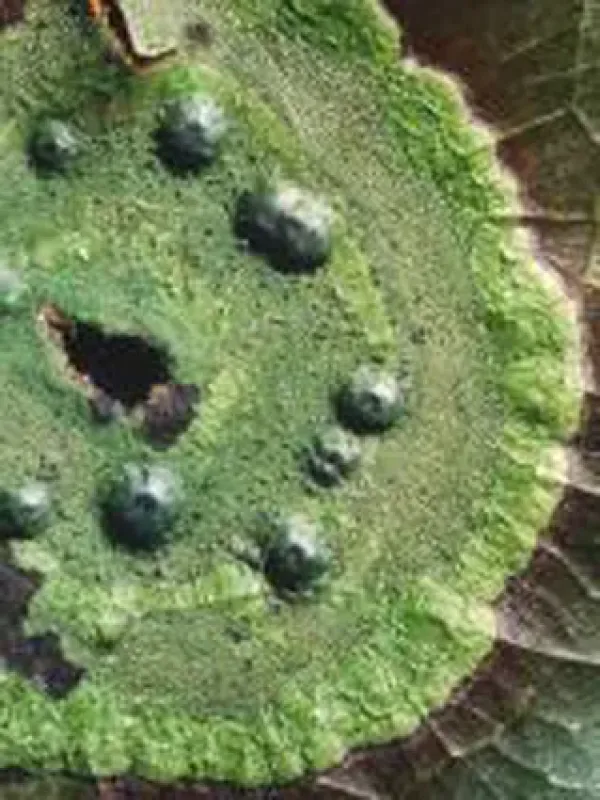
The primary symptom of infection is the presence of small, dark, or black spots on the surface of leaf blades, which often appear as streaks or lines.
The affected areas of the leaf may lose their natural sheen, appearing dull and rough due to the accumulation of fungal fruiting bodies on the epidermis.
In severe cases, the infected leaves may show yellowing and premature senescence, leading to defoliation before the end of the natural growing season.
The fungal colonies can merge, covering a significant portion of the leaf surface, which interferes with the plant's normal physiological appearance.
Symptoms are most visible on mature leaves where the cuticle is thick enough to support the long-term attachment and growth of the fungal mycelium.
Pathogen
Strigulaceae is a family of fungi within the order Dothideales. These fungi are predominantly known as epiphytes that colonize the surface of leaves in tropical and subtropical regions.
Unlike parasitic fungi that invade inner plant tissues, Strigulaceae species typically dwell within the cuticle layer, forming dense mats of mycelium and small reproductive structures called ascomata.
The life cycle of these fungi is closely linked to surface moisture, as the dispersal of spores largely depends on water droplets and high ambient humidity.
They are known to form symbiotic or commensal relationships with other epiphytic organisms, such as lichens and algae, on the bark or leaves of host plants.
Pathological analysis requires careful microscopic examination, as the small size of the fruiting bodies makes them difficult to distinguish from soot or dust particles.
Conditions for development
The development of Strigulaceae is strongly correlated with high humidity levels and frequent rainfall or dew, which provide the necessary moisture for spore germination.
Poor airflow within plant canopies or dense planting schemes creates a stagnant microclimate that is ideal for the rapid colonization of leaves.
Shaded environments, such as the lower strata of forests or dense greenhouses, promote the persistence and spread of these fungal structures.
Warm temperatures, typical of their native habitat, ensure the continuous metabolic activity and reproduction of the fungus throughout the year.
The presence of honeydew secreted by sap-sucking insects provides a rich nutrient source that can stimulate the growth of these epiphytic fungi.
Why it matters
The main impact of these fungi is the obstruction of the leaf surface, which physically blocks sunlight and impedes the photosynthetic process.
By covering the stomata and interfering with leaf respiration, the fungus can slow down the overall growth rate and vigor of the host plant.
Plants affected by Strigulaceae may exhibit reduced fruit or flower production due to the diminished availability of energy from photosynthesis.
Although they are often considered epiphytic, heavy infestations can lead to stress, making the plant more susceptible to opportunistic secondary pathogens.
For ornamental plants, the visual degradation caused by the blackening of leaves significantly reduces the commercial value of the crop.
Protection
Improving air circulation through regular pruning and crown thinning is the most effective cultural practice for managing Strigulaceae outbreaks.
Sanitation measures, including the removal and destruction of heavily infected foliage, can significantly reduce the local inoculum density.
Applying preventative fungicides may be necessary in nurseries or commercial landscapes to maintain the aesthetic quality and health of the plants.
Managing insect populations, particularly those that produce honeydew, removes a critical food source that allows epiphytic fungi to thrive.
Monitoring the microclimate in greenhouses and maintaining low moisture levels on foliage are essential steps in preventing the onset of infection.
Discussion
No discussions yet — be the first.