
Stilbella
Stilbella
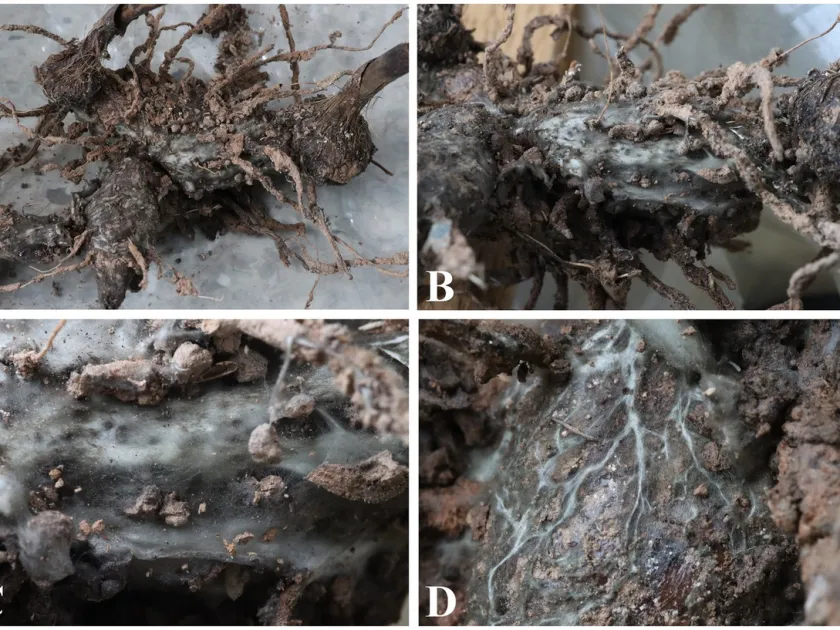
Description
Symptoms
The most distinctive symptom of Stilbella infection is the appearance of visible, thin columns or "tufts" (synnemata) emerging from the surface of stems, leaves, or fruit stalks.
Affected tissues typically begin to show signs of necrosis, turning darker and eventually softening, as the fungus secretes enzymes to break down plant cell walls.
Plants affected by the disease often display wilting and general chlorosis (yellowing) because the systemic spread of the fungus interferes with normal nutrient and water transport.
In humid environments, a visible growth of mycelium and spores can be observed on the surface of lesions, often appearing as a fuzzy or powdery coating.
- visible columns of conidiophores (synnemata) on plant surfaces;
- necrotic spotting and tissue softening;
- systemic wilting and premature leaf drop;
- fungal coating in high-humidity conditions;
- stunted growth and poor overall development.
Pathogen
The causative agent of the disease is a fungus from the genus Stilbella, which belongs to the group of imperfect fungi (deuteromycetes). The pathogen is characterized by the formation of synnemata, which are dense bundles of conidiophores appearing as distinct columns.
This microscopic fungus acts as an opportunistic pathogen, often colonizing plant tissues that have been weakened by environmental stress, mechanical damage, or poor growing conditions.
The life cycle involves the production of conidia on top of these synnemata, which are easily disseminated by wind, rain splashes, or insect vectors, facilitating rapid spread across crops.
The fungus can survive for extended periods as saprotrophic growth on plant debris in the soil, acting as a reservoir for infection when conditions become favorable for the next season.
Diagnosing Stilbella requires microscopic observation to identify the unique structure of its spore-bearing bodies, which sets it apart from other common fungal pathogens.
Conditions for development
High relative humidity, typically exceeding 80-85%, is the primary factor that promotes the growth and sporulation of the Stilbella fungus.
Moderate temperatures ranging from +18°C to +25°C create an ideal environment for the pathogen to thrive and spread rapidly through a greenhouse or field setting.
Poor ventilation in dense or poorly managed plant stands prevents the evaporation of moisture, creating a microclimate that strongly favors fungal development.
Plants under physiological stress due to drought, nutritional deficiencies, or pest infestations are significantly more susceptible to Stilbella colonization.
Mechanical injuries on stems or fruits provide direct entry points for the pathogen, allowing it to bypass the plant’s natural surface defenses.
Why it matters
Stilbella causes significant damage to the aesthetic and commercial value of plants, rendering fruit and ornamental crops unsellable due to disfigurement and rot.
The disease inhibits plant metabolism and photosynthesis, which leads to reduced yields and inferior fruit quality in agricultural crops.
In severe cases, the fungus can cause the total collapse of stems or branches by obstructing water transport, leading to the rapid death of the affected plant parts.
The longevity of the pathogen in soil and plant residue creates a lasting threat, requiring costly soil sterilization and long-term crop rotation strategies.
In greenhouses, Stilbella outbreaks can be catastrophic, potentially wiping out entire crops if preventative measures are not taken immediately upon detection.
Protection
The primary control strategy involves rigorous sanitation, including the complete removal and destruction of all infected plant materials after harvest.
Managing the greenhouse environment by optimizing air circulation and maintaining proper humidity levels is essential to prevent spore development.
Fungicides with broad-spectrum activity against deuteromycetes can be applied preventively or upon the first signs of infection to stop the disease from spreading.
Effective pest management is crucial, as insects and mites often facilitate the transmission of fungal spores from one plant to another.
Using certified, disease-free planting material and implementing a strict crop rotation plan helps to reduce the initial inoculum load and protects future plantings.
Discussion
No discussions yet — be the first.