
Stigmina milletiae
Stigmina milletiae
Description
Symptoms
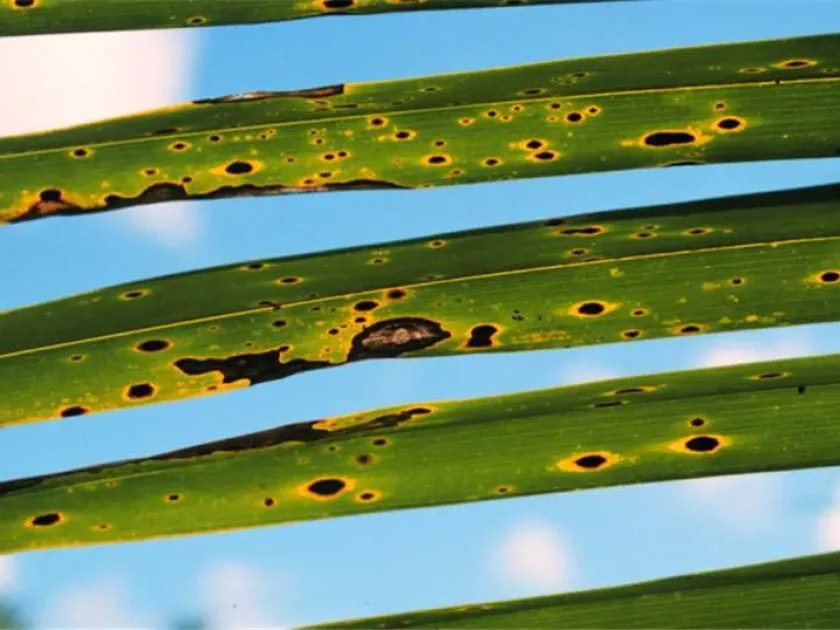
The initial symptoms manifest as small, discrete spots on the leaf surface. As the infection progresses, these spots expand, often turning dark brown or black, frequently surrounded by a chlorotic halo.
A hallmark sign of this disease is the development of tiny black specks within the necrotic lesions. These represent the fungal sporulation structures, which can be visible to the naked eye or with a hand lens.
The disease is not limited to leaves; it can also affect petioles and young, non-woody stems. This causes premature yellowing and eventual shedding of the foliage, leading to noticeable defoliation in severe cases.
The infection can cause significant deformity of the leaves, where they may curl or show irregular growth patterns. This disruption of the leaf architecture directly impacts the plant's ability to perform photosynthesis efficiently.
In advanced stages, if left untreated, the pathogen may cause tip dieback on young shoots. This significantly ruins the aesthetic appeal of the plant and limits its overall growth potential during the season.
Pathogen
The disease is caused by the fungus Stigmina milletiae, a micro-organism belonging to the class of mitosporic fungi. It is a specialized pathogen that primarily targets leguminous plants, particularly those of the genus Milletia.
The life cycle of the pathogen is closely tied to the host plant. The fungus survives the winter as mycelium within infected fallen leaves, bark, or dormant twigs, awaiting the warmer temperatures of the spring to resume development.
When environmental conditions are right, the fungus produces spores (conidia) which are disseminated by wind, rain splashes, or insects. These spores land on healthy plant parts to initiate new infections.
Infection occurs through natural openings like stomata or through microscopic wounds in the plant's epidermis. Once inside, the fungal mycelium colonizes the inter-cellular spaces, absorbing nutrients and damaging plant cells.
Diagnostic identification of Stigmina milletiae often reveals the presence of dark, compact fruiting bodies known as acervuli. These structures are where the fungus produces its asexual spores, ensuring its spread throughout the growing season.
Conditions for development
The development of the disease is heavily dependent on high relative humidity. Prolonged periods of rainfall, heavy fog, or persistent morning dew are major drivers for spore germination and infection.
The fungus thrives within a temperature range of +18°C to +25°C. During these warm and humid conditions, the incubation period of the fungus is shortened, facilitating rapid spread throughout the canopy.
Poor aeration in dense plantings creates a stagnant, humid microclimate. This lack of airflow prevents foliage from drying out, providing the pathogen with extended windows of opportunity to infect leaf tissues.
Improper cultural practices, such as excessive nitrogen fertilization, lead to succulent growth that is more susceptible to fungal attack. Weakened plants lack the structural integrity to resist initial penetration.
The presence of overwintered inoculum in the form of decaying plant debris is a major risk factor. Keeping the orchard or garden floor clean is essential to minimizing the early-season spore load.
Why it matters
The primary concern with Stigmina milletiae is the loss of decorative value. In landscape architecture and ornamental gardening, the premature loss of foliage significantly reduces the plant's visual appeal.
Chronic infection limits the plant's energy reserves. By reducing the surface area available for photosynthesis, the disease forces the plant to tap into its stored energy, leading to decreased vigor and overall health.
Weakened plants are significantly more vulnerable to secondary stressors, including other pathogens and insect infestations. This compounded stress can lead to the long-term decline and eventual death of the specimen.
The disease carries an economic burden associated with the need for repeated fungicide applications, increased labor for sanitation, and the potential necessity of replacing diseased plants within a managed landscape.
If allowed to spread unchecked, the pathogen can turn an entire stand of susceptible trees into a reservoir of infection, making it increasingly difficult and expensive to manage long-term plant health.
Protection
Management begins with rigorous sanitation. Collecting and properly destroying all fallen leaves at the end of the season is the most effective way to eliminate the primary sources of overwintering inoculum.
Regular pruning of the canopy is essential to remove infected branches and improve internal airflow. Always sterilize pruning tools between cuts to avoid mechanically spreading the fungus to healthy parts of the plant.
- Apply copper-based fungicides during the dormant period to reduce the initial spore count.
- Utilize systemic fungicides, such as triazoles or strobilurins, during the growth stage if symptoms appear.
- Maintain optimal spacing to encourage airflow and reduce canopy humidity.
When applying chemical controls, it is vital to rotate different chemical classes to prevent the fungus from developing resistance. Follow label instructions carefully for the timing and frequency of treatments.
Promote plant health through a balanced nutrient regimen, focusing on phosphorus and potassium to boost natural defenses. Healthy plants are better equipped to tolerate and recover from environmental and pathogenic stress.
Discussion
No discussions yet — be the first.