
Stigmina spot
Stigmina dura
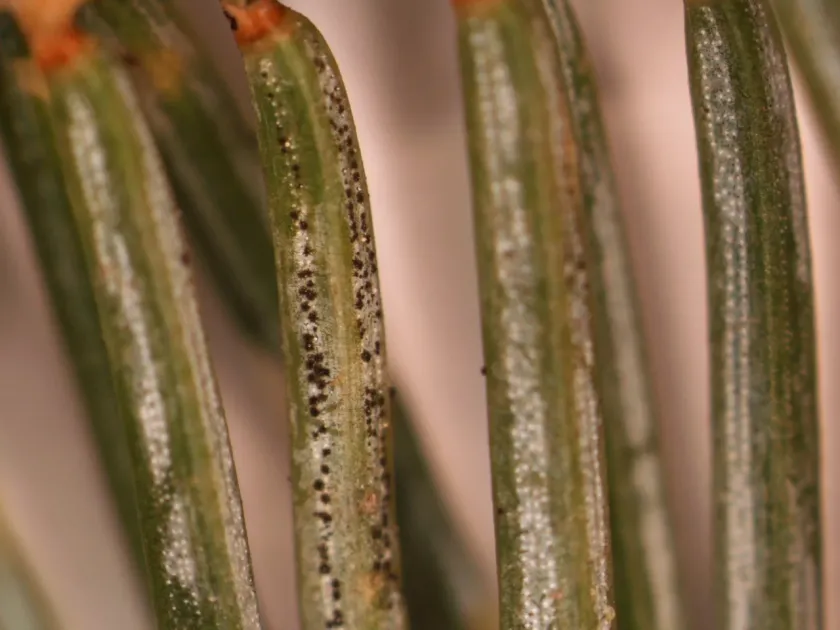
Description
Symptoms
The primary symptom is the appearance of small, circular spots on leaves that eventually fall out, creating a characteristic shot-hole effect on the foliage.
Infected shoots often develop reddish-brown lesions that may progress into elongated cankers, frequently accompanied by localized gumming (gummosis).
Fruit symptoms include small, sunken, dark spots which can become scab-like or warty, significantly degrading the aesthetic and market value of the produce.
The lesions on leaves are usually surrounded by a distinct darker margin, which serves as a key diagnostic feature for field identification.
Severe infestations lead to premature leaf drop, which weakens the overall tree vigor and reduces its ability to store energy for the subsequent season.
Pathogen
The causal agent of the disease is the fungus Stigmina dura, a member of the Ascomycota group known for causing various leaf spots and shoot lesions.
The fungus propagates through conidia, which are efficiently dispersed by wind, splashing rain, and mechanical contact with insects or pruning tools.
It overwinters primarily in infected twigs, buds, and fallen leaves, remaining dormant until environmental conditions favor the resumption of metabolic activity.
Infection occurs mainly through natural openings like stomata or through wounds created by hail, pruning, or insect damage on the plant tissue.
The biological nature of Stigmina dura allows it to survive in various plant tissues, making it a persistent threat in orchards if left untreated.
Conditions for development
Stigmina spot thrives in cool to moderate temperatures and high humidity, making spring and early autumn the peak periods for infection.
Consistent rainfall or heavy morning dew provides the necessary moisture for fungal spores to germinate and colonize the surface of leaves and shoots.
Orchards with poor air circulation, often caused by dense canopy structures, are highly susceptible to rapid spread of the pathogen.
Trees that are nutritionally stressed or suffering from environmental factors exhibit weakened natural defenses, making them more vulnerable to infection.
An optimal temperature range of 15°C to 22°C facilitates the fastest reproduction rates for the fungus on host plants.
Why it matters
The disease reduces the photosynthetic capacity of the plant by causing premature loss of leaf area, leading to decreased fruit size and quality.
Lesions on woody parts of the tree can stunt growth, lead to dieback of twigs, and weaken the structure of the canopy over time.
The stress induced by the infection often results in a reduced crop load and can negatively affect the long-term productivity of the orchard.
Gummosis associated with severe infections can lead to secondary pathogens entering the woody tissue, further compromising tree health.
Failure to control the spread can lead to a steady decline in the health of susceptible varieties, eventually requiring the removal of infected trees.
Protection
The most effective strategy involves rigorous sanitation, including the removal and destruction of fallen leaves and pruned infected branches.
Copper-based fungicides applied in late dormant or early spring stages are highly effective at reducing the primary inoculum levels.
Implementing a balanced fertilizer program ensures that trees maintain strong natural resistance and can better tolerate low-level infections.
Regular monitoring of orchards, especially during wet weather, is essential to determine the timing for systemic fungicide applications.
- Sanitize the orchard by removing plant debris.
- Prune to improve light and air penetration.
- Apply protective sprays before bud break.
- Manage pests to prevent physical damage to bark.
Discussion
No discussions yet — be the first.