
Stigmatula spot
Stigmatula
Description
Symptoms
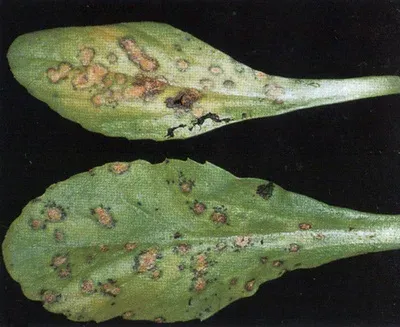
The primary symptom is the appearance of distinct spots on the leaf blades. These spots are often circular or irregular in shape and feature a clearly defined border of necrotic tissue.
In the center of the affected areas, tiny black dots appear over time. These are the fruiting bodies of the fungus, which protrude slightly from the leaf surface.
As the disease progresses, the spots may coalesce, covering larger areas of the leaf. This often results in premature yellowing and heavy leaf drop, weakening the tree.
On young shoots, the infection manifests as sunken spots, which can cause stunted growth or even deformation of the twig tips. This hampers the plant's structural development.
Visual inspection helps differentiate this disease from other leaf spots by observing the characteristic texture and arrangement of the fruiting bodies within the infected lesion.
Pathogen
The pathogen responsible for this disease is a fungus from the genus Stigmatula. It is a specialized parasite that primarily attacks the foliage and young shoots of various woody plants.
The life cycle of the fungus includes the formation of small fruiting bodies called perithecia, which develop within the leaf tissue. Spores can survive the winter in fallen leaves on the ground.
The pathogen enters the plant through stomata or small cracks in the epidermis. During the growing season, it spreads via conidia, which are easily transported by wind or water splashes.
The biology of the pathogen is closely tied to the host's phenology. Fungal colonization of tissues disrupts the plant's metabolism and impairs the overall photosynthetic activity of the leaves.
Accurate identification of the species usually requires microscopic examination of samples, as the morphology of Stigmatula ascospores is distinct from other common fungal spots.
Conditions for development
High relative humidity is the primary driver of this disease. Extended periods of rain, fog, or heavy dew create the perfect environment for spore germination on leaf surfaces.
Moderate temperatures are optimal for the fungus to spread. Rapid shifts in weather often stress the plant, making it more susceptible to infection by Stigmatula.
Densely planted orchards or gardens with poor air circulation are at high risk. If the canopy remains damp for too long after rainfall, the fungus can proliferate rapidly.
The presence of old leaves and plant debris provides a reservoir for the pathogen. Failure to implement sanitation practices ensures the disease will return in the following season.
Weather patterns characterized by frequent rain followed by warmth are the most conducive to the rapid spread of spores throughout the orchard.
Why it matters
The main harm caused by the disease is premature defoliation. This significantly reduces the photosynthetic surface area required for nutrient accumulation before dormancy.
As a result, the trees' cold hardiness is lowered. Defoliated trees are significantly more likely to suffer from winter damage and cold injury during severe winter months.
Systemic infection leads to overall plant depletion. Over time, the growth rate of shoots declines, which eventually results in lower yields or loss of ornamental quality.
Decorative plants lose their aesthetic value quickly when the canopy becomes thin and spotted. This can be devastating for nurseries and public garden maintenance.
Weakened trees become more attractive to secondary pests and opportunistic pathogens, leading to a synergistic decline in the plant's health and vigor.
Protection
Rigorous sanitation is the cornerstone of effective management. Collecting and destroying fallen leaves during the autumn is crucial to break the infection cycle.
Regular pruning of affected branches should be performed throughout the season. All infected material must be removed from the site and disposed of properly to avoid spore dispersal.
Prophylactic applications of copper-based fungicides during the early bud burst stage can help prevent initial infections. Always follow the manufacturer's label instructions.
Improving crown ventilation through proper pruning techniques helps keep foliage dry. This prevents the sustained moisture required by the fungus to establish itself.
- Sanitary pruning of infected twigs.
- Preventive fungicide applications at the green bud stage.
- Balanced fertilization to boost plant immunity.
- Removing weeds to reduce humidity around the base.
Discussion
No discussions yet — be the first.