
Sticta leaf spot
Sticta
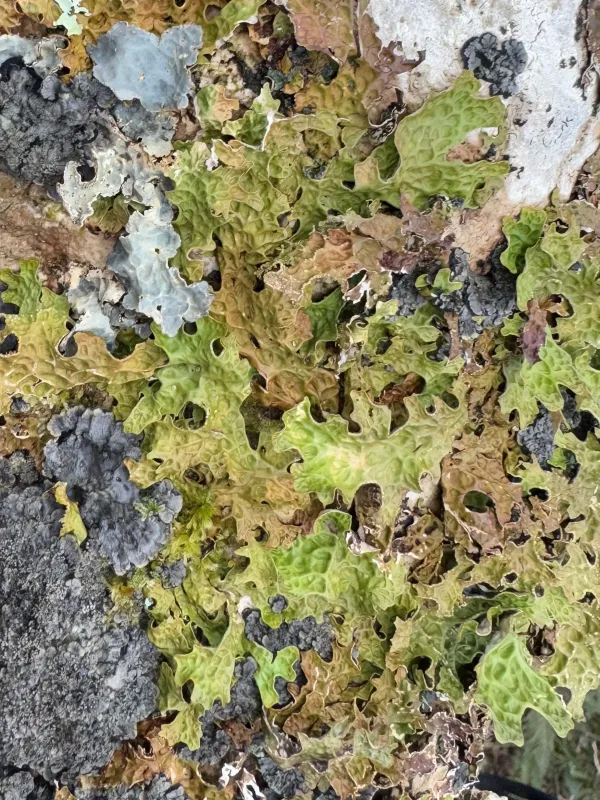
Description
Symptoms
The most common symptom of Sticta infection is the appearance of small, distinct spots on the leaf surface. These spots often start as pale, chlorotic marks and eventually turn dark brown or greyish with a clearly defined margin.
As the disease progresses, these spots expand and coalesce, leading to significant leaf necrosis. Within the necrotic areas, one can often see tiny black structures, which are the reproductive organs of the fungus, confirming the presence of the pathogen.
Affected stems may exhibit sunken lesions or cankers, which can lead to structural weakness. This condition restricts the transport of water and nutrients, causing the terminal growth of the branch to wither or die back prematurely.
When fruits are affected, they develop pitted lesions that are often discolored. These lesions not only ruin the appearance of the fruit but also provide entry points for secondary pathogens like soft rot bacteria, leading to rapid degradation.
- Development of necrotic spots on leaves with distinct borders
- Presence of black fruiting bodies on affected tissues
- Wilting and premature yellowing of leaves
- Formation of cankers and lesions on branches and stems
- Reduced vigor and stunted overall plant growth
Pathogen
Sticta leaf spot is a fungal disease caused by pathogens belonging to the genus Sticta. While this genus is often associated with lichens, specific parasitic strains within or related to this group act as significant plant pathogens, causing localized tissue death.
The pathogen spreads through airborne spores or water splashes during rain or overhead irrigation. Once these spores land on susceptible leaves or stems, they germinate and penetrate the epidermis using specialized enzymes that degrade cell walls.
The fungus overwinters in the form of dormant mycelium within fallen leaves, infected twigs, and even in the soil. This ability to persist in the debris makes it highly resilient and capable of initiating primary infections as soon as favorable conditions arrive in spring.
Biologically, the pathogen prioritizes host tissue colonization, drawing nutrients from the plant. This leads to the disruption of cellular metabolism and the eventual death of the affected plant cells, which manifests as necrotic spots.
Microscopic analysis of these spots reveals the presence of fungal fruiting bodies (apothecia), which are essential for the survival and dispersal of the fungus. Understanding this biological cycle is crucial for implementing timely and effective control measures.
Conditions for development
Sticta leaf spot thrives in environments characterized by high humidity and moderate temperatures. Prolonged dampness on the leaf surface is a prerequisite for spore germination and successful fungal colonization.
Dense planting schemes that prevent airflow contribute significantly to the severity of the disease. In poorly ventilated areas, the humidity levels remain high, creating an optimal microclimate for the fungus to multiply rapidly.
Mechanical damage caused by pruning, insects, or weather conditions provides easy entry points for the fungal spores. Once inside the tissue, the fungus spreads much faster than it could through undamaged surfaces.
Nutritional imbalances, particularly excessive nitrogen fertilization, lead to lush, soft plant tissue that is highly susceptible to fungal attacks. Such tissues have thinner cell walls, making them easier for the pathogen to penetrate.
Neglecting orchard or garden sanitation is a primary factor in disease outbreaks. Failing to remove infected plant matter allows the pathogen to remain on-site, building up the infection pressure for subsequent growing seasons.
Why it matters
The primary damage caused by Sticta is the reduction of the functional photosynthetic area. Since leaves are the plant's food factories, a decrease in their healthy surface area directly results in lower growth rates and reduced yields.
When the disease impacts the stems and branches, the vascular system is impaired. This restricts the upward flow of water and minerals, causing branch dieback and, in severe cases, the death of the entire plant.
Economic losses are compounded by the decrease in the quality of the harvest. Fruits affected by leaf spot are rarely suitable for the fresh market and have significantly shortened storage lives, leading to post-harvest losses.
Persistent infections weaken the plant’s overall defense mechanisms, making it more prone to secondary stresses, including drought, extreme temperatures, and other opportunistic pathogens.
In nursery settings, this disease is particularly damaging as it renders plant material unsuitable for sale. The cost of eradication, combined with the loss of potential sales, makes it a serious concern for commercial growers.
Protection
The foundation of Sticta control is strict sanitation. All infected plant parts must be pruned and disposed of properly—preferably by burning—to eliminate the reservoir of fungal spores for the next season.
Maintaining proper plant spacing and regular pruning of the canopy is essential to improve airflow. This practice helps keep the plant surfaces dry, which is a major deterrent to the establishment of the fungus.
Preventive fungicide treatments are highly effective when applied during periods of active growth and rainy weather. Using products that contain copper or systemic fungicides can protect new, vulnerable tissue from infection.
Enhancing plant health through balanced fertilization and correct irrigation practices helps the plant maintain strong cell walls, which act as a physical barrier against fungal entry.
Integrated Pest Management (IPM) strategies, including monitoring and timely identification of the first symptoms, allow for rapid intervention before the disease can reach epidemic levels across the field or garden.
Discussion
No discussions yet — be the first.