
Hairy parchment
Stereum rugosum
Description
Symptoms
The most visible symptom is the appearance of hard, leathery brackets or crusts attached firmly to the bark. These are often seen on dead branches, but their presence on living trunks indicates that the infection has moved into the primary structure.
Infected wood exhibits signs of white rot. When a branch or trunk is opened, the wood appears light-colored, bleached, and crumbly. The loss of texture is a hallmark of the fungal breakdown of the lignin component of the wood cells.
Trees affected by this pathogen often show signs of crown dieback. The reduced ability to transport nutrients and water from the roots to the leaves leads to wilting, stunted growth, and eventually the death of the specific branch or limb.
If you observe cracks in the bark or sunken, discolored patches, it may suggest the presence of the mycelium underneath. A distinct, musty or earthy smell often accompanies the infection, particularly if the wood is damp.
In advanced stages, the structural failure of the tree is common. Branches may snap suddenly even under light wind loads because the internal wood has lost its strength, leaving only a thin shell of healthy bark to support the weight.
Pathogen
Hairy parchment (Stereum rugosum) is a basidiomycete fungus belonging to the Stereaceae family. It acts as a wood-decay pathogen, primarily causing white rot in a wide variety of deciduous trees, both in forest environments and orchards.
The fungus functions as a saprotroph, but under conditions of stress or physical injury to the tree, it can exhibit opportunistic parasitic behavior. It colonizes the heartwood and sapwood, where its mycelium breaks down lignin, leading to the gradual loss of structural integrity.
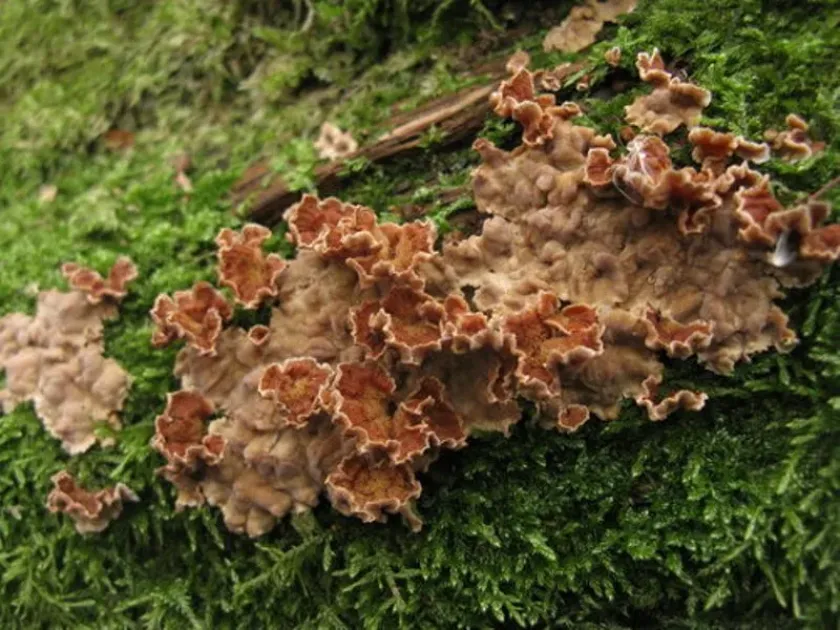
The fruiting bodies of Stereum rugosum are perennial and persistent. They form leathery, crust-like layers on the bark of infected branches or trunks, characterized by a wrinkled, smooth to velvety surface that ranges in color from creamy-white to brownish.
The fungus spreads via basidiospores released from the fruiting bodies, typically during moist periods in autumn. Wind and rain splash facilitate the dispersal of these spores to new hosts, specifically targeting wounds in the bark.
The biological success of the fungus depends on high humidity and the presence of oxygen. It thrives in decaying wood that retains moisture, allowing the mycelium to expand deep into the wood tissues while protected by the bark.
Conditions for development
Stereum rugosum thrives in cool, humid environments with moderate temperatures, typically ranging from 15°C to 25°C. These conditions are optimal for the germination of spores and the development of the fungal mycelium.
The primary entry points for the infection include any mechanical injury to the bark. Improper pruning cuts that are not sealed, frost cracks, sunscald, and injuries from wildlife or lawn maintenance equipment provide clear paths for the fungus to enter the wood.
Overcrowded orchards with poor air circulation create stagnant, humid microclimates. These conditions prevent bark from drying properly, making it much easier for the spores of the fungus to successfully colonize the surface.
The presence of dead wood or logging debris in the vicinity acts as a major reservoir for the fungus. Spores from these dead tissues are easily carried by wind to nearby healthy trees, facilitating the spread of the disease.
Prolonged wet weather, including foggy mornings and heavy autumn rains, provides the necessary moisture for the spores to remain viable long enough to infect the tree's vascular system through surface fissures.
Why it matters
The main danger posed by this fungus is the gradual death of the host tree. By destroying the wood structure, the fungus effectively compromises the tree’s plumbing system, preventing essential water and nutrient movement.
Infected trees pose a safety risk to the surrounding landscape. Because the fungus weakens the wood internally, trees may break or fall unexpectedly, potentially damaging property or injuring anyone nearby.
In fruit-bearing trees, the physiological stress caused by the fungus significantly reduces vigor. This leads to poor yields, smaller fruit size, and a general decline in the tree's health that makes it more susceptible to secondary pests.
The fungus is persistent and contagious to other susceptible trees in the area. Once established, it acts as a permanent infection source, and without intervention, it can lead to the decline of entire garden blocks within a few growing seasons.
Economic damage is twofold: the loss of productive trees and the labor-intensive costs associated with tree removal, wound treatment, and the necessary garden sanitation measures to stop the spread of spores.
Protection
Effective management begins with good tree hygiene. Pruning should be done with clean, sharp tools, and any cuts wider than 2-3 cm should be protected with a suitable wound sealant or fungicide-based paint to prevent spore access.
- Regularly prune away dead or infected branches.
- Disinfect tools between every tree to prevent cross-contamination.
- Clean out wounds on the trunk back to healthy tissue and treat with antiseptics.
- Protect the trunk from mechanical injuries during routine lawn care.
- Remove and destroy (burn) infected wood rather than keeping it in the garden or composting it.
If you identify an active site, surgically remove the fungal fruiting bodies and the surrounding decayed wood until sound tissue is reached. Apply a copper-based fungicide to the exposed area to inhibit further growth.
Maintaining tree vigor is the best defense. Ensure proper soil nutrition and adequate irrigation so that trees are strong enough to compartmentalize minor wounds naturally, preventing deeper infection.
Bio-control measures, such as the application of beneficial fungi like Trichoderma to pruning wounds, can provide a biological barrier that outcompetes Stereum rugosum and prevents the colonization of the exposed wood tissues.
Discussion
No discussions yet — be the first.