
Steccherinum ochraceum
Steccherinum ochraceum
Description
Symptoms
The presence of the fungus is signaled by the development of its basidiocarps, which typically grow in clusters on the surface of the bark.
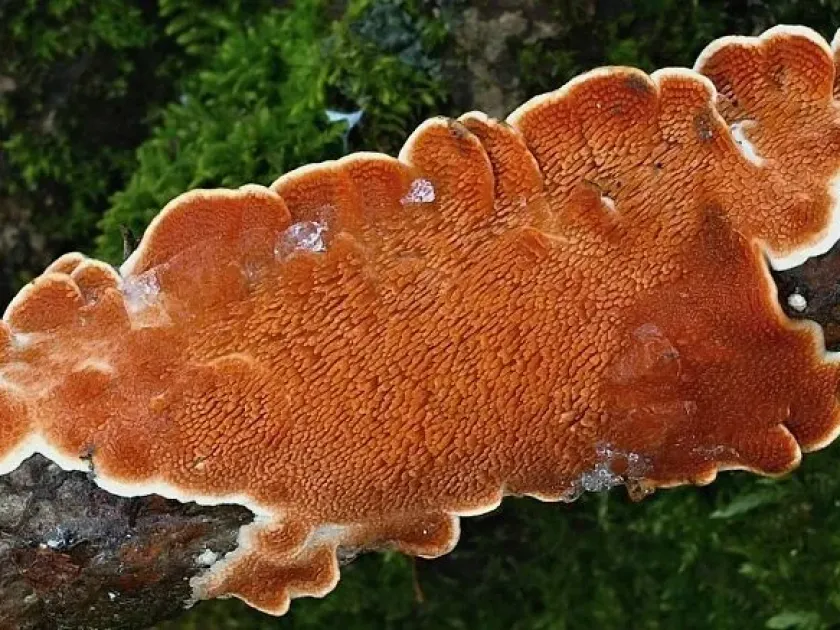
These fruiting bodies are ocher-colored, leathery, and often display a toothed hymenophore, which is the most reliable diagnostic feature.
Internally, the wood undergoes degradation, becoming soft, brittle, and light-colored as the fungus depletes the structural components of the tree.
Visible symptoms on the host include canopy decline, wilting of foliage, and localized dieback of branches where the infection is most concentrated.
In advanced stages, the structural weakness caused by the fungal decay becomes evident as trees or branches become prone to breakage under stress.
Pathogen
Steccherinum ochraceum is a species of crust fungus in the family Steccherinaceae, known for its role as a wood-decay pathogen in woody plants.
It acts primarily as a saprotroph, decomposing dead wood, but it can also parasitize stressed or weakened living trees in both forests and orchards.
The fungus secretes enzymes that break down the lignocellulose complex of the wood, resulting in a characteristic white rot appearance.
The pathogen propagates through airborne basidiospores that infect trees through wounds, pruning cuts, or bark cracks caused by environmental factors.
Its mycelium colonizes the inner tissues, slowly penetrating the wood structure and compromising the tree's physiological integrity over time.
Conditions for development
High relative humidity and moderate temperatures create an optimal environment for the germination of Steccherinum ochraceum spores.
The fungus thrives in shaded, poorly ventilated areas where moisture remains trapped on the surface of branches and trunks.
Trees that are compromised by drought, insect damage, or physical injury are significantly more susceptible to infection by this pathogen.
Overcrowded plantings increase the spread of fungal spores between neighboring trees, promoting the development of localized infection hotspots.
Neglected orchards with significant accumulation of woody debris and stumps provide a constant inoculum source for new infections.
Why it matters
This fungus causes internal decay that destroys the vascular system of the tree, significantly impairing the transport of water and nutrients.
As the wood loses its mechanical strength, trees become major hazards due to the increased risk of limb failure and windthrow events.
Fruit production is negatively affected as the tree redirects energy toward defense or suffers from reduced photosynthetic capacity due to canopy decline.
The presence of Steccherinum ochraceum reduces the lifespan of the host, leading to eventual plant death if the infection is left untreated.
Economic losses in nurseries and orchards can be severe due to the need for tree removal and the potential for the pathogen to spread to healthy stock.
Protection
Proactive management involves strictly maintaining tree vigor through appropriate fertilization, irrigation, and pest control measures.
Sanitation is critical: all dead, dying, or diseased branches must be removed and destroyed to minimize the spread of fungal spores.
Proper wound dressing is essential after pruning to seal exposed wood from colonization by pathogens like Steccherinum ochraceum.
Tools used for pruning must be disinfected between trees to prevent the mechanical transmission of fungal pathogens throughout the site.
Removing old stumps and fallen wood prevents the buildup of the fungus, effectively lowering the overall disease pressure in the environment.
Discussion
No discussions yet — be the first.