
Description
Symptoms
The primary symptom of the disease is the appearance of necrotic spots on the banana peel. Infection often initiates at the pedicel or the crown area of the fruit bunch.
These spots gradually enlarge and turn dark, eventually reaching an intense black color. A velvety, soot-like growth of the fungus often appears in the center of these lesions.
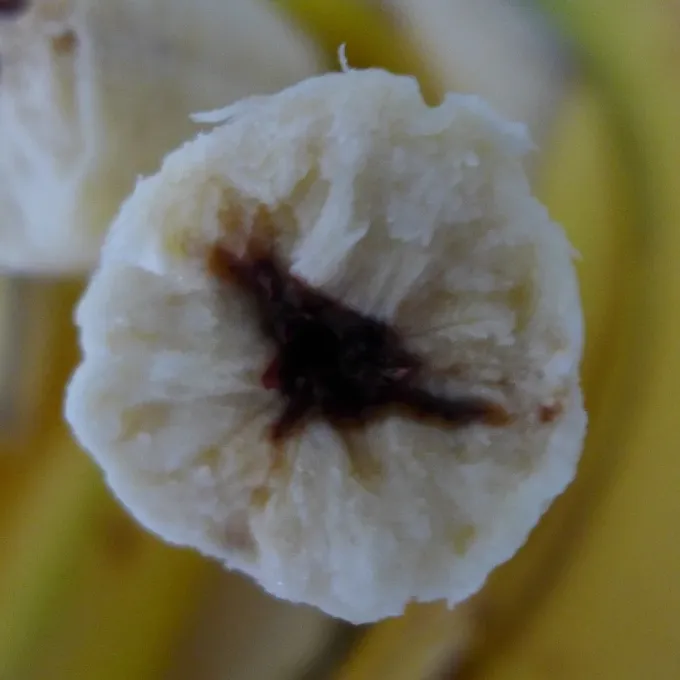
As the disease progresses, the rot penetrates deeper into the fruit pulp, causing softening and a change in color to a dark brown, leading to a complete loss of quality.
The disease is often latent, meaning that external symptoms might only become visible during storage or transit, making it a significant post-harvest problem for banana producers.
- Darkening of the peel near the fruit stalk.
- Black, velvety fungal growth on the surface.
- Softening and tissue collapse of the fruit.
- Unpleasant rotting odor in severe cases.
Pathogen
The causative agent of the disease is the fungus Nigrospora sphaerica, which belongs to the class of hyphomycetes. It is a widely distributed saprotroph that can become a facultative parasite under favorable conditions.
This pathogen affects a wide variety of tropical plants. It enters banana tissues through natural openings or mechanical injuries caused during harvest or routine plantation maintenance.
The mycelium of the fungus develops rapidly within intercellular spaces, secreting enzymes that degrade cell walls. This process leads to the destruction of the fruit tissue structure.
A distinctive feature of Nigrospora sphaerica is the production of massive, coal-black spore clusters. These spores are easily dispersed by wind, water droplets, and insects across the plantation.
The fungus can persist in plant debris and soil, making it a persistent source of infection for subsequent cultivation cycles if proper sanitation measures are not implemented.
Conditions for development
High humidity is the primary driver for the development of Nigrospora fruit rot. Tropical climates with frequent rainfall provide an ideal environment for spore germination.
The optimal temperature range for the growth of Nigrospora sphaerica is between +22°C and +28°C. Under these conditions, the infection spreads rapidly throughout the fruit clusters.
Poor agricultural practices, such as mechanical damage to the peel during harvesting, significantly increase the risk of infection. Wounds serve as entry points for the fungal spores.
Dense plantation layouts with poor air circulation create a microclimate that traps moisture, promoting the rapid transmission of the pathogen between adjacent banana trees.
Inadequate storage conditions, characterized by high temperatures and poor ventilation, significantly accelerate the decay process once the fruit has been packed for transport.
Why it matters
The main impact of Nigrospora fruit rot is the loss of commercial marketability. Affected fruits cannot be sold, resulting in substantial financial losses for banana growers and exporters.
The disease can cause premature ripening and fruit drop, which significantly reduces the total yield obtained from a banana plantation.
Contaminated fruit can lead to the spread of infection within shipping containers, ruining entire shipments and increasing logistics and insurance costs.
Producers are often forced to invest in extensive post-harvest sorting and chemical treatments, which increase the overall production costs per unit of banana fruit.
In severe infestation cases, the reduced shelf life of the fruit causes supply chain disruptions, impacting both local markets and international trade channels.
Protection
Effective management begins with rigorous plantation sanitation. Removing and destroying infected plant debris helps reduce the fungal spore load in the environment.
Minimizing mechanical damage during harvest is essential. Using protective padding and disinfecting harvesting tools can prevent the infection from entering healthy fruit.
Post-harvest application of registered fungicides (dipping or spraying) is a standard procedure to inhibit fungal growth during the storage and transport phases.
Maintaining optimal cold chain temperatures and proper ventilation during storage is crucial to slow down the metabolic activity of Nigrospora sphaerica.
Utilizing healthy, disease-free planting material and implementing effective crop rotation or spatial separation reduces the risk of long-term soil-borne infection.
Pathogens and affected parts
Affects crops · 1
Discussion
No discussions yet — be the first.