
Eucalyptus sphaerulinosis
Sphaerulina paulistana
Description
Symptoms
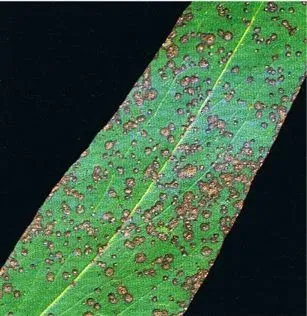
The primary symptom of the disease is the development of irregular or circular spots on the leaf blades. These spots initially appear as pale yellow areas, gradually turning brown as tissue dies.
A distinctive feature of this infection is the presence of a chlorotic halo surrounding the necrotic spots. As the infection intensifies, these spots coalesce, covering large parts of the leaf area.
Tiny black pinhead-sized spots, which are the fungal fruiting structures, become visible on the surface of the lesions. This is the most reliable sign for diagnosing the infection in the field.
Premature leaf drop is a common consequence of heavy infection. The canopy density decreases as the affected leaves yellow and fall off, negatively impacting the tree's overall vigor.
Damage usually begins in the lower, more shaded, and humid parts of the tree crown, eventually spreading upwards if favorable conditions for the fungus persist.
Pathogen
The causative agent of this disease is the fungus Sphaerulina paulistana, an ascomycete that specializes in infecting the foliage of various Eucalyptus species. It is a significant pathogen in forest pathology.
The fungus overwinters in infected leaf debris and leaf litter. During the wet season, the fungal spores are released and dispersed by rain splash and wind currents to healthy leaves.
It is classified as a leaf spot disease. The mycelium penetrates the leaf tissue, colonizing the parenchyma and disturbing the structural integrity of the plant cells, leading to chlorosis and necrosis.
The biological cycle of Sphaerulina paulistana is highly dependent on environmental humidity, which determines the timing of sporulation and infection cycles within a eucalyptus plantation.
Identification of the pathogen involves observing the small, dark fruiting bodies known as pseudothecia, which develop within the necrotic lesions on the surface of the leaves.
Conditions for development
High relative humidity and frequent rainfall are the most critical factors for the development of Sphaerulina paulistana. The fungus thrives in warm and wet environments.
Optimal temperatures for the growth and spread of the pathogen typically fall within the mild ranges found in sub-tropical and tropical climates where eucalyptus is cultivated.
Poor plantation management, specifically overcrowding and lack of pruning, exacerbates the disease. Dense canopies prevent airflow, ensuring that leaves remain wet for extended periods.
Stressed trees, whether due to nutrient deficiency or poor soil drainage, are significantly more susceptible to outbreaks of sphaerulinosis compared to healthy, well-nourished specimens.
In nursery settings, over-irrigation using overhead sprinklers creates a conducive environment for spores to germinate, often leading to rapid outbreaks among seedlings.
Why it matters
The major impact of the disease is the reduction of the photosynthetic surface area. By causing extensive leaf spots and subsequent defoliation, the tree's ability to produce energy is severely compromised.
In timber plantations, reduced photosynthesis leads to significantly lower biomass production and slower annual growth rings, resulting in economic losses for the forestry industry.
Continuous infection weakens the tree, making it vulnerable to opportunistic secondary invaders, including wood-boring insects and other fungal pathogens that target debilitated hosts.
For ornamental eucalyptus, the disease is a major aesthetic problem. The loss of foliage and the presence of unsightly spots decrease the landscape value of the trees significantly.
If left untreated, severe infections in young stands can cause growth stunting and, in extreme cases, the mortality of sensitive eucalyptus genotypes.
Protection
Integrated disease management is essential. Sanitation, which involves the collection and disposal of fallen leaf litter, is the first step to reducing the primary inoculum source.
Proper spacing during plantation establishment is vital. This ensures adequate air circulation within the canopy, which allows the leaves to dry quickly after rain, inhibiting fungal germination.
Chemical control via fungicides is recommended in nurseries or high-value plantations. Copper-based compounds and systemic fungicides can be applied to protect young foliage during peak infection periods.
Genetic improvement programs focusing on selecting resistant eucalyptus clones are the most sustainable long-term strategy for managing the impact of Sphaerulina paulistana.
- Remove and destroy infected leaf litter to reduce spore count.
- Use proper thinning techniques to increase canopy ventilation.
- Apply fungicides preventively when weather conditions favor the disease.
- Monitor tree stands regularly for early symptoms during wet weather.
Discussion
No discussions yet — be the first.