
Sphaerobolus stellatus
Sphaerobolus stellatus
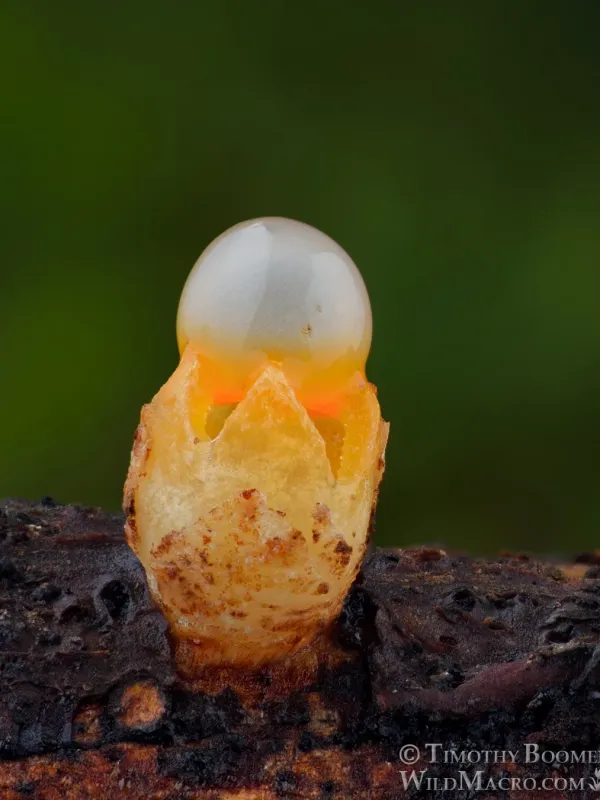
Description
Symptoms
The most distinctive sign of Sphaerobolus stellatus is the appearance of tiny, dark-brown or orange, sticky spots on leaves, stems, fruits, and even non-organic surfaces like walls or glass.
Upon closer inspection of the mulch, one can observe small, crater-like structures or white-to-yellow mycelial threads. These are the remnants of the fruit bodies after the spore mass has been ejected.
The spots left by the fungus are extremely adhesive due to the presence of a natural biological glue, making them difficult to remove without cleaning agents or mechanical scraping.
In humid conditions, a musty odor may be detected near the mulched areas where the fungus is actively developing its vegetative mycelium.
Over time, the affected areas of the mulch may appear darker and matted, indicating the decomposition process caused by the fungal hyphae.
Pathogen
Sphaerobolus stellatus, commonly known as the artillery fungus or shotgun fungus, is a saprotrophic fungus belonging to the Geastraceae family. It is famous for its unique biological mechanism of discharging spores.
The fungus is not a true plant parasite; instead, it acts as a decomposer, breaking down lignocellulose-rich organic matter. It thrives on decaying wood, bark mulch, and similar organic substrates found in gardens.
The fungus develops small, round fruit bodies. Inside these, it builds up high hydrostatic pressure, which eventually causes the spore mass (gleba) to be ejected at a significant velocity and distance.
It is primarily introduced into landscapes via contaminated mulching materials. Wood chips or bark stored in moist conditions are the most common vectors for the spread of this organism.
Because it is a natural decomposer, its presence is a sign of high organic activity, though its explosive method of spore dispersal makes it a nuisance in horticultural settings.
Conditions for development
The growth and spore dispersal of Sphaerobolus stellatus are highly dependent on moisture levels. High humidity, such as that provided by morning dew or excessive watering, is ideal for its development.
The fungus prefers temperatures between 15°C and 25°C (59°F to 77°F). It is most active during temperate seasons, specifically spring and late summer when conditions are mild and moist.
Shady areas with poor air circulation provide the perfect microclimate for the fungus to thrive. Lack of sunlight keeps the mulch layer consistently damp, preventing evaporation.
The use of fresh, non-composted hardwood or coniferous bark mulch provides a constant source of nutrients, which can accelerate the colonization and proliferation of the fungus.
Poor soil drainage and stagnant water accumulation under shrubbery further exacerbate the likelihood of a major infestation.
Why it matters
The main harm caused by Sphaerobolus stellatus is cosmetic. The sticky spots ruin the appearance of ornamental plants, flowers, and foliage, which is particularly detrimental in professional landscaping.
Agricultural crops may suffer if grown near infested mulch, as the sticky spores can adhere to the skin of fruits and vegetables, potentially lowering their market value.
The fungus can cause damage to painted surfaces, siding, and even vehicles if they are located near the source of the infestation, as the sticky residue is difficult to clean.
While it does not directly kill the plants, it can outcompete other beneficial organisms in the mulch, potentially impacting the overall soil health and microbial balance.
Persistent presence of the fungus necessitates labor-intensive cleaning and potential replacement of mulching materials, which increases maintenance costs for property owners.
Protection
To control the artillery fungus, start by choosing high-quality, heat-treated or composted mulch, which is less likely to harbor the spores compared to fresh wood waste.
Regularly raking or fluffing the mulch layer promotes better airflow and evaporation, making the environment less hospitable for the fungus to establish its fruit bodies.
In cases of severe infestation, replacing organic mulch with inorganic materials like stone, gravel, or river rock is the most effective long-term management strategy.
Adjusting irrigation systems to minimize water splash and maintaining adequate spacing between plants will help keep the mulch drier and reduce spore spread.
- Removal and disposal of heavily infested mulch layers.
- Ensuring proper composting of garden debris at high temperatures.
- Application of specialized fungicides if mandated by a professional plant pathologist.
Discussion
No discussions yet — be the first.