
Sorosporium
Sorosporium
Description
Symptoms
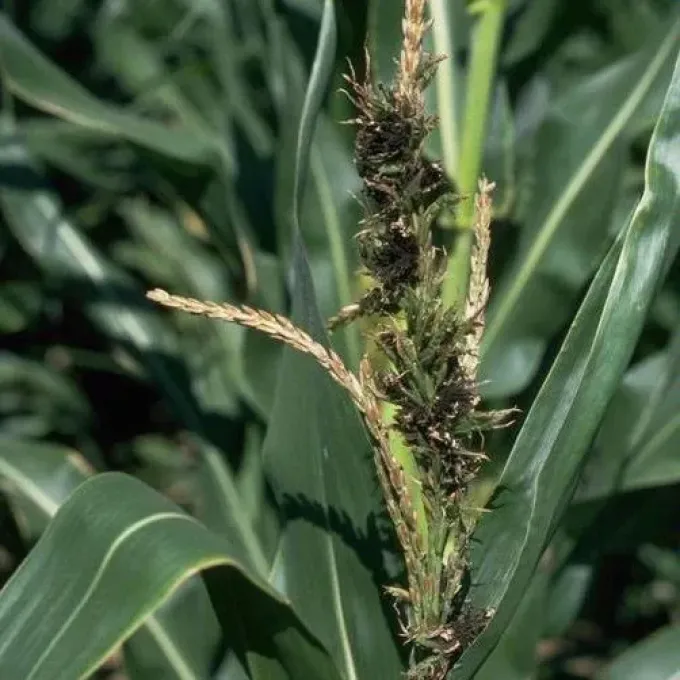
The most distinctive symptom of infection is the transformation of the host's floral parts, such as the panicle or ear, into a dense, dark mass of spores.
Initially, this mass is contained within a thin, membrane-like structure derived from host tissues. As the spores mature, this membrane ruptures, releasing a powdery cloud of black spores.
Infected plants may exhibit stunted growth, chlorosis, or general signs of physiological stress compared to healthy, vigorous plants in the same field.
Because the disease is often systemic, infected plants may look normal until the onset of the reproductive stage, making early detection quite difficult without lab testing.
The appearance of smut sori is a clear indicator that the plant is fully colonized and the pathogen has reached its peak phase of sporulation.
Pathogen
Sorosporium is a genus of fungi belonging to the Ustilaginaceae family, responsible for causing various types of smut diseases in plants. These fungi are obligate parasites that specifically target the reproductive structures of their hosts.
The pathogen primarily survives as teliospores in the soil or on the surface of seeds. When environmental conditions are favorable, these spores germinate and infect the host plant, usually during the seedling stage.
Once inside the plant, the fungus grows systemically through the vascular tissues. It utilizes the plant's resources to fuel its vegetative growth until the host begins to develop its inflorescence.
The fungus replaces the reproductive organs of the host with its own spore masses. This transition is highly efficient and effectively redirects the plant's energy toward fungal propagation.
These pathogens are specialized in their host range, meaning specific species of Sorosporium are typically adapted to infect specific crop families or genus groups.
Conditions for development
The development of Sorosporium infections is heavily influenced by soil moisture and temperature during the germination phase of the host seeds.
Cool, damp weather often delays the emergence of seedlings, providing a wider window of opportunity for the fungal hyphae to penetrate the growing point of the plant.
High humidity and wind are critical factors during the flowering period, as they facilitate the spread of released spores to nearby healthy plants or onto the developing grain.
Poor agricultural practices, such as planting in cold soil or using infected seed lots without treatment, are the primary drivers of disease outbreaks in commercial fields.
Long-term survival of the fungus in soil is facilitated by the resilience of teliospores, which can remain dormant and viable for several seasons if not interrupted by rotation.
Why it matters
The primary damage caused by Sorosporium is the direct loss of yield, as infected plants fail to produce viable grain or seeds due to the replacement of these parts by fungus.
Beyond the quantitative loss, the presence of smut spores reduces the market quality of the harvest, rendering the grain unsuitable for flour production or other food uses.
Contaminated crops can pose health risks to livestock if used as feed, as some fungal species may produce metabolic byproducts that are toxic to animals.
Economic losses are exacerbated by the need to discard heavily infected harvests and the increased costs associated with cleaning equipment and storage facilities.
If left unmanaged, the pathogen population can increase annually, making fields progressively less suitable for the cultivation of susceptible host crops.
Protection
The most effective strategy for managing Sorosporium is the use of high-quality, certified seeds combined with professional fungicide seed treatment.
Crop rotation is an essential preventive measure, as it limits the accumulation of persistent spores in the soil by alternating with non-host plant species.
Deep plowing can help reduce the primary inoculum load by burying infected crop residue deep enough to inhibit the germination and survival of the teliospores.
Optimizing planting times to ensure rapid and vigorous germination of the crop helps the plant outgrow the period of high susceptibility to infection.
- Select resistant or tolerant crop varieties.
- Ensure thorough cleaning of harvesting equipment.
- Implement integrated pest management (IPM) to monitor disease spread.
Discussion
No discussions yet — be the first.