
Sordariomycetes
Sordariomycetidae
Description
Symptoms
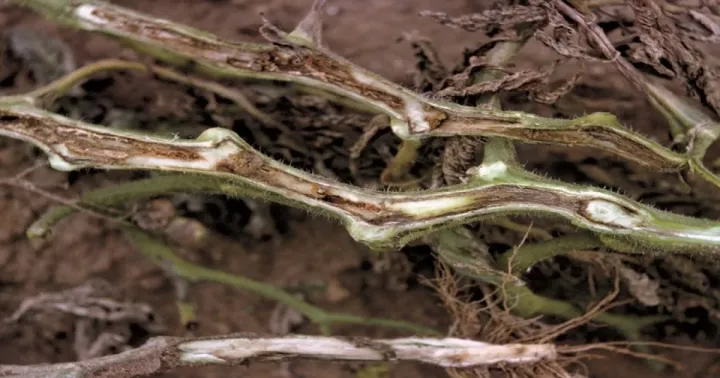
Symptoms of Sordariomycetes infection vary by pathogen and host crop, yet a general sign is overall plant decline. Common symptoms include yellowing and premature wilting of leaves, caused by the obstruction of vascular systems.
Dark spots, cankers, or characteristic coatings consisting of mycelium and spores may appear on stems, root crowns, or fruit. In many cases, infection causes rotting of the root system or the basal part of the stem.
In cereals, characteristic manifestations include "white heads" or stem brittleness, indicating systemic infection. In trees, bark necrosis often develops, accompanied by branch dieback and deep cracking.
Seed infection leads to reduced germination rates, with seedlings often dying before emergence. Mature plants with severe infections show stunted growth and may face premature death.
- Yellowing and curling of leaves
- Development of root and crown rots
- Appearance of necrotic spots with fungal growth
- Disruption of water transport leading to wilting
- Deformation and death of reproductive organs
Pathogen
Sordariomycetes is one of the largest classes of Ascomycota fungi. Within an agronomic context, this taxon includes numerous dangerous plant pathogens that cause severe diseases in agricultural crops.
The pathogens are microscopic fungi characterized by a sexual stage in the form of perithecia — specialized fruiting bodies where spores develop. Many species also possess a conidial stage, ensuring rapid infection spread during the growing season.
The most well-known representatives affecting plants belong to the genera Fusarium, Magnaporthe, Gaeumannomyces, and Cryphonectria. These fungi parasitize various plant parts, ranging from root systems to fruit and woody tissues.
The biology of these pathogens is defined by their ability to exist as saprotrophs in soil and plant debris, as well as active parasites. This dual strategy makes them highly resilient to adverse environmental factors.
The fungal mycelium penetrates host tissues, degrading cell walls through enzymatic systems, which disrupts metabolism and eventually leads to the death of the affected plant organs.
Conditions for development
Most Sordariomycetes thrive in conditions of high humidity and moderate temperatures. Excessive moisture creates an ideal environment for spore germination and mycelial penetration into plant tissues.
Temperature plays a crucial role in infection progression. While many species prefer a range between +18°C and +25°C, certain pathogens remain active under cooler conditions.
Agronomic factors, such as high planting density, crop rotation failure, and unbalanced nitrogen fertilization, significantly increase the risk of widespread outbreaks.
The accumulation of inoculum is facilitated by the presence of crop residues in the soil, where fungi can persist for several years. Spores can also be disseminated by wind, rain splashes, and insect vectors.
Compromised plant immunity due to stress — such as frost, drought, or mechanical damage — makes crops highly susceptible to invasion by Sordariomycetes pathogens.
Why it matters
The damage caused by Sordariomycetes results in sharp yield declines and reduced produce quality. In cereals, it leads to shriveled grain, which lowers market value and nutritional content.
Systemic infection of the vascular system blocks nutrient transport, inevitably leading to significant crop loss. In horticulture, these pathogens cause fruit rot, rendering products unsuitable for storage and transportation.
Mycotoxins produced by many fungi in this class can make infected grain dangerous for humans and livestock consumption. This imposes strict regulations on crop utilization, often necessitating disposal.
Economic damage includes not only direct harvest losses but also the costs associated with fungicide applications and storage facility decontamination.
In perennial plantations, wood infection leads to long-term productivity decline and, in severe cases, the complete death of the orchard or timber stand.
Protection
The primary protection strategy involves using resistant cultivars and hybrids capable of withstanding pathogen invasion. Genetic breeding remains the most effective and eco-friendly control method.
Adherence to crop rotation rules helps significantly reduce the pathogen load in the soil. Rotating crops with varying susceptibility prevents pathogens from reaching critical levels.
Seed treatment with specialized systemic fungicides is a critical step to protect seedlings during their most vulnerable developmental stage.
During the growing season, if initial symptoms occur, systemic fungicide spraying is applied. The choice of chemical depends on the specific pathogen species and the biology of the crop being grown.
Sanitation practices, such as timely removal and destruction of crop residues, deep plowing, and rogueing infected plants, are essential for containing disease spread.
Discussion
No discussions yet — be the first.