
Seuratia coffeicola
Seuratia coffeicola
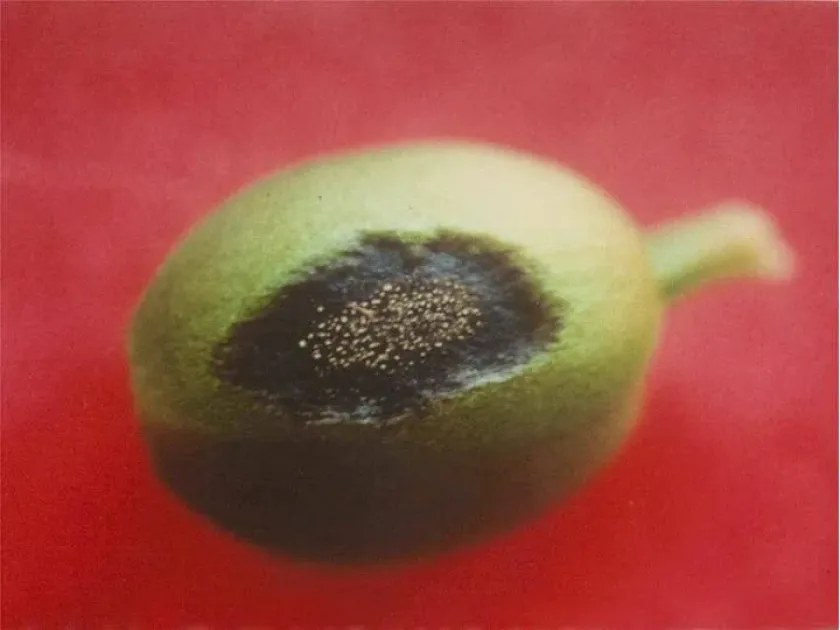
Description
Symptoms
The primary symptom is the appearance of a dark, soot-like film on the upper surface of the leaves, giving them a dirty, blackened appearance.
When inspected closely, this soot can often be wiped off, revealing a relatively intact leaf surface underneath, confirming it is an epiphytic growth.
In cases of severe infestation, leaves may turn yellow, lose their turgor, and drop prematurely, leading to canopy thinning.
The infection usually starts in patches where insect colonies are most dense, often observed on the underside of leaves or along the stems.
The presence of honeydew-producing insects such as scales or mealybugs is a hallmark sign accompanying the development of this fungal disease.
Pathogen
The disease is caused by the fungus Seuratia coffeicola, which belongs to a group of saprotrophic fungi that typically thrive on the secretions of various insects.
The biology of this pathogen involves the development of a dark, sooty mycelium on the surface of the leaves, which forms a dense, non-invasive film.
Although it is not an aggressive parasite, it effectively colonizes the plant surface, significantly obstructing physiological processes like gas exchange.
Spore dissemination occurs via wind, water splashes during rainfall, and through the movement of sap-sucking insects that frequent the coffee canopy.
The life cycle of the fungus is strictly dependent on the presence of honeydew secreted by pests, which provides the necessary sugars for the fungal growth.
Conditions for development
High relative humidity is the most critical environmental factor that triggers the rapid spread and growth of the fungal mycelium.
The availability of honeydew is an essential prerequisite; without the presence of sap-sucking insects, the fungus cannot establish itself effectively.
Temperatures ranging from 20°C to 28°C provide the optimal metabolic environment for the fast colonization of the plant's surface.
Poor ventilation within the coffee canopy, often caused by high planting density, creates microclimates with stagnant, humid air favorable for the fungus.
Lack of direct sunlight penetrating the crown of the coffee tree further encourages the persistence and expansion of the fungal colonies.
Why it matters
The main damage is caused by the suppression of photosynthesis, as the black layer blocks the necessary light from reaching the chlorophyll cells.
Plants affected by the disease suffer from reduced carbohydrate production, leading to stunted shoot growth and reduced overall vigor.
Long-term infestation significantly impairs the plant's ability to produce high-quality beans, as the tree lacks the energy for proper maturation.
Severe cases result in extensive defoliation, which places the tree under extreme stress and makes it susceptible to opportunistic secondary infections.
Decreased leaf area leads to a reduction in fruit yield, causing economic losses for coffee plantations depending on the severity of the outbreak.
Protection
Management focuses primarily on controlling the populations of sap-sucking insects, which eliminate the source of the honeydew the fungus feeds on.
Pruning techniques aimed at improving air circulation and light penetration are essential to reduce the humidity and favor the drying of the leaf surface.
Systemic insecticides are recommended to eradicate the insect vectors, thereby preventing the continuous production of the sugary substrate.
Copper-based fungicides or other contact agents can be used to wash off the sooty mold and sanitize the affected foliage.
- Regular monitoring of insect populations.
- Pruning for improved canopy ventilation.
- Balanced fertilization to boost the plant's inherent resistance.
Discussion
No discussions yet — be the first.