
Serendipita indica
Serendipita indica
Description
Pathogen
Serendipita indica (formerly known as Piriformospora indica) is a unique endophytic fungus belonging to the Sebacinales order. Unlike typical pathogens, this microorganism exhibits strong mutualistic properties.
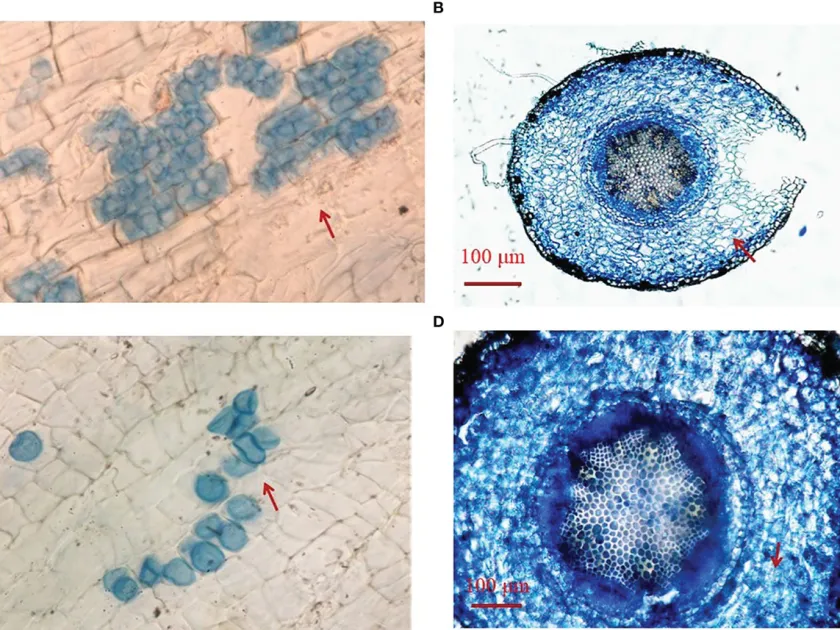
This fungus colonizes the root system of a wide range of higher plants, forming symbiotic associations that resemble arbuscular mycorrhiza. It is capable of developing both in the soil and within root tissues without causing harm to the host.
The biological activity of the fungus involves the synthesis of phytohormones, such as auxins and gibberellins, which stimulate plant development. Consequently, it is viewed not as a plant disease agent, but as a potent biostimulant.
The mycelium of the fungus actively penetrates root cells, ensuring efficient nutrient exchange between the soil and the plant. Research confirms that it can survive in various soil types, making it a promising subject for agrobiotechnology.
Genetic analysis confirms the high diversity of strains of this fungus, opening up possibilities for the selective use of the most effective isolates in industrial agriculture.
Conditions for development
Optimal conditions for colonization include the presence of active root exudates from the host plant, which attract fungal spores. Symbiosis proceeds most intensely under conditions of moderate soil moisture.
The fungus exhibits high plasticity and is capable of adapting to various levels of substrate acidity, allowing it to be used in a wide range of soil and climatic zones.
The presence of moderate amounts of phosphorus and nitrogen in the soil promotes the establishment of stronger symbiotic bonds between the root and the endophyte.
The temperature range of 20–30 degrees Celsius is the most favorable for active mycelial growth and root colonization.
Bio-preparations based on this fungus require specific storage conditions to ensure the viability of chlamydospores until the moment of soil application.
Why it matters
It is crucial to emphasize that Serendipita indica is not a disease. On the contrary, the scientific community classifies this microorganism as a beneficial endophytic fungus that promotes crop health.
The term "disease" in the context of this object is inaccurate, as the fungus does not cause necrosis, chlorosis, or the death of plant tissues. Instead, it protects the host from various phytopathogens.
When used in agricultural technology, there is no harmful effect; the host plant receives only benefits such as accelerated development and improved mineral nutrient uptake.
Misinterpreting the role of this microorganism can lead to erroneous attempts to eradicate it using fungicides, which would deprive farmers of a natural growth stimulant.
The only exceptions are specific experimental conditions where, at extremely high inoculum concentrations in nutrient-poor media, a temporary imbalance might occur, but this is not considered a classical pathology.
Protection
Measures of "protection" against this object are not required because it is a beneficial agent. In agronomic practice, the goal is not to fight it, but to ensure its correct application.
The main method of "control" is seed inoculation or applying mycelium to the root zone during seedling transplanting to boost crop immunity.
The application of broad-spectrum chemical fungicides can inhibit the development of Serendipita indica, so it is important to maintain intervals between pesticide treatments.
An integrated farming system is recommended, where the use of fungal-based bio-preparations is combined with organic fertilizers to maximize the effect.
Prevention of the "loss" of this useful symbiont involves maintaining soil biological activity and reducing the intensity of chemical field treatments.
Discussion
No discussions yet — be the first.