
Septoria leaf spot of poplar
Septotinia populiperda
Description
Symptoms
Initial symptoms appear on leaves as small dark brown or black spots, which rapidly increase in size. These lesions often have irregular, diffuse margins and are frequently surrounded by a yellow halo.
Small, greyish-white fruiting bodies (cushions) of the fungus appear on the undersides of the necrotic spots. This is a primary diagnostic feature used for identification during field assessments.
Under heavy infection pressure, leaf petioles and young shoots are also affected. Necrosis on shoots can cause dieback, curling, and abnormal growth, significantly damaging the structural integrity of the branch.
In humid conditions, infected leaves turn brown, shrivel, and drop prematurely. Severe infections can lead to total defoliation by mid-summer, severely stressing the tree and reducing its photosynthetic capability.
Microscopic analysis in a laboratory setting is required for accurate confirmation. Experts identify the pathogen by examining its specific conidia morphology, distinguishing it from other leaf spot fungi affecting poplar species.
Pathogen
The disease is caused by the fungus Septotinia populiperda, a member of the Ascomycota phylum. Throughout the growing season, the pathogen produces conidia, ensuring rapid spread of the infection across the plantation.
The fungus overwinters primarily in fallen, infected leaves where it forms apothecia in the spring. These structures release ascospores that are wind-dispersed, leading to the primary infection of young leaves and shoots.
Infection occurs through natural openings like stomata or through mechanical wounds on the bark and leaves. The pathogen can survive for long periods in plant debris, creating a high level of inoculum for subsequent years.
The biology of Septotinia populiperda is tightly linked to the phenology of poplars, with peak infection occurring during periods of rapid shoot growth. The fungal mycelium penetrates the leaf parenchyma, triggering necrotic tissue decay.
This pathogen affects various species of poplar (Populus), including many hybrid varieties. Young trees and nursery stock are particularly susceptible, especially in high-density plantings where air circulation is limited.
Conditions for development
The disease thrives in cool, wet weather during the spring and early summer. Frequent rain and leaf wetness are essential for spore germination and the successful penetration of the fungus into the plant tissue.
Dense poplar stands with poor air circulation are highly prone to outbreaks. The humid microclimate within such plantations allows the fungus to remain active and spread rapidly from tree to tree.
Trees weakened by environmental stress, such as drought, nutrient deficiency, or prior damage by pests, are significantly more vulnerable. A robust tree's immune response is vital in resisting the fungal invasion.
The optimal temperature range for mycelial growth and sporulation is between +15 and +22 degrees Celsius. While the fungus may persist outside this range, these conditions are ideal for massive disease development.
Accumulation of leaf litter under trees is the primary factor maintaining the disease cycle. Without proper sanitation of the area, the inoculum remains present to trigger new infections the following spring.
Why it matters
The primary impact of the disease is premature defoliation, which severely limits the tree's ability to photosynthesize. This depletes energy reserves and leads to a marked reduction in overall annual wood growth.
Necrosis of shoots causes dieback, which distorts the crown's shape and degrades the tree's aesthetic value. In nursery environments, this can lead to the total loss of valuable planting stock.
Persistent infections weaken poplar trees, making them highly susceptible to secondary pathogens and infestation by stem-boring insects. These weakened trees eventually lose their tolerance to adverse environmental conditions.
Economic damage includes reduced timber yield and increased operational costs for disease management. In urban areas, the ecological and aesthetic functions of the trees are significantly compromised.
Widespread outbreaks reduce the effectiveness of poplar shelterbelts in providing wind protection and air filtration. Proactive monitoring and systematic management are required to protect these valuable green assets.
Protection
The most important preventive measure is the thorough removal and destruction of fallen leaves in autumn. This reduces the primary inoculum source, as the fungus relies on these leaves to survive the winter.
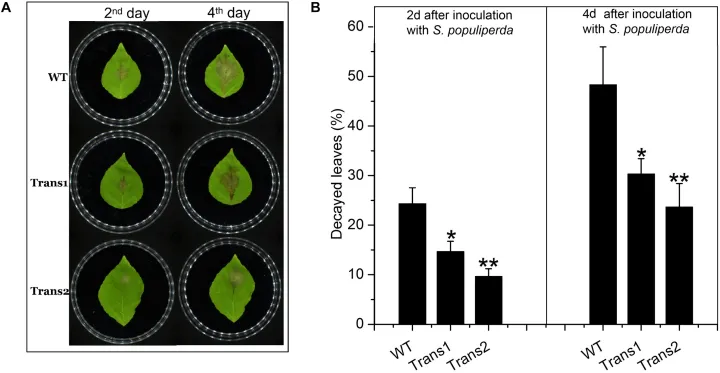
When establishing new plantations, selecting poplar cultivars and clones with known resistance to Septotinia populiperda is the most sustainable long-term strategy for managing the disease.
In nurseries and young plantations, the application of fungicides during the active growth phase is effective. Copper-based compounds or systemic fungicides can be used according to regulatory guidelines for forestry.
Sanitary pruning of affected branches helps improve tree health. It is essential to perform pruning during dry weather and sanitize tools between cuts to prevent spreading spores to healthy plant tissue.
Good agricultural practices, such as proper irrigation during droughts and balanced fertilization, strengthen the tree's general vigor. A healthy, well-nourished tree is significantly more capable of resisting infection.
Discussion
No discussions yet — be the first.