
Septoria needle blight of eastern white pine
Septorioides strobi
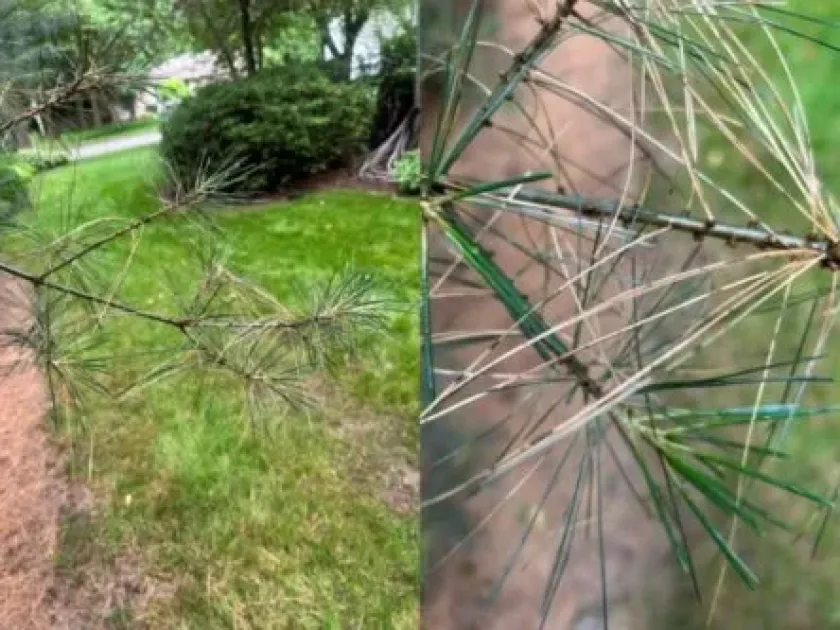
Description
Symptoms
The first noticeable sign of infection is the development of small, light-colored or yellowish spots on the needles. As the infection progresses, these spots expand and turn brown or grayish.
Small black fruiting bodies, known as pycnidia, appear within the necrotic areas of the needles. These are key diagnostic features that allow arborists to confirm the presence of the fungus.
Severe infestations lead to chlorosis and premature needle drop. This is particularly evident in the lower portions of the canopy, giving the tree a thinning, sparse appearance over time.
In addition to discoloration, infected trees may show signs of reduced growth, distorted shoots, and general lack of vigor. The foliage may appear wilted or dry, depending on the severity of the outbreak.
- Light-colored needle spotting
- Visible black pycnidia
- Premature needle shedding
- Reduced annual growth
Pathogen
The causative agent of this disease is the fungus Septorioides strobi, which belongs to the class of imperfect fungi. It is a specialized pathogen that primarily targets the needles of the eastern white pine (Pinus strobus).
The life cycle of the pathogen is heavily reliant on moisture levels. The fungus produces pycnidia, which serve as overwintering structures on fallen needles, allowing the pathogen to persist in the environment from one season to the next.
Infection spreads mainly through rain splashes, wind, and insect vectors that carry spores to healthy foliage. Once the spores land on susceptible needles, they germinate and penetrate the internal plant tissues.
The fungus is highly adaptive to temperate climates, taking advantage of cool, wet springs. Its development is often characterized by a latent phase, where the fungus colonizes the needle tissues before visible symptoms appear.
By disrupting the internal physiology of the needles, Septorioides strobi limits the tree's ability to produce energy. This gradual physiological decline is the primary hallmark of the disease's biological impact.
Conditions for development
High humidity and persistent rainfall are the primary drivers of disease progression. Spore germination is most active when temperatures range between 18 and 25 degrees Celsius, typical of spring and early summer.
Poor site conditions, such as overcrowding of pine trees, prevent adequate airflow through the canopy. This traps moisture on the needle surface, providing an ideal microenvironment for fungal colonization.
Debris management is crucial, as the fungus survives in fallen needles on the forest floor. Accumulation of this leaf litter provides a reservoir for infection that can reinfect the canopy every year.
Low light levels in shaded or dense understory areas often exacerbate the spread of the disease. Trees already stressed by improper soil moisture or nutrient deficiencies are significantly more susceptible.
Environmental conditions during the spring flush are critical, as young, developing needles are highly vulnerable to infection by windborne spores released from nearby overwintering sites.
Why it matters
The main threat posed by this disease is the overall weakening of the host tree. Chronic loss of needles significantly reduces the tree's photosynthetic capacity, leading to long-term resource depletion.
Weakened trees become significantly more susceptible to secondary invaders, including bark beetles and other wood-boring insects. These secondary attacks are often what ultimately kill the infested tree.
In nursery settings, the blight represents a significant economic burden. Infected seedlings lose their ornamental value and may be rendered unsalable due to disfigurement and health concerns.
Ongoing infection cycles stress the tree, resulting in stunted shoots and a lack of proper vigor. This reduces the aesthetic value and ecological function of the eastern white pine in both landscapes and forests.
Failure to manage the disease can lead to widespread canopy thinning and, in extreme cases, total tree mortality. Proactive management is necessary to maintain forest health and prevent large-scale spread.
Protection
Cultural control remains the best line of defense. Ensuring proper spacing between trees helps improve airflow, which prevents the moisture buildup necessary for fungal development.
Sanitation practices, such as the removal and proper disposal of fallen needles, are essential. By eliminating the source of primary inoculum, you can significantly reduce the potential for repeat infections.
Fungicidal applications, particularly those containing copper or systemic active ingredients, can be used to manage acute outbreaks. Timely application during the growing season is critical for efficacy.
Improving general tree health through balanced fertilization and proper irrigation helps the tree build natural resistance to the pathogen. Healthy pines are much better equipped to tolerate fungal stress.
When planting, select sites with good drainage and exposure to sunlight. Using disease-resistant stock is the most sustainable approach to preventing the establishment of the pathogen in a new area.
Discussion
No discussions yet — be the first.